

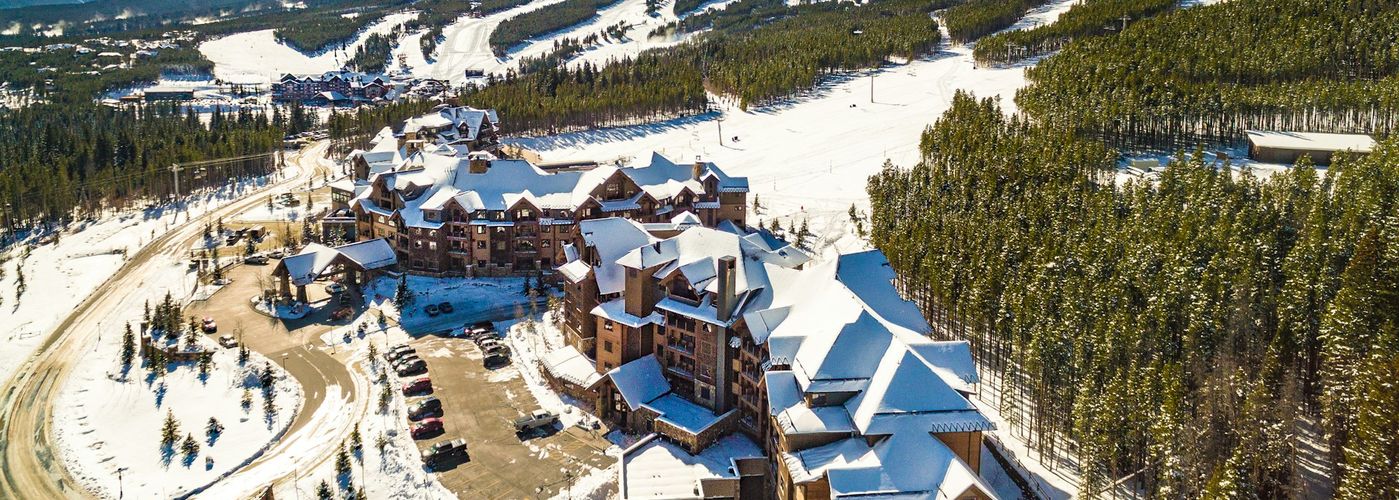
STR Investing in Breckenridge, CO
The short-term rental (STR) market in Breckenridge, Colorado presents a compelling, institutional-grade investment opportunity characterized by robust…
Avg. Nightly Rate
$621
Avg. Occupancy
52%
Avg. Property Price
$900,000
Source: AirDNA & public market data, 2025
In This Guide
About the Breckenridge, CO Market
Executive Summary
The short-term rental (STR) market in Breckenridge, Colorado presents a compelling, institutional-grade investment opportunity characterized by robust demand, high barriers to entry, and significant revenue potential. As a premier, world-class ski destination nestled in the heart of Summit County, Breckenridge offers a unique confluence of factors that make it highly attractive to sophisticated real estate investors. The investment thesis for this market is anchored in its dual-season appeal, drawing massive crowds not only during the peak winter ski months but also throughout the vibrant summer season. This year-round demand profile mitigates the extreme seasonality often associated with mountain resort towns, providing a more stable and predictable income stream for property owners. The market's unique position is further solidified by its proximity to the Denver metropolitan area, creating a massive drive-to market that complements the substantial fly-in traffic from across the nation and the globe.
What truly sets Breckenridge apart from other mountain destinations is the sheer scale and consistency of its tourism engine. The local economy is overwhelmingly driven by tourism and outdoor recreation, which accounts for nearly half of all jobs in the county. This economic concentration, while presenting some long-term macroeconomic risks, ensures that local infrastructure, amenities, and municipal services are hyper-focused on enhancing the visitor experience. The presence of four major ski areas within a short drive—Breckenridge, Keystone, Copper Mountain, and Arapahoe Basin—creates an unparalleled density of winter sports infrastructure. Furthermore, the historic charm of Main Street Breckenridge, combined with extensive summer festival programming and outdoor activities like hiking and mountain biking, ensures that the town remains a vibrant destination long after the snow has melted. This continuous influx of visitors underpins the strong fundamental demand for high-quality short-term rental accommodations.
Key performance metrics for the Breckenridge STR market underscore its lucrative nature. According to recent AirDNA data, the market boasts an impressive average annual revenue of $86,496, with an Average Daily Rate (ADR) of $579.90. While the average occupancy rate sits at 52%, this figure blends the hyper-competitive peak seasons with the slower shoulder months. Well-managed properties, particularly those with premium amenities or ski-in/ski-out access, frequently achieve occupancy rates between 70% and 90% during the winter. The market's overall investability score of 60 and a revenue growth score of 77 highlight the strong financial performance available to investors who can successfully navigate the local landscape. The total active listings count of 3824 indicates a mature, liquid market with ample comparable data for underwriting and performance benchmarking.
This market is best suited for well-capitalized, sophisticated investors who are prepared to navigate a complex regulatory environment and manage high-value assets. The median home price in Breckenridge recently reached $1.4 million, necessitating significant upfront capital and a strong understanding of luxury real estate dynamics. Furthermore, the stringent and evolving regulatory landscape, characterized by zoning caps, non-transferable licenses, and robust enforcement mechanisms, requires investors to be diligent, compliant, and strategic in their property selection. Investors who succeed in Breckenridge are typically those who view their STR properties as active hospitality businesses rather than passive real estate holdings. They are willing to invest in premium property management, high-end furnishings, and targeted marketing to maximize their RevPAR and capitalize on the premium rates that this world-class destination commands.
Market Performance Data
The performance of the short-term rental market in Breckenridge is robust, reflecting its status as a top-tier vacation destination. The following table details the key performance indicators based on recent AirDNA data, providing a snapshot of the market's financial health and competitive landscape.
Annual Revenue
$86,496
+4.6% past year
Average Daily Rate (ADR)
$579.90
+12.7% past year
Occupancy Rate
52%
-7.1% past year
Active Listings
3824
+0.9% past year
Entire Place ADR
$583.22
Rate for whole-home rentals
Pro Managed ADR
$620.87
Rate for professionally managed units
Market Scores (out of 100)
Analyzing these numbers reveals a complex but highly profitable market dynamic. The average annual revenue of $86,496 is exceptionally strong compared to national averages, underscoring the premium nature of the Breckenridge market. This high revenue figure is primarily driven by the impressive Average Daily Rate (ADR) of $579.90, which has seen a significant 12.7% increase over the past year. This upward trajectory in ADR indicates that despite economic headwinds or increased supply, travelers are willing to pay a premium for the Breckenridge experience. The fact that professionally managed properties command an even higher ADR of $620.87 highlights the value of high-quality operations and guest services in this luxury market. Investors should note that these averages blend various property types; luxury homes and large cabins frequently achieve ADRs well over $1,000 during peak winter and summer weeks.
The RevPAR (Revenue Per Available Rental) story in Breckenridge is one of efficient capitalization during peak demand periods. While the overall occupancy rate of 52% might seem modest compared to urban markets, it is highly characteristic of a seasonal resort destination. The 7.1% decrease in occupancy over the past year suggests a slight softening in demand or an increase in supply, but this is offset by the strong growth in ADR, resulting in a net positive revenue growth (+4.6%). This dynamic means that owners are making more money per booked night, which can lead to lower wear and tear on the property while maintaining or increasing overall profitability. The key to maximizing RevPAR in Breckenridge is implementing dynamic pricing strategies that aggressively capture premium rates during the winter holidays, spring break, and peak summer weekends, while offering competitive rates to drive volume during the shoulder seasons of spring (mud season) and fall.
When compared to national averages, Breckenridge stands out as a high-barrier, high-reward market. The active listing count of 3824 shows a mature market with a slight 0.9% growth, indicating that despite strict regulations, the market remains active and liquid. The investability score of 60 and revenue growth score of 77 suggest that for those who can navigate the high entry costs and regulatory hurdles, the financial returns are highly attractive. However, the seasonality score of 45 serves as a reminder that cash flow management is critical; investors must be prepared to sustain operations during the slower months using the substantial revenues generated during the peak seasons. Overall, the data paints a picture of a resilient, premium market where strategic management and high-quality assets yield significant financial rewards.
Submarket & Neighborhood Analysis
Breckenridge and the surrounding Summit County area are composed of distinct submarkets, each offering unique characteristics, price points, and appeal to different segments of the traveler demographic. Understanding these nuances is critical for investors to align their property acquisition with their target guest profile and revenue goals.
Breckenridge Resort / Ski-In/Ski-Out
- Key Characteristics:
- Premium access, luxury amenities, high HOA fees
- Target Guest Profile:
- Affluent skiers, convenience-focused families
- Investment Appeal:
- Highest ADRs, strong winter occupancy, premium asset appreciation
Downtown Breckenridge (Main Street)
- Key Characteristics:
- Walkable to dining/shopping, historic charm, vibrant nightlife
- Target Guest Profile:
- Couples, groups, summer tourists, non-skiers
- Investment Appeal:
- Year-round demand, strong summer performance, high walkability premium
The Highlands / Revett
- Key Characteristics:
- Luxury single-family homes, expansive views, quieter setting
- Target Guest Profile:
- Large families, multi-generational groups, luxury retreats
- Investment Appeal:
- High gross revenue per booking, lower turnover, strong appreciation
Surrounding Summit County (Frisco, Silverthorne)
- Key Characteristics:
- More affordable entry points, access to multiple resorts, lake proximity
- Target Guest Profile:
- Value-conscious travelers, summer lake visitors, extended stays
- Investment Appeal:
- Lower barrier to entry, diverse seasonal appeal, potential for higher cap rates
The Breckenridge Resort and Ski-In/Ski-Out submarket represents the pinnacle of luxury and convenience in this market. Properties in this category, often high-end condominiums or luxury townhomes, command the highest Average Daily Rates, frequently exceeding $1,000 per night during peak winter weeks. The primary appeal is the unparalleled convenience of accessing the slopes directly from the property, a feature highly prized by affluent families and dedicated skiers. However, investors must carefully underwrite these properties, as they often come with substantial Homeowners Association (HOA) fees that cover the extensive amenities (pools, hot tubs, shuttle services) and exterior maintenance. While the gross revenues are exceptional, the net operating income can be compressed by these high carrying costs. The investment appeal lies in the strong, consistent winter demand and the long-term appreciation potential of these highly coveted, scarce assets.
Downtown Breckenridge, centered around the historic Main Street, offers a distinctly different investment profile. This submarket is characterized by its vibrant atmosphere, historic architecture, and immediate walkability to a plethora of restaurants, boutiques, and nightlife options. Properties here range from historic Victorian homes converted into STRs to modern condominiums situated above retail spaces. The appeal of downtown properties extends significantly beyond the ski season, capturing strong demand during the summer months when visitors flock to the area for festivals, dining, and a lively mountain town experience. This year-round appeal helps smooth out the revenue curve, making downtown properties highly attractive for investors seeking consistent cash flow. The walkability factor is a major selling point, often allowing guests to forgo rental cars, which is a significant convenience in a town with limited parking.
The Highlands and Revett areas represent the luxury single-family home segment of the market. Located slightly away from the immediate hustle and bustle of the resort base and downtown, these neighborhoods offer expansive mountain views, larger lot sizes, and a quieter, more secluded environment. Properties here are typically large, custom-built homes with multiple bedrooms, high-end finishes, and private amenities like large decks and custom hot tubs. The target demographic for these properties includes large families, multi-generational groups, and corporate retreats. While the occupancy rates might be slightly lower than smaller, centrally located units, the ADRs are substantial, leading to high gross revenues per booking. The investment appeal in these neighborhoods is driven by the potential for significant capital appreciation and the ability to cater to the ultra-luxury segment of the STR market, which often proves resilient even during economic downturns.
Tourism & Demand Drivers
The economic engine of Breckenridge and Summit County is overwhelmingly powered by tourism, drawing millions of visitors annually to its world-class attractions and natural beauty. This massive influx of travelers is the fundamental driver of the short-term rental market, creating a deep and consistent pool of demand for varied accommodation types.
Visitor volume in Summit County is staggering, typically exceeding 5 million annual visitors, with a substantial portion of these being overnight guests who require lodging. The primary draw, undeniably, is the region's exceptional winter sports infrastructure. Breckenridge Ski Resort is consistently ranked among the most visited ski resorts in the United States, offering nearly 3,000 acres of skiable terrain across five distinct peaks. Beyond Breckenridge, the proximity to other major resorts like Keystone, Copper Mountain, and Arapahoe Basin creates a "mega-resort" ecosystem that attracts dedicated winter sports enthusiasts from around the globe. This concentration of high-quality skiing and snowboarding facilities ensures that winter remains the dominant revenue-generating season for STR owners, characterized by high occupancy rates and premium pricing.
However, Breckenridge has successfully transitioned into a true four-season destination, significantly mitigating the risks associated with a purely winter-dependent economy. The summer season (July through August) has grown to rival winter in terms of visitor volume, driven by a diverse array of outdoor activities and cultural events. The White River National Forest offers hundreds of miles of hiking and mountain biking trails, while the nearby Dillon Reservoir provides opportunities for boating, paddleboarding, and fishing. Furthermore, the town hosts numerous high-profile events throughout the year, such as the International Snow Sculpture Championships, the Breckenridge International Festival of Arts (BIFA), and a massive Fourth of July celebration. These events act as powerful demand catalysts, driving significant spikes in occupancy and allowing STR owners to command premium rates during what would otherwise be slower periods.
The demographic profile of visitors to Breckenridge is diverse, contributing to the resilience of the STR market. The market caters heavily to both drive-to and fly-to visitors. The drive-to segment is anchored by the Denver metropolitan area, located just 80 miles away via the I-70 corridor. This proximity allows Breckenridge to capture significant weekend getaway traffic, last-minute bookings, and a steady stream of regional visitors. The fly-to segment is facilitated by Denver International Airport (DIA) and the closer Eagle County Regional Airport, bringing in affluent national and international tourists who typically book longer stays and spend more on accommodations and local services. This mix of visitors includes families seeking comprehensive vacation experiences, couples looking for romantic mountain retreats, and groups of friends focused on outdoor adventure and nightlife.
Seasonality remains a defining characteristic of the Breckenridge market, requiring strategic management from STR investors. The year is distinctly divided into peak seasons (Winter: December-March; Summer: July-August) and shoulder seasons (Spring/Mud Season: April-June; Fall: September-November). During peak seasons, the town's population can swell from its permanent base of around 5,000 to nearly 40,000, creating intense demand for lodging. Conversely, the shoulder seasons see a significant drop in visitation, requiring owners to adjust pricing strategies and perhaps utilize this time for property maintenance and upgrades. Understanding and anticipating these seasonal patterns is crucial for accurate financial underwriting and operational planning, ensuring that the substantial revenues generated during peak times are sufficient to carry the investment through the quieter months.
Why Invest in Breckenridge, CO?
Real Estate Market Analysis
The real estate market in Breckenridge and the broader Summit County area is characterized by high demand, constrained inventory, and premium pricing, reflecting its status as a highly desirable, world-class resort destination. For STR investors, navigating this market requires significant capital, a deep understanding of local micro-dynamics, and a strategic approach to property acquisition.
As of early 2026, the median sale price for a home in Breckenridge reached an imposing $1.4 million. This represents a staggering 25.6% increase year-over-year, highlighting the intense, ongoing demand for property in this market. The median sale price per square foot stands at $918, having increased by 4.6% from the previous year. These figures underscore the premium nature of the Breckenridge market; investors are paying top dollar for access to this lucrative STR environment. The broader Summit County market offers slightly more accessible entry points, with a median sales price for all property types around $900,000, broken down into $1,550,000 for single-family homes and $775,000 for condos and townhomes. However, even these "lower" entry points require substantial equity and strong financing capabilities.
Market dynamics indicate a competitive environment that favors sellers, though there are nuances. Homes in Breckenridge typically sell after 69 days on the market, which is an improvement from 80 days in the previous year, suggesting an accelerating pace of sales. The market is generally considered "somewhat competitive." While average homes might sell for about 3% below the list price and go pending in 49 days, highly desirable properties—such as those with prime ski-in/ski-out access, exceptional views, or active, transferable STR licenses (where applicable)—can receive multiple offers, sell at or above list price, and go pending in as little as 7 days. This bifurcation means investors must be prepared to act decisively and aggressively when premium assets become available, while exercising patience and rigorous underwriting for more standard properties.
Inventory levels remain a critical constraint in the Breckenridge market. The geographical limitations of a mountain valley, combined with strict local development regulations aimed at preserving the environment and town character, mean that new construction is limited. This structural supply constraint puts continuous upward pressure on property values. For STR investors, this dynamic offers strong potential for long-term capital appreciation, which can be a significant component of the overall return on investment, complementing the cash flow generated from rental operations. However, it also means that finding properties that "pencil out" purely on a cash-flow basis at current interest rates can be challenging, requiring investors to optimize operations and maximize ADRs to achieve target cap rates.
Cap rate expectations in Breckenridge vary significantly based on property type, location, and management efficiency. Generally, investors can expect cap rates in the range of 4% to 7% for well-managed STR properties. While these rates might seem compressed compared to some secondary or tertiary markets, they are attractive given the high quality of the underlying real estate and the strong potential for appreciation. The available property types range from luxury, multi-million dollar single-family estates in neighborhoods like The Highlands, to high-end townhomes near Main Street, to dense condominium complexes at the resort base. Each property type offers a different risk-return profile; condos offer lower entry prices but high HOA fees and potential special assessments, while single-family homes require massive capital but offer greater control and potential for ultra-high ADRs.
Investment Strategy & Property Selection
Developing a successful investment strategy in the Breckenridge STR market requires a nuanced approach that balances high acquisition costs with the potential for premium rental revenues. Property selection is paramount, as the specific characteristics of the asset will dictate its target demographic, operational costs, and ultimate profitability.
When considering property types, investors must weigh the pros and cons of cabins/single-family homes versus condominiums and townhomes. Single-family homes, particularly those with 4 to 6+ bedrooms, offer the highest gross revenue potential. They cater to large families, multi-generational trips, and corporate retreats—groups willing to pay premium ADRs for shared, private spaces. These properties also offer the investor more control, as they are typically free from the restrictive rules and soaring fees of condo HOAs. However, they require significantly more capital to acquire and maintain. Condominiums, particularly those at the resort base, offer a lower barrier to entry and the highly desirable ski-in/ski-out access that drives consistent winter occupancy. The trade-off is the exposure to high and rapidly increasing HOA fees, potential special assessments for building maintenance, and strict association rules that can impact STR operations. Townhomes often provide a middle ground, offering more space and privacy than a condo with lower HOA burdens than large complexes.
Optimal bedroom count is a critical factor in maximizing RevPAR. In Breckenridge, properties with 3 to 5 bedrooms often hit the "sweet spot" for investment. They are large enough to accommodate two families or a medium-sized group of friends, allowing the cost to be split among multiple adults, which supports higher ADRs. While 1- and 2-bedroom units have higher occupancy rates due to a larger pool of potential renters (couples, small families), the gross revenue ceiling is lower. Conversely, massive 6+ bedroom estates can generate staggering revenue during peak holiday weeks but may sit empty during shoulder seasons due to the limited pool of massive groups.
To command top-tier rates and maintain high occupancy, specific "must-have" amenities are non-negotiable in the Breckenridge market. A private, well-maintained hot tub is arguably the most critical amenity; it is heavily filtered for by guests seeking post-ski relaxation. High-speed, reliable Wi-Fi is essential, as the "work from anywhere" trend continues to bring extended-stay guests to the mountains. Other premium amenities that drive value include dedicated gear storage (ski lockers, boot warmers), high-end, fully stocked kitchens for group meals, outdoor living spaces with fire pits or grills, and, if applicable, easy access to the free Summit Stage transit system. Properties that offer a distinct "mountain modern" aesthetic—blending rustic charm with contemporary luxury finishes—consistently outperform dated or generic units.
Pricing strategy and management considerations are the final pillars of a successful investment. Given the extreme seasonality of the market, dynamic pricing is absolutely essential. Rates must be aggressively pushed during the peak winter holidays (Christmas, New Year's, Presidents' Day, Spring Break) and the core summer weeks to maximize revenue. Conversely, rates must be strategically lowered during the mud seasons (May and October) to capture whatever demand exists and maintain cash flow. Professional property management is highly recommended, if not required, for out-of-state investors. The logistical challenges of mountain weather (snow removal, frozen pipes), the strict municipal compliance requirements, and the high expectations of luxury guests necessitate a local, responsive, and professional management team. While management fees (typically 20-35% of gross revenue) will impact net income, a top-tier manager will often pay for themselves through optimized pricing, higher occupancy, and the preservation of the asset.
Financing Considerations
Financing a short-term rental property in a high-value market like Breckenridge presents unique challenges and opportunities. Investors must navigate a lending landscape that views STRs differently than traditional primary residences or long-term rental investments, requiring specialized loan products and a strong financial profile.
Debt Service Coverage Ratio (DSCR) loans have become a highly applicable and popular financing tool for STR investors in this market. Unlike traditional conventional mortgages that rely heavily on the borrower's personal income (W-2 or tax returns) and debt-to-income (DTI) ratio, DSCR loans underwrite the property based on its own cash flow potential. Lenders evaluate whether the projected rental income of the property (often determined by an appraisal that includes an STR revenue projection or data from platforms like AirDNA) is sufficient to cover the debt obligations (principal, interest, taxes, insurance, and HOA fees). In a high-revenue market like Breckenridge, properties can often easily meet or exceed the required DSCR thresholds (typically 1.0x to 1.25x), allowing investors to scale their portfolios without being constrained by their personal income limits. This is particularly advantageous for self-employed investors or those with complex tax situations.
Typical Loan-to-Value (LTV) ratios for STR investments in Breckenridge generally range from 70% to 80%. Because lenders view short-term rentals as inherently riskier than primary residences or long-term rentals—due to the volatility of seasonal income and the reliance on the hospitality sector—they require the investor to have more "skin in the game." This means an investor purchasing a median-priced $1.4 million home should expect to bring a down payment of $280,000 to $420,000, plus closing costs and necessary capital for initial furnishings and upgrades. Investors seeking higher leverage may face significantly higher interest rates or be required to utilize alternative financing structures, such as portfolio loans or private money, which come with their own set of costs and risks.
Property tax and insurance implications are critical components of the financial underwriting process. In Colorado, property taxes are assessed differently based on the property's classification. While residential assessment rates are relatively low, there is an ongoing legislative debate and potential risk that STRs could be reclassified as commercial properties, which are taxed at a significantly higher rate (currently 27.9% compared to the residential rate of around 6.7%). Investors must model this potential tax increase into their long-term projections. Furthermore, insurance considerations in Summit County are paramount. The region faces moderate to high risks of wildfire, which has led to a crisis in the insurance market. Premiums for both single-family homes and condo HOAs have skyrocketed, with some seeing increases of 100% to 300% in recent years. Securing comprehensive STR-specific insurance—which covers commercial liability, loss of business income, and high-value contents—is mandatory but increasingly expensive. Investors must obtain firm insurance quotes during the due diligence period, as these costs can severely impact the property's net operating income.
Risk Assessment
While the Breckenridge STR market offers substantial rewards, it is not without significant risks. Institutional and sophisticated investors must conduct a rigorous risk assessment and implement robust mitigation strategies to protect their capital and ensure long-term profitability in this dynamic environment.
Regulatory risk is arguably the most immediate and severe threat to STR investments in Breckenridge. The Town of Breckenridge and Summit County have demonstrated a clear willingness to implement increasingly stringent regulations to manage the impact of tourism on local housing and community character. The current four-zone system, with its severe caps on licenses in residential areas (Zone 3 at 10% eligibility) and the non-transferability of licenses upon sale, creates massive uncertainty. An investor could purchase a property with the intent to STR, only to find themselves on a multi-year waitlist, effectively neutralizing the asset's income potential. Furthermore, the county has experimented with booking limits (e.g., 35 bookings per year), which drastically curtails revenue. Mitigation strategies must include focusing acquisitions exclusively in the Resort Zone (100% eligibility) or Zone 1, despite the higher entry costs, or underwriting the property based on long-term rental or seasonal lease rates as a fallback strategy.
Supply saturation and economic concentration present interconnected macroeconomic risks. The popularity and profitability of STRs have led to a high concentration of active listings (currently over 3,800). While demand has historically kept pace, any significant economic downturn that reduces discretionary travel spending could lead to a fierce price war among owners, driving down ADRs and occupancy rates. Furthermore, the local economy is overwhelmingly dependent on the tourism and ski industry. A poor snow year, changes in travel patterns, or broader economic recessions disproportionately impact markets with such high economic concentration. To mitigate these risks, investors should focus on acquiring highly differentiated, premium properties (e.g., true ski-in/ski-out, exceptional views, luxury amenities) that remain desirable even in a softer market, and maintain substantial cash reserves to weather economic storms or poor winter seasons.
Natural disaster risks, specifically flooding and wildfires, are a reality of investing in the Colorado high country. Data indicates that Breckenridge has a major risk of flooding, with approximately 30% of properties at risk of severe flooding over the next 30 years. Additionally, there is a moderate risk of wildfire, affecting 21% of properties. These natural threats not only pose a risk of catastrophic property damage but also drive the soaring insurance premiums that are currently squeezing profit margins across the county. Mitigation requires exhaustive due diligence during the acquisition phase, including detailed reviews of FEMA flood maps, local wildfire risk assessments, and the defensible space around the property. Investors must secure comprehensive, specialized insurance coverage and be prepared for the reality that these costs will likely continue to rise, impacting long-term cash flow projections.
Conclusion & Investment Verdict
The Breckenridge, Colorado short-term rental market represents a premier, high-barrier-to-entry investment landscape that offers substantial rewards for sophisticated, well-capitalized investors. The market's fundamental strengths are undeniable: it is a world-class, dual-season destination with massive, consistent demand driven by its exceptional ski infrastructure, vibrant summer programming, and proximity to the Denver metropolitan area. The financial metrics are compelling, with high Average Daily Rates, strong annual revenues, and robust RevPAR demonstrating the willingness of travelers to pay a premium for the Breckenridge experience. For investors who can acquire the right asset and implement professional, dynamic management, the potential for strong cash flow and significant long-term capital appreciation is exceptional.
However, the investment verdict is not universally positive; this is not a market for novice investors or those seeking passive, low-effort income. The risks are substantial and require active, strategic management. The regulatory environment is hostile and evolving, with strict zoning caps, non-transferable licenses, and heavy taxation designed to limit STR proliferation. Furthermore, the soaring costs of insurance due to wildfire risks, combined with high HOA fees and the massive capital required for entry (median home price of $1.4 million), create significant pressure on net operating margins. Success in Breckenridge requires a meticulous approach to property selection—favoring highly differentiated assets in favorable regulatory zones—and a commitment to top-tier hospitality operations.
Investment Verdict: Cautious but Highly Favorable for Institutional/Sophisticated Capital. Breckenridge is a "Buy" for investors who have the capital to acquire premium assets (particularly in the Resort or Zone 1 areas), the sophistication to navigate complex municipal and HOA regulations, and the operational expertise to maximize revenue through dynamic pricing and luxury guest experiences. For these investors, Breckenridge offers a resilient, high-yield addition to a diversified real estate portfolio. Conversely, it is a "Pass" for undercapitalized investors, those reliant on high leverage, or those unwilling to actively manage the significant regulatory and environmental risks inherent in this market.
STR Regulations in Breckenridge, CO
Regulatory Environment & Compliance
The regulatory environment for short-term rentals in Breckenridge and Summit County is among the most stringent, complex, and actively enforced in the state of Colorado. For institutional and individual investors alike, a thorough understanding of these regulations is not merely a compliance exercise; it is a fundamental component of the investment thesis and risk assessment. The local government's approach is heavily focused on balancing the economic benefits of tourism with the critical need to preserve workforce housing and maintain the character of residential neighborhoods.
In the Town of Breckenridge, operating an STR requires a valid Accommodation Unit License for any property rented for less than 30 consecutive days. The town has implemented a highly restrictive four-zone system that strictly caps the number of available licenses based on the property's location. The Resort Zone allows for 100% eligibility, making it the most secure area for STR investment, though properties here come at a significant premium. Zone 1 (Tourism Zone) has approximately 92% eligibility, while Zone 2 (Downtown Core) drops to about 51%. Most critically, Zone 3, which encompasses the majority of single-family residential areas, has a severe cap of only 10% eligibility. Currently, there are extensive waitlists for licenses in Zones 2 and 3. Crucially for investors, these licenses are non-transferable upon the sale of a property. This means that purchasing a currently licensed home in a capped zone does not guarantee the new owner will be able to operate it as an STR; they must apply for a new license and join the back of the waitlist, fundamentally altering the property's income potential and valuation.
Beyond the zoning caps, the financial obligations associated with compliance are substantial. Application fees vary, but the town imposes a significant annual regulatory fee of $756 per studio or bedroom. The revenue generated from these fees is explicitly dedicated to funding local workforce housing policies and programs, reflecting the town's priorities. Furthermore, STR operators are subject to a heavy tax burden. The lodging tax in Breckenridge totals 12.275%, which includes a 4.5% state tax, a 2% county tax, a 2.5% town tax, and a 3.275% local marketing district tax. These taxes must be collected from guests and remitted regularly, requiring robust accounting and property management systems. Investors must accurately model these regulatory fees and taxes into their pro formas, as they significantly impact the net operating income of the property.
Occupancy limits and operational rules are also strictly enforced. Breckenridge typically limits occupancy based on the number of bedrooms plus a fixed number of additional guests (e.g., two persons per bedroom plus two additional persons). This prevents the "over-stuffing" of properties, which can lead to neighborhood complaints regarding noise, parking, and trash. Enforcement of these rules is robust; the town maintains a dedicated 24/7 complaint line for residents to report violations. Penalties for non-compliance are severe, ranging from substantial financial fines to the suspension or complete revocation of the STR license. This strict enforcement environment necessitates professional, highly responsive property management to ensure guests adhere to all local ordinances and to quickly resolve any issues that arise.
Finally, investors must navigate the complex layer of Homeowners Association (HOA) regulations, which often supersede municipal rules. Many HOAs in Summit County have implemented their own Covenants, Conditions, and Restrictions (CC&Rs) that can severely restrict or entirely prohibit STR operations, even if the property is in a municipality-approved zone. Some HOAs enforce minimum lease durations (e.g., 30, 60, or 90 days), effectively banning nightly rentals. Furthermore, condo owners face the risk of soaring HOA fees, driven recently by massive increases in insurance premiums for multi-family buildings in wildfire-prone areas. Thorough due diligence on HOA documents, reserve studies, and recent meeting minutes is absolutely critical before acquiring any property within an association, as these private regulations can unilaterally destroy an STR investment strategy.
Financing Options for Breckenridge, CO
DSCR Loans
Qualify based on rental income, not personal income. The go-to loan for short-term rental investors who want to scale their portfolio without W-2 limitations.
- No personal income verification
- Based on property cash flow (DSCR ratio)
- Close in as few as 21 days
2nd Home Conventional
Finance vacation homes you also rent part-time. Ideal for owners who use their STR property personally and want flexible terms.
- As little as 10% down
- Personal use + rental income
- Fixed and adjustable options
Related Resources
DSCR Loans 101: The Complete Guide for STR Investors
Everything you need to know about DSCR loans for short-term rental properties. How they work, who qualifies, and why they are the go-to financing option for Airbnb and VRBO investors.
The Complete Guide to Financing Short-Term Rental Properties
A comprehensive guide to financing your short-term rental investment. Compare DSCR loans, conventional mortgages, and other options to find the right fit for your STR strategy.
Ready to Invest in Breckenridge, CO?
Get pre-approved for STR financing and start building your portfolio.