

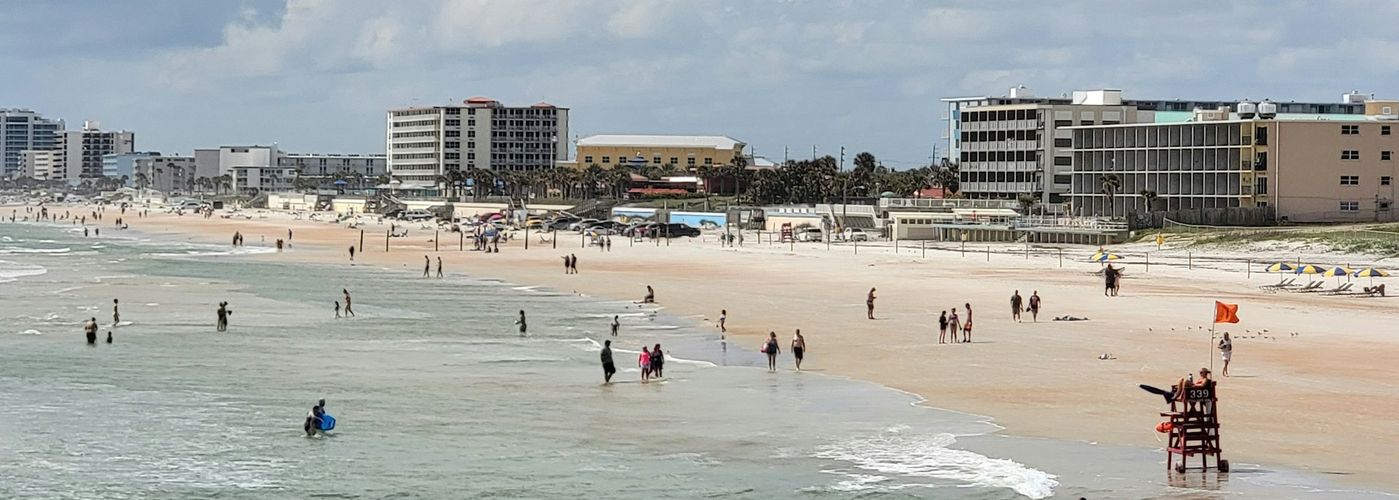
STR Investing in Daytona Beach & New Smyrna Beach, FL
The Daytona Beach and New Smyrna Beach short-term rental (STR) market presents a compelling, albeit complex, investment landscape characterized by…
Avg. Nightly Rate
$386
Avg. Occupancy
55%
Avg. Property Price
$250,012
Source: AirDNA & public market data, 2025
In This Guide
About the Daytona Beach & New Smyrna Beach, FL Market
Executive Summary
The Daytona Beach and New Smyrna Beach short-term rental (STR) market presents a compelling, albeit complex, investment landscape characterized by strong event-driven demand and distinct coastal appeal. Located within Volusia County, this dual-market region offers a unique blend of high-octane entertainment and relaxed seaside living. The investment thesis centers on capitalizing on the region's robust tourism infrastructure and diverse visitor demographics. Daytona Beach, famously known as the "World Center of Racing," draws massive crowds for internationally recognized events like the Daytona 500 and Bike Week, creating predictable and highly lucrative peak seasons. These events generate significant demand spikes, allowing STR operators to command premium rates and achieve near-full occupancy. Conversely, New Smyrna Beach offers 17 miles of pristine coastline and a vibrant surf culture, attracting families and outdoor enthusiasts seeking a more laid-back vacation experience. This inherent dichotomy allows astute investors to target different traveler segments, from thrill-seekers to serene beachgoers, within a relatively compact geographic area, thereby diversifying their potential revenue streams and mitigating risks associated with over-reliance on a single demand driver.
What makes this market truly unique is its ability to cater to such disparate visitor profiles while maintaining a strong overall tourism economy. The synergy between Daytona's event-driven tourism and New Smyrna's consistent leisure appeal creates a resilient market that can weather various economic conditions. The market's strategic location, coupled with significant infrastructure investments, further enhances its attractiveness. Key performance metrics underscore this potential, with the overall market boasting an average annual revenue of $39,539 and an Average Daily Rate (ADR) of $229.12. The market maintains a solid occupancy rate of 55%, supported by a robust active listing count of 8,527 properties. AirDNA assigns the market an Investability score of 74 and a Rental Demand score of 73, indicating strong underlying fundamentals for prospective buyers. However, the market's overall score of 48 reflects the significant challenges posed by a stringent regulatory environment, particularly in residential zones, which necessitates a highly strategic and compliant approach to property acquisition and operation. This regulatory complexity, while a barrier to entry, also serves to protect compliant operators from over-saturation in approved areas, potentially leading to higher returns for those who successfully navigate it.
This market is best suited for diligent, detail-oriented investors who are prepared to navigate a complex regulatory framework and possess a long-term investment horizon. The strict prohibition of STRs under 30 days in many residential areas of Volusia County means that successful investing requires careful property selection, focusing on commercially zoned areas, specific hotel/motel districts, or beachside condos where regulations are more permissive. These compliant properties, often condotels or units within established tourist zones, offer a clearer path to legal operation and reduced risk of regulatory enforcement. Investors who can successfully identify such properties and strategically capitalize on the region's strong event calendar and natural attractions stand to achieve significant returns. The market rewards those who prioritize compliance, strategic location, and professional management over broad, speculative acquisitions, offering a stable income stream and potential for capital appreciation for well-positioned assets. Ideal investors will also possess a strong understanding of dynamic pricing strategies to maximize revenue during peak seasons and maintain competitive occupancy during shoulder months, ensuring consistent profitability throughout the year.
Market Performance Data
The following table details the key performance metrics for the Daytona Beach and New Smyrna Beach STR market, based on recent AirDNA data, providing a comprehensive overview of its current state and potential.
Average Annual Revenue
$39,539
Average Daily Rate (ADR)
$229.12
Luxury ADR
$385.84
Average Occupancy Rate
55%
Total Active Listings
8,527
Market Scores (out of 100)
Analyzing these figures reveals a market with strong revenue potential tempered by regulatory constraints and pronounced seasonality. The average annual revenue of $39,539 is competitive, particularly when considering the relatively accessible entry price points in some submarkets compared to other major Florida coastal destinations. This figure represents the gross income an average STR property can expect to generate annually, highlighting the market's profitability and attractiveness to investors seeking cash flow. The Average Daily Rate (ADR) of $229.12 is robust, indicating a healthy pricing environment that supports strong rental yields. Furthermore, the significant premium commanded by luxury properties—an ADR of $385.84—highlights a clear opportunity for investors who can provide high-end amenities and superior guest experiences, catering to a more affluent segment of the tourist market. The overall occupancy rate of 55% is solid, though it inherently reflects the pronounced seasonality of the market, which is heavily influenced by major events and traditional vacation periods, necessitating careful revenue management strategies to optimize bookings throughout the year and smooth out income fluctuations.
The Revenue per Available Rental (RevPAR) story is nuanced and demonstrates distinct trajectories across the region's primary hubs. In New Smyrna Beach, RevPAR stands at $149, marking a healthy 6% increase year-over-year. This growth is driven by a commendable 3% rise in ADR to $277.90 and a 4% increase in occupancy, indicating a vibrant and growing market where demand is effectively outpacing supply growth. This sustained upward trend suggests a strong and stable environment for STR investments, particularly for those focused on consistent, year-round leisure travelers. Daytona Beach, meanwhile, has seen a remarkable 25.5% year-over-year increase in ADR to $177, contributing to an impressive 24.8% increase in average annual revenue to $38K. This dramatic trajectory suggests that Daytona Beach is successfully elevating its market positioning and capitalizing more effectively on its event-driven demand spikes, translating into significant revenue gains for operators who can strategically position their properties to capture this demand and manage the associated operational logistics.
When compared to national averages, the Investability score of 74 and Rental Demand score of 73 are particularly strong, placing the region favorably among prospective investment locations and signaling robust interest from both travelers and investors. These scores indicate that despite regulatory challenges, the underlying appeal and visitor volume are substantial, providing a solid foundation for long-term growth. Airbtics, a prominent STR analytics platform, further corroborates this potential by giving Daytona Beach a Market Investability Grade of B+, placing it in the top 8% nationally for STR yield. However, the Regulation score of 51 is a stark reminder of the local legislative challenges, indicating that while profitable, the market requires careful navigation of its rules and a commitment to compliance. The Seasonality score of 73 further emphasizes the need for investors to carefully manage cash flow and marketing efforts, as revenue will be heavily concentrated around peak events like the Daytona 500 in February, Bike Week in March, and the summer vacation months, with September typically representing the lowest point for revenue, demanding strategic pricing and promotional adjustments during these slower periods to maintain profitability and avoid prolonged vacancies.
Submarket & Neighborhood Analysis
The Daytona Beach and New Smyrna Beach region is composed of diverse submarkets, each offering distinct characteristics, price points, and investor appeal. Understanding these nuances is critical for strategic property selection and maximizing investment returns. The table below provides a comparative overview of the performance of key submarkets within the broader region, based on available AirDNA data, offering a granular look at where opportunities and challenges lie.
| Submarket | AirDNA Score | Annual Revenue | Occupancy | RevPAR | ADR |
|---|---|---|---|---|---|
| Deltona | 86 | $24K | 58% | $66 | $134 |
| Deland | 85 | $25K | 59% | $69 | $140 |
| Port Orange | 84 | $32K | 50% | $88 | $207 |
| Daytona Beach | 75 | $28K | 48% | $78 | $190 |
| Flagler Beach | 72 | $48K | 53% | $131 | $314 |
| Hammock Beach | 68 | $55K | 55% | $150 | $362 |
| Palm Coast | 67 | $36K | 56% | $100 | $216 |
| Edgewater | 63 | $27K | 55% | $75 | $173 |
| Ponce Inlet | 60 | $34K | 64% | $93 | $218 |
| Coronado Beach | 58 | $40K | 56% | $111 | $267 |
| Ormond Beach | 53 | $34K | 60% | $92 | $195 |
| Daytona Beach Shores | 49 | $34K | 53% | $92 | $218 |
| New Smyrna Beach | 47 | $27K | 53% | $73 | $176 |
Daytona Beach stands as the primary hub for high-energy tourism, characterized by its world-famous speedway, bustling boardwalk, and vibrant nightlife. This submarket appeals heavily to event-goers, motorsports enthusiasts, and spring breakers, creating a demand profile that is intensely seasonal but highly lucrative during peak periods. While the overall AirDNA score is a solid 75, the occupancy rate of 48% reflects the highly concentrated nature of its demand, with significant spikes around major events. Investors here must focus on properties that can maximize revenue during these peak events, often through dynamic pricing strategies and amenities catering to this demographic. The median home value of $250,012 makes it a relatively accessible entry point for investors, but strict residential zoning laws mean that legal STR operations are largely confined to commercially zoned areas or specific tourist districts, such as condotels along the beachfront. These properties often come with established management and amenities that cater specifically to transient guests, simplifying operations for investors and ensuring compliance with local regulations.
New Smyrna Beach offers a stark contrast, presenting a more relaxed, family-oriented atmosphere with a strong surf culture and thriving arts community. This submarket is celebrated for its 17 miles of pristine, drive-on white sandy beaches and has earned accolades as a top surfing town. Despite a lower AirDNA score of 47, it commands a significantly higher average home value of $450,975, reflecting its desirability as a premium coastal destination. The market here is less dependent on massive single events and more reliant on consistent seasonal vacationers, particularly families and couples seeking a tranquil beach getaway. Investors are primarily drawn to beachside condos and single-family homes where STRs are more readily permitted. The higher price points require a larger initial capital outlay, but the potential for consistent, high-quality bookings from affluent travelers and families is significant, often leading to more stable revenue streams and higher average daily rates over the long term. The emphasis on a more upscale, family-friendly experience also often translates to less wear and tear on properties and a more predictable guest profile, which can reduce operational headaches and maintenance costs.
Inland Submarkets (Deltona, Deland, Port Orange) present intriguing alternative investment angles for those seeking potentially higher returns on investment due to lower acquisition costs and less stringent regulatory environments compared to the coastal areas. Deltona and Deland boast the highest AirDNA scores in the region (86 and 85, respectively), driven by strong occupancy rates (58% and 59%) and a more consistent, less event-dependent demand profile. While their ADRs ($134 and $140) and annual revenues ($24K and $25K) are lower than the coastal areas, the return on investment can be highly attractive due to the significantly lower property acquisition costs and operational overhead. These areas often serve as overflow accommodations during major Daytona events and attract visitors seeking a quieter, more residential experience with easy access to both beaches and inland attractions. Port Orange offers a compelling middle ground, with a higher ADR of $207 and annual revenue of $32K, appealing to visitors who desire proximity to the beaches and events without being in the immediate center of the action, often providing a balance between coastal appeal and more favorable pricing. These inland markets can be particularly appealing to investors looking for a more diversified portfolio or a lower entry barrier into the Volusia County STR market, offering a different risk-reward profile.
Tourism & Demand Drivers
The Daytona Beach and New Smyrna Beach area is a powerhouse of tourism within Volusia County, drawing a massive and diverse influx of visitors annually. In 2024, Volusia County welcomed 4.5 million visitors, generating a staggering $3.3 billion in direct visitor spending and contributing to a total economic impact of $5.5 billion. This robust tourism sector is the lifeblood of the local economy, supporting 39,900 jobs in the leisure and hospitality industry with a payroll exceeding $1.01 billion. The sheer volume of visitors underscores the immense potential for the short-term rental market, as these travelers require diverse accommodation options ranging from budget-friendly condos to luxury beachfront homes. The consistent flow of tourists, driven by both major events and year-round attractions, provides a stable foundation for STR profitability, making it a highly attractive market for investors. This economic activity is not just seasonal; it is a continuous cycle of events, natural attractions, and cultural experiences that keep the region vibrant throughout the year.
Demand in this region is characterized by a fascinating dichotomy between event-driven surges and consistent seasonal leisure travel. Daytona Beach, globally recognized as the "World Center of Racing," is heavily reliant on massive, internationally renowned events that create predictable and significant spikes in visitor numbers. The Daytona International Speedway is the primary catalyst, hosting iconic events such as the Daytona 500, a premier NASCAR race, and the Rolex 24 at Daytona, a prestigious endurance sports car race. These events not only attract hundreds of thousands of spectators but also generate substantial media attention, further cementing Daytona Beach's reputation as a top destination for motorsports. Furthermore, the annual Bike Week motorcycle rally is a colossal draw; in 2024, the Speedway alone recorded 135,500 visitors during this single event, which can generate an economic impact of up to $100 million for the county. Spring Break also contributes significantly to visitor numbers, drawing a younger demographic. These events create intense, predictable spikes in demand, allowing STR operators to command premium rates and achieve near-full occupancy during these periods, often with bookings made months in advance. The strategic timing of these events throughout the year helps to mitigate some of the typical seasonality found in other coastal markets, providing multiple high-revenue opportunities.
In contrast, New Smyrna Beach cultivates a different type of demand, driven by its natural assets and cultural appeal. Celebrated for its 17 miles of pristine, drive-on white sandy beaches, it has earned accolades as one of the top surfing towns in the nation by publications like National Geographic and Southern Living. This area attracts a demographic focused on outdoor recreation, family vacations, and a thriving local arts scene, offering a more tranquil and upscale experience. The demand here is less about single weekend events and more about sustained seasonal visitation, particularly during the spring and summer months when families seek traditional beach holidays. This provides a more stable, albeit potentially less explosive, revenue stream compared to the event-heavy Daytona market. The demographic profile of visitors to New Smyrna Beach tends to be families and couples, often from within Florida or neighboring states, seeking a quieter escape. The emphasis on eco-tourism, local boutiques, and fine dining also appeals to a discerning traveler, contributing to a higher average spend per visitor.
The region benefits significantly from its accessibility, catering to both fly-to and drive-to markets. Daytona Beach International Airport (DAB) provides convenient air access, facilitating national and international tourism, particularly for those attending major events or seeking a quick getaway. The airport's strategic location and ongoing expansion plans ensure continued connectivity. However, the area's strategic location along major highway corridors, including Interstate 95 (connecting the East Coast) and Interstate 4 (connecting to Orlando's theme parks), makes it a highly accessible drive-to destination for millions of residents within Florida and neighboring states. This dual accessibility is a crucial strength, ensuring a steady flow of visitors even if air travel patterns fluctuate. Seasonality remains a defining characteristic of the market, with March typically representing the peak season for both occupancy and revenue across the region, driven by a confluence of Spring Break, Bike Week, and favorable weather. July also sees a significant surge due to summer vacations and Independence Day celebrations. Conversely, September typically marks the lowest point for revenue, presenting opportunities for off-season promotions or longer-term rentals to attract snowbirds or remote workers, thereby diversifying the income stream and maintaining occupancy during slower periods. Understanding these seasonal patterns is vital for effective revenue management and marketing strategies.
Why Invest in Daytona Beach & New Smyrna Beach, FL?
Real Estate Market Analysis
The real estate market across Daytona Beach and New Smyrna Beach presents distinct profiles, reflecting their different market positioning and target demographics. In Daytona Beach, the market is characterized by relatively accessible entry points, making it an attractive option for a broader range of investors. As of April 2026, the average home value stands at $250,012. This represents a 5.5% decrease over the past year, indicating a cooling or correction phase following previous periods of rapid appreciation. This trend suggests a potential buying opportunity for investors looking to enter the market at a more favorable price point, particularly for those seeking properties with strong cash flow potential. The median sale price has shown volatility, rising from $240,000 in 2020 to a peak of $350,000 in 2024, before dipping slightly to $345,000 in 2025. Homes in Daytona Beach typically go to pending status in approximately 56 days, suggesting a moderately paced market where buyers have some negotiating leverage, but properties are still moving efficiently.
New Smyrna Beach, conversely, operates at a significantly higher price point, reflecting its status as a premium coastal destination with a more affluent buyer and renter demographic. The average home value here is $450,975 as of April 2026. While this also represents a slight decrease of 1.5% over the past year, the market remains robust and has shown greater resilience compared to Daytona Beach. The median listing price is notably higher at $515,000, and recent data from March 2026 showed home prices up 2.8% compared to the previous year, with a median selling price of $494,000. The days on market in New Smyrna Beach is longer, averaging around 77 days, which is typical for higher-priced, secondary-home, or investment-heavy markets where buyers are often more deliberate in their purchasing decisions, reflecting the significant investment involved. This slower pace can sometimes offer more time for due diligence and strategic property selection, allowing investors to secure properties that align perfectly with their investment goals.
For the broader Volusia County area, the median home price was $349,000 in March 2026, reflecting a modest 1.2% year-over-year increase, while the average home value was $323,354, down 3.2% over the past year. This county-wide data highlights the localized variations between the more affordable inland/Daytona areas and the premium New Smyrna Beach market. Inventory levels and cap rate expectations vary significantly based on property type and exact location. Coastal properties, particularly those in zones where STRs are legally permitted, command a significant premium due to their desirability and income-generating potential. Understanding these localized trends is crucial for accurately assessing investment viability and potential returns. The availability of diverse property types, from high-rise oceanfront condos and condotels in Daytona to single-family beach homes and low-rise condos in New Smyrna Beach, provides investors with a wide range of options to match their risk tolerance and investment strategy. Each property type comes with its own set of operational considerations, from HOA fees to maintenance requirements, all of which impact the overall cap rate.
When evaluating cap rates, investors must carefully segment the market. Properties in Daytona Beach that can legally operate as STRs (e.g., condotels or commercially zoned properties) may offer higher initial cap rates due to the lower acquisition costs relative to the potential event-driven revenue spikes. However, these properties often come with higher HOA fees, which can impact net operating income, or commercial financing requirements, which can be more stringent. In New Smyrna Beach, the higher acquisition costs generally compress initial cap rates, but these properties often benefit from stronger historical appreciation and a more consistent, less volatile revenue stream from affluent family vacationers, potentially offering better long-term capital gains. The available property types range from high-rise oceanfront condos and condotels in Daytona to single-family beach homes and low-rise condos in New Smyrna Beach, each requiring a tailored investment and management strategy to maximize profitability and mitigate risks. Investors should also consider the price per square foot, which can vary significantly between these markets and property types, providing another metric for value assessment. Inventory trends, such as the number of active listings and days on market, offer insights into market competitiveness and buyer/seller leverage, influencing negotiation strategies and the speed of transactions. The overall real estate market, while showing some signs of cooling, remains fundamentally strong due to consistent demand from both residents and investors. The trend of decreasing average home values in Daytona Beach (5.5% over the past year) and New Smyrna Beach (1.5% over the past year) could signal a market correction, potentially offering more favorable entry points for investors. However, the median selling price in New Smyrna Beach showing a 2.8% increase year-over-year suggests a resilient demand for premium properties. This divergence highlights the importance of granular market analysis. Inventory levels are a key indicator; a higher inventory can lead to a buyer's market, while low inventory can drive up prices. Days on market (56 days in Daytona Beach, 77 days in New Smyrna Beach) also reflect market liquidity and buyer urgency. Cap rate expectations for STRs are generally higher than for long-term rentals due to the increased operational intensity and risk, but they are also highly dependent on location, property type, and management efficiency. Investors should aim for cap rates that align with their risk tolerance and financial goals, typically seeking 8-12% or higher for well-managed STRs in desirable locations. Property types available are diverse, including oceanfront high-rise condominiums, smaller beachside cottages, and single-family homes further inland. Each type caters to a different guest demographic and comes with varying operational complexities and potential returns. Condotels, for instance, often include on-site management and amenities, simplifying operations but potentially reducing net income due to higher fees. Single-family homes offer more privacy and space but require more hands-on management or a dedicated property manager. The choice of property type should align with the investor's operational capacity and target market segment. For example, a luxury oceanfront condo in New Smyrna Beach might attract high-net-worth families seeking an exclusive getaway, while a more modest condo in Daytona Beach could appeal to event-goers looking for convenient access to the Speedway. Understanding the specific appeal of each property type within its submarket is crucial for successful investment. The price per square foot also varies significantly, with beachfront properties commanding a premium. For instance, a beachfront condo in New Smyrna Beach might have a price per square foot significantly higher than an inland single-family home in Deltona, reflecting the value placed on location and direct access to amenities. This metric is essential for comparing properties of different sizes and types on an apples-to-apples basis. Investors should also consider the potential for appreciation, which can be influenced by local economic development, infrastructure improvements, and the overall desirability of the area. Volusia County's ongoing infrastructure projects and economic development initiatives suggest a positive outlook for long-term property value growth. This comprehensive understanding of the real estate market is fundamental to making informed investment decisions and achieving sustainable profitability in the Daytona Beach and New Smyrna Beach STR market.
Investment Strategy & Property Selection
Successful investment in the Daytona Beach and New Smyrna Beach STR market hinges on a meticulously crafted strategy and discerning property selection, particularly given the nuanced regulatory landscape. The choice of property type is paramount: condos and condotels in commercially zoned or beachside districts are often the most viable and compliant options, especially in Daytona Beach where residential STRs are largely prohibited. These properties benefit from established management structures, often including on-site services, and are typically located in areas with high tourist foot traffic, ensuring consistent visibility and booking potential. In New Smyrna Beach, while beachside single-family homes can be highly lucrative, offering privacy and space that appeals to families, they come with higher acquisition costs, increased maintenance responsibilities, and potentially more complex regulatory hurdles if not in explicitly permitted zones. Cabins are generally not a prevalent property type in this coastal market, with demand almost exclusively focused on beach-oriented accommodations. Therefore, investors should primarily focus on multi-family units or properties within designated tourist zones that are explicitly permitted for short-term rentals.
Optimal bedroom count is largely dictated by the target demographic and market segment an investor wishes to attract. For event-driven demand in Daytona Beach, smaller units (1-2 bedrooms) in condotels can perform exceptionally well, catering to couples or small groups attending races, rallies, or conventions. These units often have lower operating costs, higher per-square-foot revenue potential, and quicker turnover times. In New Smyrna Beach, where family tourism is more prominent, 2-3 bedroom condos or single-family homes tend to be ideal, accommodating larger groups and offering a more spacious vacation experience. These properties can command higher overall rates and longer stays. Larger properties (4+ bedrooms) can command premium rates and cater to multi-generational families or larger groups, but they also come with increased operational complexities, higher utility costs, and a smaller pool of potential renters, which can lead to lower occupancy rates if not managed effectively. Understanding the specific needs of the target guest is crucial for optimizing bedroom count and maximizing rental income.
"Must-have" amenities are crucial for competitive positioning and maximizing occupancy and Average Daily Rate (ADR) in a saturated market. Direct beach access or ocean views are non-negotiable for premium properties in both markets, often justifying significantly higher rates. Other highly desirable amenities include a community pool, hot tub, modern kitchen with high-end appliances, high-speed Wi-Fi, and in-unit laundry facilities. For family-oriented properties, kid-friendly features like bunk beds, games, beach toys, and even cribs or high chairs can significantly enhance appeal and justify a premium. Pet-friendly options can also tap into a growing market segment, provided the property and HOA allow it. Smart home technology for keyless entry, smart thermostats, and noise monitoring devices is increasingly expected by guests and can streamline management, improve security, and reduce operational costs. Providing high-quality linens, comfortable bedding, and a well-stocked kitchen are also essential for positive guest reviews and repeat bookings.
Effective pricing strategy is dynamic and requires constant adjustment based on seasonality, local events, competitor pricing, and demand fluctuations. Utilizing dynamic pricing tools that integrate with AirDNA data and other market intelligence can help optimize rates to capture peak demand during events like Bike Week, the Daytona 500, or major holidays, where ADRs can surge by 2-3x. During off-peak seasons, competitive pricing, targeted promotions, and offering longer-stay discounts can help maintain occupancy and cash flow. A robust marketing strategy, including professional photography, compelling listing descriptions, and multi-platform distribution (Airbnb, Vrbo, direct booking website), is also essential. Management considerations are critical, especially for out-of-state investors. Professional property management is highly recommended to navigate local regulations, handle guest services (check-in/out, cleaning, maintenance), marketing, and financial reporting. Given the strict regulatory environment, choosing a management company with a proven track record of compliance, local expertise, and a strong understanding of STR operations is essential to ensure legal operation and maximize profitability. Self-management can be an option for local, hands-on investors, but it demands significant time and effort to stay compliant and competitive.
Financing Considerations
Securing appropriate financing is a pivotal step for any STR investor in the Daytona Beach and New Smyrna Beach market, with specific considerations that differentiate it from traditional residential mortgages. One of the most relevant financing options for investment properties, particularly STRs, is the Debt Service Coverage Ratio (DSCR) loan. These loans are increasingly popular because they qualify borrowers based on the property's projected rental income rather than the borrower's personal income, making them ideal for investors with multiple properties or those seeking to scale their portfolio. Lenders typically require a DSCR of 1.20x or higher, meaning the property's net operating income must be at least 120% of its debt service (principal and interest payments). This approach allows investors to leverage the income-generating potential of the STR itself, rather than being constrained by personal income limitations. However, it's crucial to present robust income projections, often supported by AirDNA reports or professional appraisals, to secure favorable terms. The eligibility for DSCR loans can vary based on the property type and location, with condotels or properties in designated tourist zones often being more straightforward to finance due to their established STR history and commercial nature.
Typical Loan-to-Value (LTV) ratios for STR investment properties generally range from 70% to 80%, meaning investors should anticipate a down payment of 20% to 30% of the purchase price. This is often higher than the down payments required for owner-occupied primary residences, reflecting the increased risk perception associated with investment properties. Lenders may also require higher reserves to cover potential vacancies or unexpected expenses, typically 6-12 months of principal, interest, taxes, and insurance (PITI). Property tax implications are another critical financial consideration. Unlike owner-occupied homes, STRs do not qualify for homestead exemptions in Florida, resulting in significantly higher annual property tax burdens. These taxes are assessed based on the property's market value and can fluctuate, requiring investors to factor in potential increases into their financial models. It is essential to obtain an accurate estimate of property taxes before acquisition, as they can substantially impact cash flow and overall profitability. Investors should consult with local tax professionals to understand the specific assessment methodologies and potential for future tax liabilities.
Insurance considerations for STRs are also more complex and costly than for standard homeowner policies. Traditional homeowner's insurance policies typically exclude coverage for commercial activities, leaving STR operators vulnerable to significant financial losses in the event of property damage, liability claims from guests, or loss of rental income. Therefore, investors must secure specialized commercial STR insurance policies that provide comprehensive coverage for these unique risks. These policies typically include general liability coverage (e.g., $1 million to $2 million), property damage coverage, and often loss of income coverage, which protects against revenue loss during periods when the property is uninhabitable due to covered perils. The cost of STR insurance can be significantly higher than standard homeowner's insurance, often ranging from 1.5 to 3 times more, and varies based on location (e.g., proximity to the coast, flood zones), property value, and coverage limits. Given the coastal location of Daytona Beach and New Smyrna Beach, flood insurance is often a mandatory requirement for properties in designated flood zones, adding another layer of cost and complexity. Investors must work with experienced insurance brokers who specialize in STRs to ensure adequate coverage and mitigate potential financial exposure from unforeseen events.
Risk Assessment
Investing in the Daytona Beach and New Smyrna Beach STR market, while promising, is not without its inherent risks. A thorough risk assessment is crucial for developing robust mitigation strategies and ensuring long-term investment viability. One of the most significant risks in this coastal region is natural disasters. Florida is highly susceptible to hurricanes, tropical storms, and associated risks such as storm surge, flooding, and wind damage. These events can cause extensive property damage, lead to prolonged periods of closure, and result in significant financial losses, even with comprehensive insurance. Mitigation strategies include purchasing robust flood and wind insurance, implementing hurricane-resistant building codes (where applicable), having a detailed emergency preparedness plan, and maintaining adequate financial reserves to cover deductibles and unexpected repair costs. Beyond hurricanes, other natural phenomena like coastal erosion can also impact beachfront properties over time, necessitating long-term planning and maintenance.
Regulatory risk remains a paramount concern, given the current strict and evolving landscape in Volusia County. The county's prohibition of STRs in residential zones, upheld by recent court decisions, creates a constant threat of enforcement actions for non-compliant properties. The risk is that existing legal loopholes or grandfathered clauses could be tightened or eliminated, or that new regulations could be introduced that further restrict STR operations. This uncertainty can deter potential buyers and impact property values. Mitigation involves rigorous due diligence before purchase, ensuring the property is in a legally permissible zone, obtaining all necessary licenses and permits, and staying informed about legislative developments at both local and state levels. Engaging with local legal counsel specializing in real estate and STR regulations is essential to navigate this complex environment and ensure ongoing compliance. Furthermore, actively participating in local STR advocacy groups can help influence policy decisions and protect investor interests.
Supply saturation risk is another factor to consider, particularly in popular tourist destinations. While the Daytona Beach and New Smyrna Beach market currently exhibits strong demand, an influx of new STR listings could lead to increased competition, downward pressure on ADRs, and reduced occupancy rates. This risk is particularly pronounced in areas with lower barriers to entry or where new developments are specifically designed for STRs. Mitigation strategies include differentiating your property through unique amenities, superior guest experiences, and targeted marketing. Regularly analyzing market data (e.g., AirDNA) to monitor supply and demand trends, adjusting pricing strategies dynamically, and focusing on niche markets (e.g., pet-friendly, luxury, specific event-goers) can help maintain competitiveness. Investing in properties with unique characteristics or in submarkets with higher barriers to entry can also provide a competitive advantage.
Economic concentration risk in Daytona Beach is tied to its reliance on major events, particularly motorsports. While these events provide significant revenue spikes, a decline in attendance, cancellation of events, or a shift in tourist preferences could severely impact demand and profitability. Similarly, New Smyrna Beach, while more diversified, still relies heavily on leisure tourism. A broader economic downturn or a significant shift in travel patterns could reduce visitor volume and spending. Mitigation involves diversifying the property portfolio across different submarkets or even different asset classes, and targeting a broader range of guest demographics. For example, offering flexible booking options, catering to remote workers with dedicated workspaces, or exploring longer-term winter rentals (snowbirds) during off-peak seasons can help stabilize income streams and reduce reliance on single demand drivers. Maintaining a strong online presence and positive guest reviews can also help attract bookings even during slower periods.
Conclusion & Investment Verdict
The Daytona Beach and New Smyrna Beach STR market presents a compelling, yet intricate, investment opportunity for the discerning investor. Its dual appeal—combining Daytona's high-energy, event-driven tourism with New Smyrna's tranquil, family-oriented beach experience—creates a resilient and diverse demand profile. Key performance indicators, such as robust average annual revenues and healthy ADRs, underscore the market's profitability potential. However, the stringent regulatory environment, particularly Volusia County's prohibition of STRs in residential zones, necessitates a highly strategic and compliant approach. Success in this market is not about broad speculation but about precise execution: identifying legally permissible properties, understanding submarket nuances, and implementing professional management and dynamic pricing strategies. For those willing to navigate its complexities, the region offers significant returns and long-term appreciation potential.
For investors seeking a high-yield, event-driven strategy, Daytona Beach's condotels and commercially zoned properties offer attractive entry points and the potential for substantial revenue spikes during major events like the Daytona 500 and Bike Week. These properties, while requiring careful management to capitalize on peak demand, can deliver impressive cash flow. Conversely, New Smyrna Beach, with its higher price points and more consistent leisure demand, appeals to investors prioritizing stability, capital appreciation, and a more upscale clientele. The inland submarkets of Deltona, Deland, and Port Orange present an alternative for those seeking lower acquisition costs and potentially higher cap rates, serving as valuable overflow markets and catering to a different segment of visitors. The clear investment verdict is that this market is highly attractive for strategic investors who prioritize due diligence, compliance, and professional management.
Ultimately, the Daytona Beach and New Smyrna Beach STR market is a dynamic landscape that rewards informed and adaptable investors. While the regulatory hurdles are significant, they also serve as a barrier to entry, protecting compliant operators from over-saturation and potentially enhancing profitability for those who successfully navigate the system. By focusing on legally permissible property types, understanding the distinct demand drivers of each submarket, implementing effective pricing and marketing strategies, and mitigating risks associated with natural disasters and economic fluctuations, investors can unlock substantial value. This guide serves as a foundational roadmap, but continuous market analysis, adherence to regulations, and a commitment to providing exceptional guest experiences will be the cornerstones of sustained success in this vibrant Florida coastal market.
STR Regulations in Daytona Beach & New Smyrna Beach, FL
Regulatory Environment & Compliance
Navigating the regulatory environment is arguably the most critical and challenging aspect of operating a short-term rental in the Daytona Beach and New Smyrna Beach area. The landscape is complex, highly restrictive in certain zones, and subject to strict enforcement. Volusia County, which encompasses both municipalities, operates under a zoning ordinance established in 2004 that generally prohibits rentals of less than 30 days in residential areas, classifying such operations as "hotel/motel use." This prohibition is not merely a guideline; it was firmly upheld by a judge in December 2022, underscoring the county's commitment to preserving the residential character of its neighborhoods. Consequently, properties found operating illegal STRs in residential zones can face severe penalties, including substantial fines of up to $10,000 per violation, and even forced cessation of operations. For investors, this means that purchasing a standard single-family home in a typical residential neighborhood with the intent to run an STR is generally not a viable strategy, and rigorous due diligence on zoning is paramount before any acquisition.
Within the specific city limits, regulations remain stringent but offer specific carve-outs for legal STR operations. In Daytona Beach, STRs (defined as rentals for less than 6 months and 1 day) are broadly prohibited in residential zoning districts. To operate legally, investors must target commercially zoned areas or specific tourist-oriented districts, such as condotels or designated resort areas along the beachfront. These areas are typically designed to accommodate transient lodging and have the necessary infrastructure and zoning in place, often with established management structures that simplify compliance. New Smyrna Beach adopts a slightly more nuanced approach, permitting STRs in specific zoning districts, primarily those designated as beachside or tourist-commercial zones. In both cities, compliance requires obtaining a local Business Tax Receipt (BTR) annually, which is a fundamental step for any commercial operation. Furthermore, operators must secure a state-issued transient public lodging establishment license from the Florida Department of Business & Professional Regulation (DBPR), which is mandatory for properties rented more than three times a year for periods of less than 30 days. The DBPR license involves an application fee of $50 plus a $10 Hospitality Education Program (HEP) fee, with varying license fees based on property size and type, and requires adherence to specific health and safety standards.
Tax obligations are another crucial component of compliance that investors must meticulously manage. All STR operators in Volusia County must establish a Tourist and Convention Development Tax (TDT) account with the county's Revenue Services department. The TDT rate is 6% of the total rental amount, which crucially includes cleaning fees, and must be remitted monthly by the 20th of the following month. This tax is specifically designed to fund tourism promotion and infrastructure. In addition to the local TDT, operators are subject to the Florida State Sales Tax of 6.5% (comprising a 6% state sales tax and a 0.5% discretionary sales surtax). This brings the combined tax burden on rentals to a significant 12.5%. While major booking platforms like Airbnb and Vrbo often collect and remit the state sales tax automatically on behalf of hosts, operators must ensure the local TDT is handled correctly and remitted promptly to avoid penalties and legal issues. Property taxes also differ for STRs; as investment properties, they typically do not qualify for homestead exemptions, leading to higher effective tax rates compared to owner-occupied residences, which must be factored into financial projections.
Beyond municipal and county regulations, investors must rigorously evaluate Homeowner Association (HOA) and Condominium Association rules. Given the county-wide restrictions on residential STRs, many HOAs and condo boards have explicitly codified these bans into their bylaws to align with local ordinances or to preserve the residential character and quiet enjoyment of their communities. Even in zones where STRs are legally permitted by the city, an HOA can still enforce stricter rules, including outright bans, minimum lease terms (e.g., 3-month minimums), or specific operational guidelines that can significantly impact profitability and operational flexibility. Investors must conduct exhaustive due diligence, reviewing all HOA declarations, bylaws, and recent meeting minutes before purchasing, as an HOA restriction will supersede a permissive city zoning ordinance. Special assessments, often arising from underfunded reserves or unexpected major repairs (e.g., concrete restoration in beachfront condos), are a notable risk factor that can significantly increase ownership costs and erode investment returns.
The regulatory trajectory in Florida is currently in a state of flux, adding a layer of uncertainty for STR investors. During the 2024-2025 legislative sessions, state lawmakers have actively considered bills that could increase state-level oversight and potentially standardize STR regulations across Florida. While this could theoretically preempt some of the more restrictive local ordinances, there are often provisions to "grandfather in" local rules established before 2011. Given that Volusia County's primary restrictive ordinance dates back to 2004, it is highly likely to remain in effect regardless of state-level changes. Therefore, investors must operate under the assumption that the current strict local zoning laws will persist and plan their acquisitions accordingly, focusing on properties that are already compliant or can be made compliant with minimal risk. Staying informed about legislative developments and consulting with local legal professionals is paramount to mitigating regulatory risks and ensuring long-term operational legality and profitability.
Financing Options for Daytona Beach & New Smyrna Beach, FL
DSCR Loans
Qualify based on rental income, not personal income. The go-to loan for short-term rental investors who want to scale their portfolio without W-2 limitations.
- No personal income verification
- Based on property cash flow (DSCR ratio)
- Close in as few as 21 days
2nd Home Conventional
Finance vacation homes you also rent part-time. Ideal for owners who use their STR property personally and want flexible terms.
- As little as 10% down
- Personal use + rental income
- Fixed and adjustable options
Related Resources
DSCR Loans 101: The Complete Guide for STR Investors
Everything you need to know about DSCR loans for short-term rental properties. How they work, who qualifies, and why they are the go-to financing option for Airbnb and VRBO investors.
The Complete Guide to Financing Short-Term Rental Properties
A comprehensive guide to financing your short-term rental investment. Compare DSCR loans, conventional mortgages, and other options to find the right fit for your STR strategy.
Ready to Invest in Daytona Beach & New Smyrna Beach, FL?
Get pre-approved for STR financing and start building your portfolio.