

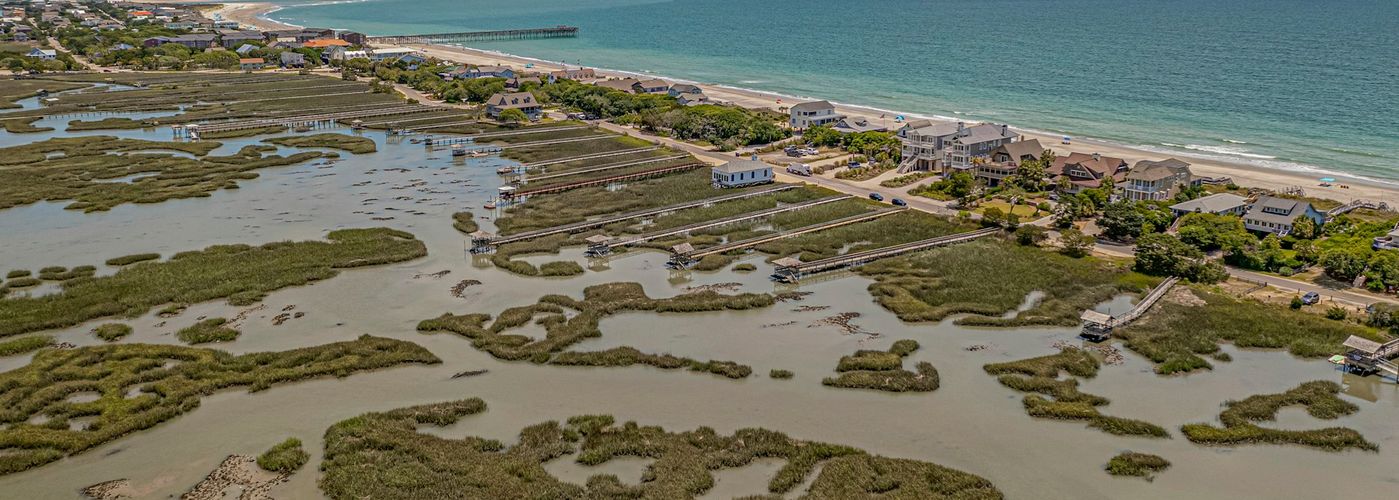
STR Investing in Pawleys Island & Murrells Inlet, SC
Pawleys Island and Murrells Inlet offer several unique investment angles for short-term rentals, leveraging their distinct characteristics and regional…
Avg. Nightly Rate
$637
Avg. Occupancy
56%
Avg. Property Price
$350,000
Source: AirDNA & public market data, 2025
In This Guide
About the Pawleys Island & Murrells Inlet, SC Market
Executive Summary
Pawleys Island and Murrells Inlet offer several unique investment angles for short-term rentals, leveraging their distinct characteristics and regional appeal.
Pawleys Island: Laid-Back Luxury and Exclusivity: Pawleys Island's established brand as a 'laid-back luxury' destination creates a niche market for high-end STRs. Investors can capitalize on this by offering premium properties with upscale amenities, catering to discerning travelers seeking a tranquil yet sophisticated coastal experience. Properties with private beach access, high-end finishes, and concierge services can command higher ADRs and attract repeat guests. The focus on preserving its natural beauty and avoiding over-commercialization further enhances its exclusive appeal, potentially leading to more stable, high-value bookings [52].
Murrells Inlet: Culinary Tourism and Natural Attractions: Murrells Inlet's reputation as the 'Seafood Capital of South Carolina' and its famous MarshWalk provide a strong foundation for culinary tourism. STRs located near the MarshWalk or with easy access to its renowned restaurants can attract foodies and those seeking vibrant nightlife. The presence of major attractions like Brookgreen Gardens and Huntington Beach State Park also draws nature enthusiasts and families, offering diverse demand drivers. Investors could consider properties that emphasize outdoor living, access to fishing charters, or proximity to these natural and culinary hotspots [53] [54] [55].
Geographic Overlap and Dual Market Appeal: The close proximity of Pawleys Island and Murrells Inlet, both falling under Georgetown County's regulatory framework, allows investors to tap into two distinct but complementary markets. A property in one area can still benefit from the attractions and amenities of the other. This geographic overlap provides flexibility in marketing and guest targeting, potentially broadening the appeal of an investment property.
Seasonal Rental Opportunities and Extended Stays: While both areas experience peak summer seasons, there's an opportunity to cater to off-season demand. Pawleys Island, with its quieter ambiance, can attract 'snowbirds' seeking monthly winter rentals [57]. Murrells Inlet's year-round appeal for dining and outdoor activities can also support extended stays during shoulder seasons. Marketing properties for longer durations during non-peak times can help stabilize occupancy and revenue throughout the year.
Limited Supply in Specific Niches: While the broader Myrtle Beach area may face saturation, specific niches within Pawleys Island and Murrells Inlet might offer less competition. For example, properties with unique architectural styles, large lots, or those specifically designed for multi-generational family vacations could stand out. Identifying and investing in these underserved segments can lead to higher occupancy and profitability [43].
Community-Focused Investment: Both communities have a strong sense of local identity. Investors who integrate with the local community, support local businesses, and maintain properties in a way that respects the local aesthetic may find greater success and acceptance, especially in areas with active HOAs.
The short-term rental (STR) market in Pawleys Island and Murrells Inlet, South Carolina, exhibits strong performance, particularly during peak seasons, but also shows distinct seasonal patterns. In Pawleys Island, the average daily rate (ADR) is around $251, with an occupancy rate of 56%. Annual revenue for hosts averages $37,478, with top performers earning over $60,663 per year [44]. AirDNA data indicates a slightly higher ADR of $438 and 55% occupancy, generating approximately $35,266 in monthly revenue [45]. The market is characterized by high summer revenue potential and stable occupancy, though elevated home prices and increasing supply are noted [43].
Murrells Inlet also presents an attractive STR market, though with more pronounced seasonal fluctuations. The median property sale price for investment properties is $350,000 [32]. For traditional rentals, the cash-on-cash return is 3.00%, with an average rental income of $1,964. For Airbnb properties, the cash-on-cash return is not explicitly provided as a general figure, but the average Airbnb rental income is $1,199 [32]. Mashvisor data also shows a traditional cap rate of 8.50% and an Airbnb cap rate of 4.77% [32]. Rabbu highlights that Murrells Inlet offers attractive opportunities for investors comfortable with seasonal cash-flow patterns, as revenue can swing dramatically, with January typically being a low point [46]. The market has a significant number of active listings, with 320 Airbnb properties and 8 traditional rental properties listed on Mashvisor [32].
Market Performance Data
ADR Detailed
$370.09
Luxury ADR
$637.23
Market Scores (out of 100)
The short-term rental (STR) market in Pawleys Island and Murrells Inlet, South Carolina, exhibits strong performance, particularly during peak seasons, but also shows distinct seasonal patterns. In Pawleys Island, the average daily rate (ADR) is around $251, with an occupancy rate of 56%. Annual revenue for hosts averages $37,478, with top performers earning over $60,663 per year [44]. AirDNA data indicates a slightly higher ADR of $438 and 55% occupancy, generating approximately $35,266 in monthly revenue [45]. The market is characterized by high summer revenue potential and stable occupancy, though elevated home prices and increasing supply are noted [43].
Murrells Inlet also presents an attractive STR market, though with more pronounced seasonal fluctuations. The median property sale price for investment properties is $350,000 [32]. For traditional rentals, the cash-on-cash return is 3.00%, with an average rental income of $1,964. For Airbnb properties, the cash-on-cash return is not explicitly provided as a general figure, but the average Airbnb rental income is $1,199 [32]. Mashvisor data also shows a traditional cap rate of 8.50% and an Airbnb cap rate of 4.77% [32]. Rabbu highlights that Murrells Inlet offers attractive opportunities for investors comfortable with seasonal cash-flow patterns, as revenue can swing dramatically, with January typically being a low point [46]. The market has a significant number of active listings, with 320 Airbnb properties and 8 traditional rental properties listed on Mashvisor [32].
The short-term rental (STR) market in Pawleys Island and Murrells Inlet, South Carolina, exhibits strong performance, particularly during peak seasons, but also shows distinct seasonal patterns. In Pawleys Island, the average daily rate (ADR) is around $251, with an occupancy rate of 56%. Annual revenue for hosts averages $37,478, with top performers earning over $60,663 per year [44]. AirDNA data indicates a slightly higher ADR of $438 and 55% occupancy, generating approximately $35,266 in monthly revenue [45]. The market is characterized by high summer revenue potential and stable occupancy, though elevated home prices and increasing supply are noted [43].
Murrells Inlet also presents an attractive STR market, though with more pronounced seasonal fluctuations. The median property sale price for investment properties is $350,000 [32]. For traditional rentals, the cash-on-cash return is 3.00%, with an average rental income of $1,964. For Airbnb properties, the cash-on-cash return is not explicitly provided as a general figure, but the average Airbnb rental income is $1,199 [32]. Mashvisor data also shows a traditional cap rate of 8.50% and an Airbnb cap rate of 4.77% [32]. Rabbu highlights that Murrells Inlet offers attractive opportunities for investors comfortable with seasonal cash-flow patterns, as revenue can swing dramatically, with January typically being a low point [46]. The market has a significant number of active listings, with 320 Airbnb properties and 8 traditional rental properties listed on Mashvisor [32].
Submarket & Neighborhood Analysis
Pawleys Island
- Character:
- Laid-back luxury, exclusive
- Price Point:
- High ($500k+)
- Investor Appeal:
- High-end STRs, stable demand
Murrells Inlet
- Character:
- Seafood capital, vibrant
- Price Point:
- Medium ($350k+)
- Investor Appeal:
- Seasonal cash flow, diverse demographic
Pawleys Island is renowned for its 'laid-back luxury' brand, offering a more serene and upscale coastal experience compared to the bustling Myrtle Beach. Key attractions include its pristine beaches, historic rope hammocks, and a focus on natural beauty and outdoor activities. The area attracts visitors seeking a quieter retreat, often families and couples. Investors can capitalize on this by offering premium properties with high-end amenities.
Pawleys Island is renowned for its 'laid-back luxury' brand, offering a more serene and upscale coastal experience compared to the bustling Myrtle Beach. Key attractions include its pristine beaches, historic rope hammocks, and a focus on natural beauty and outdoor activities. The area attracts visitors seeking a quieter retreat, often families and couples. Investors can capitalize on this by offering premium properties with high-end amenities.
Pawleys Island is renowned for its 'laid-back luxury' brand, offering a more serene and upscale coastal experience compared to the bustling Myrtle Beach. Key attractions include its pristine beaches, historic rope hammocks, and a focus on natural beauty and outdoor activities. The area attracts visitors seeking a quieter retreat, often families and couples. Investors can capitalize on this by offering premium properties with high-end amenities.
Pawleys Island is renowned for its 'laid-back luxury' brand, offering a more serene and upscale coastal experience compared to the bustling Myrtle Beach. Key attractions include its pristine beaches, historic rope hammocks, and a focus on natural beauty and outdoor activities. The area attracts visitors seeking a quieter retreat, often families and couples. Investors can capitalize on this by offering premium properties with high-end amenities.
Pawleys Island is renowned for its 'laid-back luxury' brand, offering a more serene and upscale coastal experience compared to the bustling Myrtle Beach. Key attractions include its pristine beaches, historic rope hammocks, and a focus on natural beauty and outdoor activities. The area attracts visitors seeking a quieter retreat, often families and couples. Investors can capitalize on this by offering premium properties with high-end amenities.
Murrells Inlet, known as the 'Seafood Capital of South Carolina,' is a historic fishing village famous for its MarshWalk, a half-mile boardwalk lined with waterfront restaurants and live music. Major attractions include Brookgreen Gardens and Huntington Beach State Park. Murrells Inlet's vibrant culinary scene and natural beauty draw a diverse demographic. The market offers attractive opportunities for investors comfortable with seasonal cash-flow patterns.
Murrells Inlet, known as the 'Seafood Capital of South Carolina,' is a historic fishing village famous for its MarshWalk, a half-mile boardwalk lined with waterfront restaurants and live music. Major attractions include Brookgreen Gardens and Huntington Beach State Park. Murrells Inlet's vibrant culinary scene and natural beauty draw a diverse demographic. The market offers attractive opportunities for investors comfortable with seasonal cash-flow patterns.
Murrells Inlet, known as the 'Seafood Capital of South Carolina,' is a historic fishing village famous for its MarshWalk, a half-mile boardwalk lined with waterfront restaurants and live music. Major attractions include Brookgreen Gardens and Huntington Beach State Park. Murrells Inlet's vibrant culinary scene and natural beauty draw a diverse demographic. The market offers attractive opportunities for investors comfortable with seasonal cash-flow patterns.
Murrells Inlet, known as the 'Seafood Capital of South Carolina,' is a historic fishing village famous for its MarshWalk, a half-mile boardwalk lined with waterfront restaurants and live music. Major attractions include Brookgreen Gardens and Huntington Beach State Park. Murrells Inlet's vibrant culinary scene and natural beauty draw a diverse demographic. The market offers attractive opportunities for investors comfortable with seasonal cash-flow patterns.
Murrells Inlet, known as the 'Seafood Capital of South Carolina,' is a historic fishing village famous for its MarshWalk, a half-mile boardwalk lined with waterfront restaurants and live music. Major attractions include Brookgreen Gardens and Huntington Beach State Park. Murrells Inlet's vibrant culinary scene and natural beauty draw a diverse demographic. The market offers attractive opportunities for investors comfortable with seasonal cash-flow patterns.
Tourism & Demand Drivers
Pawleys Island and Murrells Inlet are integral parts of South Carolina's Grand Strand, a major tourism destination, attracting millions of visitors annually. The Myrtle Beach area, which encompasses these locations, welcomed 17.2 million visitors in 2023, with 14.3 million being leisure visitors [51]. The majority of these visitors (70%) are drive-to tourists, primarily from the Carolinas, Ohio, Virginia, and Georgia, while 30% are fly-in visitors [51]. The average visitor spends $960 per trip, contributing significantly to the local economy [51].
Pawleys Island is renowned for its 'laid-back luxury' brand, offering a more serene and upscale coastal experience compared to the bustling Myrtle Beach. Key attractions include its pristine beaches, historic rope hammocks, and a focus on natural beauty and outdoor activities. The area attracts visitors seeking a quieter retreat, often families and couples. While specific visitor counts for Pawleys Island alone are not readily available, its inclusion in the Grand Strand data indicates a substantial tourist presence [52].
Murrells Inlet, known as the 'Seafood Capital of South Carolina,' is a historic fishing village famous for its MarshWalk, a half-mile boardwalk lined with waterfront restaurants and live music [53]. Major attractions include Brookgreen Gardens, a 9,100-acre sculpture garden and wildlife preserve, and Huntington Beach State Park, offering pristine beaches and diverse wildlife [54] [55]. Murrells Inlet's vibrant culinary scene and natural beauty draw a diverse demographic, including food enthusiasts, nature lovers, and families. The area benefits from its proximity to Myrtle Beach's attractions while maintaining its distinct charm.
Seasonal patterns are prominent, with peak tourism occurring during the summer months (June-August) and major holidays. Spring and fall also see significant visitor numbers due to pleasant weather and various events, including golf tournaments and fishing competitions. Winter months typically experience lower visitation, though 'snowbirds' seeking milder climates contribute to off-season occupancy. Events like the Murrells Inlet Oyster Roast and various fishing tournaments further drive tourism demand [56].
Pawleys Island and Murrells Inlet are integral parts of South Carolina's Grand Strand, a major tourism destination, attracting millions of visitors annually. The Myrtle Beach area, which encompasses these locations, welcomed 17.2 million visitors in 2023, with 14.3 million being leisure visitors [51]. The majority of these visitors (70%) are drive-to tourists, primarily from the Carolinas, Ohio, Virginia, and Georgia, while 30% are fly-in visitors [51]. The average visitor spends $960 per trip, contributing significantly to the local economy [51].
Pawleys Island is renowned for its 'laid-back luxury' brand, offering a more serene and upscale coastal experience compared to the bustling Myrtle Beach. Key attractions include its pristine beaches, historic rope hammocks, and a focus on natural beauty and outdoor activities. The area attracts visitors seeking a quieter retreat, often families and couples. While specific visitor counts for Pawleys Island alone are not readily available, its inclusion in the Grand Strand data indicates a substantial tourist presence [52].
Murrells Inlet, known as the 'Seafood Capital of South Carolina,' is a historic fishing village famous for its MarshWalk, a half-mile boardwalk lined with waterfront restaurants and live music [53]. Major attractions include Brookgreen Gardens, a 9,100-acre sculpture garden and wildlife preserve, and Huntington Beach State Park, offering pristine beaches and diverse wildlife [54] [55]. Murrells Inlet's vibrant culinary scene and natural beauty draw a diverse demographic, including food enthusiasts, nature lovers, and families. The area benefits from its proximity to Myrtle Beach's attractions while maintaining its distinct charm.
Seasonal patterns are prominent, with peak tourism occurring during the summer months (June-August) and major holidays. Spring and fall also see significant visitor numbers due to pleasant weather and various events, including golf tournaments and fishing competitions. Winter months typically experience lower visitation, though 'snowbirds' seeking milder climates contribute to off-season occupancy. Events like the Murrells Inlet Oyster Roast and various fishing tournaments further drive tourism demand [56].
Pawleys Island and Murrells Inlet are integral parts of South Carolina's Grand Strand, a major tourism destination, attracting millions of visitors annually. The Myrtle Beach area, which encompasses these locations, welcomed 17.2 million visitors in 2023, with 14.3 million being leisure visitors [51]. The majority of these visitors (70%) are drive-to tourists, primarily from the Carolinas, Ohio, Virginia, and Georgia, while 30% are fly-in visitors [51]. The average visitor spends $960 per trip, contributing significantly to the local economy [51].
Pawleys Island is renowned for its 'laid-back luxury' brand, offering a more serene and upscale coastal experience compared to the bustling Myrtle Beach. Key attractions include its pristine beaches, historic rope hammocks, and a focus on natural beauty and outdoor activities. The area attracts visitors seeking a quieter retreat, often families and couples. While specific visitor counts for Pawleys Island alone are not readily available, its inclusion in the Grand Strand data indicates a substantial tourist presence [52].
Murrells Inlet, known as the 'Seafood Capital of South Carolina,' is a historic fishing village famous for its MarshWalk, a half-mile boardwalk lined with waterfront restaurants and live music [53]. Major attractions include Brookgreen Gardens, a 9,100-acre sculpture garden and wildlife preserve, and Huntington Beach State Park, offering pristine beaches and diverse wildlife [54] [55]. Murrells Inlet's vibrant culinary scene and natural beauty draw a diverse demographic, including food enthusiasts, nature lovers, and families. The area benefits from its proximity to Myrtle Beach's attractions while maintaining its distinct charm.
Seasonal patterns are prominent, with peak tourism occurring during the summer months (June-August) and major holidays. Spring and fall also see significant visitor numbers due to pleasant weather and various events, including golf tournaments and fishing competitions. Winter months typically experience lower visitation, though 'snowbirds' seeking milder climates contribute to off-season occupancy. Events like the Murrells Inlet Oyster Roast and various fishing tournaments further drive tourism demand [56].
Why Invest in Pawleys Island & Murrells Inlet, SC?
Real Estate Market Analysis
The real estate market in Pawleys Island and Murrells Inlet, South Carolina, presents a dynamic landscape for investors. In Pawleys Island, the average home value is approximately $542,906, experiencing a slight decrease of 0.1% over the past year [25]. However, other sources indicate a median listing price of $496,800 [26], and a median sale price of $519,833 with 245 homes in inventory and 63 new listings [27]. The median sale price for detached homes was reported at $790,000 in December 2025, with an average of 53 days on market [28]. Property types predominantly include single-family homes, with some condos and townhouses also available.
Murrells Inlet shows a median home price of $360,000 in March 2026, a 46.5% decrease compared to the previous year [29]. However, other data suggests a median listing price of $425,000 with 741 active inventories and an average of 68 days on market [30]. Median home prices typically range from $250,000 to $500,000, depending on location and size [31]. For investment properties, Mashvisor data for Murrells Inlet indicates a median property sale price of $350,000 [32]. Cap rates for traditional rentals are around 8.50%, while Airbnb cap rates are approximately 4.77% [32]. The market has a significant inventory of investment properties, with 444 properties listed on Mashvisor [33].
The real estate market in Pawleys Island and Murrells Inlet, South Carolina, presents a dynamic landscape for investors. In Pawleys Island, the average home value is approximately $542,906, experiencing a slight decrease of 0.1% over the past year [25]. However, other sources indicate a median listing price of $496,800 [26], and a median sale price of $519,833 with 245 homes in inventory and 63 new listings [27]. The median sale price for detached homes was reported at $790,000 in December 2025, with an average of 53 days on market [28]. Property types predominantly include single-family homes, with some condos and townhouses also available.
Murrells Inlet shows a median home price of $360,000 in March 2026, a 46.5% decrease compared to the previous year [29]. However, other data suggests a median listing price of $425,000 with 741 active inventories and an average of 68 days on market [30]. Median home prices typically range from $250,000 to $500,000, depending on location and size [31]. For investment properties, Mashvisor data for Murrells Inlet indicates a median property sale price of $350,000 [32]. Cap rates for traditional rentals are around 8.50%, while Airbnb cap rates are approximately 4.77% [32]. The market has a significant inventory of investment properties, with 444 properties listed on Mashvisor [33].
The real estate market in Pawleys Island and Murrells Inlet, South Carolina, presents a dynamic landscape for investors. In Pawleys Island, the average home value is approximately $542,906, experiencing a slight decrease of 0.1% over the past year [25]. However, other sources indicate a median listing price of $496,800 [26], and a median sale price of $519,833 with 245 homes in inventory and 63 new listings [27]. The median sale price for detached homes was reported at $790,000 in December 2025, with an average of 53 days on market [28]. Property types predominantly include single-family homes, with some condos and townhouses also available.
Murrells Inlet shows a median home price of $360,000 in March 2026, a 46.5% decrease compared to the previous year [29]. However, other data suggests a median listing price of $425,000 with 741 active inventories and an average of 68 days on market [30]. Median home prices typically range from $250,000 to $500,000, depending on location and size [31]. For investment properties, Mashvisor data for Murrells Inlet indicates a median property sale price of $350,000 [32]. Cap rates for traditional rentals are around 8.50%, while Airbnb cap rates are approximately 4.77% [32]. The market has a significant inventory of investment properties, with 444 properties listed on Mashvisor [33].
Investment Strategy & Property Selection
Pawleys Island and Murrells Inlet offer several unique investment angles for short-term rentals, leveraging their distinct characteristics and regional appeal.
Pawleys Island: Laid-Back Luxury and Exclusivity: Pawleys Island's established brand as a 'laid-back luxury' destination creates a niche market for high-end STRs. Investors can capitalize on this by offering premium properties with upscale amenities, catering to discerning travelers seeking a tranquil yet sophisticated coastal experience. Properties with private beach access, high-end finishes, and concierge services can command higher ADRs and attract repeat guests. The focus on preserving its natural beauty and avoiding over-commercialization further enhances its exclusive appeal, potentially leading to more stable, high-value bookings [52].
Murrells Inlet: Culinary Tourism and Natural Attractions: Murrells Inlet's reputation as the 'Seafood Capital of South Carolina' and its famous MarshWalk provide a strong foundation for culinary tourism. STRs located near the MarshWalk or with easy access to its renowned restaurants can attract foodies and those seeking vibrant nightlife. The presence of major attractions like Brookgreen Gardens and Huntington Beach State Park also draws nature enthusiasts and families, offering diverse demand drivers. Investors could consider properties that emphasize outdoor living, access to fishing charters, or proximity to these natural and culinary hotspots [53] [54] [55].
Geographic Overlap and Dual Market Appeal: The close proximity of Pawleys Island and Murrells Inlet, both falling under Georgetown County's regulatory framework, allows investors to tap into two distinct but complementary markets. A property in one area can still benefit from the attractions and amenities of the other. This geographic overlap provides flexibility in marketing and guest targeting, potentially broadening the appeal of an investment property.
Seasonal Rental Opportunities and Extended Stays: While both areas experience peak summer seasons, there's an opportunity to cater to off-season demand. Pawleys Island, with its quieter ambiance, can attract 'snowbirds' seeking monthly winter rentals [57]. Murrells Inlet's year-round appeal for dining and outdoor activities can also support extended stays during shoulder seasons. Marketing properties for longer durations during non-peak times can help stabilize occupancy and revenue throughout the year.
Limited Supply in Specific Niches: While the broader Myrtle Beach area may face saturation, specific niches within Pawleys Island and Murrells Inlet might offer less competition. For example, properties with unique architectural styles, large lots, or those specifically designed for multi-generational family vacations could stand out. Identifying and investing in these underserved segments can lead to higher occupancy and profitability [43].
Community-Focused Investment: Both communities have a strong sense of local identity. Investors who integrate with the local community, support local businesses, and maintain properties in a way that respects the local aesthetic may find greater success and acceptance, especially in areas with active HOAs.
Pawleys Island and Murrells Inlet offer several unique investment angles for short-term rentals, leveraging their distinct characteristics and regional appeal.
Pawleys Island: Laid-Back Luxury and Exclusivity: Pawleys Island's established brand as a 'laid-back luxury' destination creates a niche market for high-end STRs. Investors can capitalize on this by offering premium properties with upscale amenities, catering to discerning travelers seeking a tranquil yet sophisticated coastal experience. Properties with private beach access, high-end finishes, and concierge services can command higher ADRs and attract repeat guests. The focus on preserving its natural beauty and avoiding over-commercialization further enhances its exclusive appeal, potentially leading to more stable, high-value bookings [52].
Murrells Inlet: Culinary Tourism and Natural Attractions: Murrells Inlet's reputation as the 'Seafood Capital of South Carolina' and its famous MarshWalk provide a strong foundation for culinary tourism. STRs located near the MarshWalk or with easy access to its renowned restaurants can attract foodies and those seeking vibrant nightlife. The presence of major attractions like Brookgreen Gardens and Huntington Beach State Park also draws nature enthusiasts and families, offering diverse demand drivers. Investors could consider properties that emphasize outdoor living, access to fishing charters, or proximity to these natural and culinary hotspots [53] [54] [55].
Geographic Overlap and Dual Market Appeal: The close proximity of Pawleys Island and Murrells Inlet, both falling under Georgetown County's regulatory framework, allows investors to tap into two distinct but complementary markets. A property in one area can still benefit from the attractions and amenities of the other. This geographic overlap provides flexibility in marketing and guest targeting, potentially broadening the appeal of an investment property.
Seasonal Rental Opportunities and Extended Stays: While both areas experience peak summer seasons, there's an opportunity to cater to off-season demand. Pawleys Island, with its quieter ambiance, can attract 'snowbirds' seeking monthly winter rentals [57]. Murrells Inlet's year-round appeal for dining and outdoor activities can also support extended stays during shoulder seasons. Marketing properties for longer durations during non-peak times can help stabilize occupancy and revenue throughout the year.
Limited Supply in Specific Niches: While the broader Myrtle Beach area may face saturation, specific niches within Pawleys Island and Murrells Inlet might offer less competition. For example, properties with unique architectural styles, large lots, or those specifically designed for multi-generational family vacations could stand out. Identifying and investing in these underserved segments can lead to higher occupancy and profitability [43].
Community-Focused Investment: Both communities have a strong sense of local identity. Investors who integrate with the local community, support local businesses, and maintain properties in a way that respects the local aesthetic may find greater success and acceptance, especially in areas with active HOAs.
Pawleys Island and Murrells Inlet offer several unique investment angles for short-term rentals, leveraging their distinct characteristics and regional appeal.
Pawleys Island: Laid-Back Luxury and Exclusivity: Pawleys Island's established brand as a 'laid-back luxury' destination creates a niche market for high-end STRs. Investors can capitalize on this by offering premium properties with upscale amenities, catering to discerning travelers seeking a tranquil yet sophisticated coastal experience. Properties with private beach access, high-end finishes, and concierge services can command higher ADRs and attract repeat guests. The focus on preserving its natural beauty and avoiding over-commercialization further enhances its exclusive appeal, potentially leading to more stable, high-value bookings [52].
Murrells Inlet: Culinary Tourism and Natural Attractions: Murrells Inlet's reputation as the 'Seafood Capital of South Carolina' and its famous MarshWalk provide a strong foundation for culinary tourism. STRs located near the MarshWalk or with easy access to its renowned restaurants can attract foodies and those seeking vibrant nightlife. The presence of major attractions like Brookgreen Gardens and Huntington Beach State Park also draws nature enthusiasts and families, offering diverse demand drivers. Investors could consider properties that emphasize outdoor living, access to fishing charters, or proximity to these natural and culinary hotspots [53] [54] [55].
Geographic Overlap and Dual Market Appeal: The close proximity of Pawleys Island and Murrells Inlet, both falling under Georgetown County's regulatory framework, allows investors to tap into two distinct but complementary markets. A property in one area can still benefit from the attractions and amenities of the other. This geographic overlap provides flexibility in marketing and guest targeting, potentially broadening the appeal of an investment property.
Seasonal Rental Opportunities and Extended Stays: While both areas experience peak summer seasons, there's an opportunity to cater to off-season demand. Pawleys Island, with its quieter ambiance, can attract 'snowbirds' seeking monthly winter rentals [57]. Murrells Inlet's year-round appeal for dining and outdoor activities can also support extended stays during shoulder seasons. Marketing properties for longer durations during non-peak times can help stabilize occupancy and revenue throughout the year.
Limited Supply in Specific Niches: While the broader Myrtle Beach area may face saturation, specific niches within Pawleys Island and Murrells Inlet might offer less competition. For example, properties with unique architectural styles, large lots, or those specifically designed for multi-generational family vacations could stand out. Identifying and investing in these underserved segments can lead to higher occupancy and profitability [43].
Community-Focused Investment: Both communities have a strong sense of local identity. Investors who integrate with the local community, support local businesses, and maintain properties in a way that respects the local aesthetic may find greater success and acceptance, especially in areas with active HOAs.
Financing Considerations
Georgetown County's economy is characterized by a diverse industrial base, with major employers spanning various sectors. Key industries include Timber (Interfor, 308 employees), Advanced Manufacturing (Saferack, 250 employees), Chemical Operations (3V Chemical, 200 employees), Paper (International Paper, 860 employees), and Metal Fabrication (3D Metal Works, 150 employees) [1]. The largest employer in Georgetown County is Tidelands Health (Georgetown Hospital System) [2].
In 2024, the Gross Domestic Product (GDP) for all industries in Georgetown County was $4,015,972 thousand (approximately $4.02 billion) [3]. The GDP for private services-providing industries was $2,821,270 thousand (approximately $2.82 billion) in the same year [4]. The median household income in Georgetown County was $68,713 from 2020-2024, with a per capita income of $44,163 during the same period [5]. The unemployment rate in Georgetown County was 5.2% in March 2026 [6].
Horry County, which includes Murrells Inlet, boasts a robust economy driven by tourism, education, healthcare, and manufacturing. Top employers in Horry County include the Horry County School District (6,400 employees), Coastal Carolina University (2,700 employees), Horry County Government (2,650 employees), Conway Medical Center (1,800 employees), and McLeod Seacoast (1,700 employees) [7]. Industrial employers like Kyocera AVX (1,000 employees) and Apollo Valves/Conbraco (425 employees) also contribute significantly [7].
The median household income in Horry County was $66,880 in 2024 [8], and the per capita income was $53,905 in 2024 [9]. The unemployment rate in Horry County was 5.1% in March 2026 [10]. Recent development projects in Horry County include the expansion of Carolina Food Service and the establishment of Coastal Ready Mix, with investments of over $3.7 million and $4.6 million respectively, creating new jobs [11] [12]. Georgetown County is also moving forward with port redevelopment plans, focusing on job creation and reviewing proposals [13].
Georgetown County's economy is characterized by a diverse industrial base, with major employers spanning various sectors. Key industries include Timber (Interfor, 308 employees), Advanced Manufacturing (Saferack, 250 employees), Chemical Operations (3V Chemical, 200 employees), Paper (International Paper, 860 employees), and Metal Fabrication (3D Metal Works, 150 employees) [1]. The largest employer in Georgetown County is Tidelands Health (Georgetown Hospital System) [2].
In 2024, the Gross Domestic Product (GDP) for all industries in Georgetown County was $4,015,972 thousand (approximately $4.02 billion) [3]. The GDP for private services-providing industries was $2,821,270 thousand (approximately $2.82 billion) in the same year [4]. The median household income in Georgetown County was $68,713 from 2020-2024, with a per capita income of $44,163 during the same period [5]. The unemployment rate in Georgetown County was 5.2% in March 2026 [6].
Horry County, which includes Murrells Inlet, boasts a robust economy driven by tourism, education, healthcare, and manufacturing. Top employers in Horry County include the Horry County School District (6,400 employees), Coastal Carolina University (2,700 employees), Horry County Government (2,650 employees), Conway Medical Center (1,800 employees), and McLeod Seacoast (1,700 employees) [7]. Industrial employers like Kyocera AVX (1,000 employees) and Apollo Valves/Conbraco (425 employees) also contribute significantly [7].
The median household income in Horry County was $66,880 in 2024 [8], and the per capita income was $53,905 in 2024 [9]. The unemployment rate in Horry County was 5.1% in March 2026 [10]. Recent development projects in Horry County include the expansion of Carolina Food Service and the establishment of Coastal Ready Mix, with investments of over $3.7 million and $4.6 million respectively, creating new jobs [11] [12]. Georgetown County is also moving forward with port redevelopment plans, focusing on job creation and reviewing proposals [13].
Risk Assessment
Investing in short-term rentals in Pawleys Island and Murrells Inlet carries several risk factors, primarily related to natural disasters, regulatory changes, and market saturation.
Natural Disasters: The coastal location makes both areas highly susceptible to hurricanes and flooding. Georgetown County, which includes Pawleys Island and Murrells Inlet, is a designated hurricane evacuation zone [34]. Historically, the region has been impacted by significant hurricanes like Hazel (1954), Hugo (1989), Matthew (2016), and Ian (2022), which caused substantial damage and storm surges [35] [36]. The entire Town of Pawleys Island is in a flood hazard area, with coastal floods increasing, and Murrells Inlet also faces a high flood risk [22] [37]. Investors must account for high insurance costs, potential property damage, and periods of closure due to severe weather events.
Regulatory Risk: While Georgetown County currently considers STRs as a residential use and does not require special permits, the regulatory landscape is subject to change [14]. There is ongoing discussion and potential for new ordinances, as seen in the Town of Pawleys Island's temporary prohibition of STRs during the COVID-19 pandemic [38]. Nearby areas like the City of Georgetown have implemented specific STR permit requirements, including a two-year ownership period before applying for a permit [39]. Horry County also has business license requirements that could impact STR operations [40]. Future regulatory changes, such as increased permit fees, stricter zoning, or occupancy limits, could significantly affect profitability. The possibility of a cap on short-term rentals has also been considered [41].
Supply Saturation: The popularity of the Grand Strand area for tourism could lead to increased competition and potential market saturation. While specific data on saturation for Pawleys Island and Murrells Inlet is not explicitly detailed, the broader Myrtle Beach STR market has been described as saturated [42]. An influx of new STR listings could drive down average daily rates and occupancy, impacting revenue. Pawleys Island, for instance, has seen growing supply [43].
Economic Concentration: The local economy is heavily reliant on tourism and related service industries. Economic downturns or shifts in tourism trends could disproportionately affect the STR market. While efforts are being made to diversify the economy, a significant portion of employment and economic activity remains tied to the hospitality sector [7].
Investing in short-term rentals in Pawleys Island and Murrells Inlet carries several risk factors, primarily related to natural disasters, regulatory changes, and market saturation.
Natural Disasters: The coastal location makes both areas highly susceptible to hurricanes and flooding. Georgetown County, which includes Pawleys Island and Murrells Inlet, is a designated hurricane evacuation zone [34]. Historically, the region has been impacted by significant hurricanes like Hazel (1954), Hugo (1989), Matthew (2016), and Ian (2022), which caused substantial damage and storm surges [35] [36]. The entire Town of Pawleys Island is in a flood hazard area, with coastal floods increasing, and Murrells Inlet also faces a high flood risk [22] [37]. Investors must account for high insurance costs, potential property damage, and periods of closure due to severe weather events.
Regulatory Risk: While Georgetown County currently considers STRs as a residential use and does not require special permits, the regulatory landscape is subject to change [14]. There is ongoing discussion and potential for new ordinances, as seen in the Town of Pawleys Island's temporary prohibition of STRs during the COVID-19 pandemic [38]. Nearby areas like the City of Georgetown have implemented specific STR permit requirements, including a two-year ownership period before applying for a permit [39]. Horry County also has business license requirements that could impact STR operations [40]. Future regulatory changes, such as increased permit fees, stricter zoning, or occupancy limits, could significantly affect profitability. The possibility of a cap on short-term rentals has also been considered [41].
Supply Saturation: The popularity of the Grand Strand area for tourism could lead to increased competition and potential market saturation. While specific data on saturation for Pawleys Island and Murrells Inlet is not explicitly detailed, the broader Myrtle Beach STR market has been described as saturated [42]. An influx of new STR listings could drive down average daily rates and occupancy, impacting revenue. Pawleys Island, for instance, has seen growing supply [43].
Economic Concentration: The local economy is heavily reliant on tourism and related service industries. Economic downturns or shifts in tourism trends could disproportionately affect the STR market. While efforts are being made to diversify the economy, a significant portion of employment and economic activity remains tied to the hospitality sector [7].
Investing in short-term rentals in Pawleys Island and Murrells Inlet carries several risk factors, primarily related to natural disasters, regulatory changes, and market saturation.
Natural Disasters: The coastal location makes both areas highly susceptible to hurricanes and flooding. Georgetown County, which includes Pawleys Island and Murrells Inlet, is a designated hurricane evacuation zone [34]. Historically, the region has been impacted by significant hurricanes like Hazel (1954), Hugo (1989), Matthew (2016), and Ian (2022), which caused substantial damage and storm surges [35] [36]. The entire Town of Pawleys Island is in a flood hazard area, with coastal floods increasing, and Murrells Inlet also faces a high flood risk [22] [37]. Investors must account for high insurance costs, potential property damage, and periods of closure due to severe weather events.
Regulatory Risk: While Georgetown County currently considers STRs as a residential use and does not require special permits, the regulatory landscape is subject to change [14]. There is ongoing discussion and potential for new ordinances, as seen in the Town of Pawleys Island's temporary prohibition of STRs during the COVID-19 pandemic [38]. Nearby areas like the City of Georgetown have implemented specific STR permit requirements, including a two-year ownership period before applying for a permit [39]. Horry County also has business license requirements that could impact STR operations [40]. Future regulatory changes, such as increased permit fees, stricter zoning, or occupancy limits, could significantly affect profitability. The possibility of a cap on short-term rentals has also been considered [41].
Supply Saturation: The popularity of the Grand Strand area for tourism could lead to increased competition and potential market saturation. While specific data on saturation for Pawleys Island and Murrells Inlet is not explicitly detailed, the broader Myrtle Beach STR market has been described as saturated [42]. An influx of new STR listings could drive down average daily rates and occupancy, impacting revenue. Pawleys Island, for instance, has seen growing supply [43].
Economic Concentration: The local economy is heavily reliant on tourism and related service industries. Economic downturns or shifts in tourism trends could disproportionately affect the STR market. While efforts are being made to diversify the economy, a significant portion of employment and economic activity remains tied to the hospitality sector [7].
Conclusion & Investment Verdict
Pawleys Island and Murrells Inlet present a compelling, albeit nuanced, opportunity for short-term rental investors. The region's strong tourism draw, driven by its pristine beaches, historic charm, and vibrant culinary scene, ensures a steady stream of visitors, particularly during the peak summer months. The distinct character of each submarket allows investors to tailor their strategies, whether targeting the high-end, 'laid-back luxury' seeker in Pawleys Island or the diverse, activity-oriented demographic in Murrells Inlet. However, success in this market requires careful navigation of seasonal fluctuations, potential regulatory shifts, and the ever-present risk of natural disasters. Investors who conduct thorough due diligence, particularly regarding HOA restrictions and local zoning ordinances, and who implement robust risk mitigation strategies, are well-positioned to capitalize on the area's enduring appeal. Ultimately, for those willing to actively manage their properties and adapt to market dynamics, Pawleys Island and Murrells Inlet offer a viable path to generating substantial rental income and long-term appreciation.
Pawleys Island and Murrells Inlet present a compelling, albeit nuanced, opportunity for short-term rental investors. The region's strong tourism draw, driven by its pristine beaches, historic charm, and vibrant culinary scene, ensures a steady stream of visitors, particularly during the peak summer months. The distinct character of each submarket allows investors to tailor their strategies, whether targeting the high-end, 'laid-back luxury' seeker in Pawleys Island or the diverse, activity-oriented demographic in Murrells Inlet. However, success in this market requires careful navigation of seasonal fluctuations, potential regulatory shifts, and the ever-present risk of natural disasters. Investors who conduct thorough due diligence, particularly regarding HOA restrictions and local zoning ordinances, and who implement robust risk mitigation strategies, are well-positioned to capitalize on the area's enduring appeal. Ultimately, for those willing to actively manage their properties and adapt to market dynamics, Pawleys Island and Murrells Inlet offer a viable path to generating substantial rental income and long-term appreciation.
Pawleys Island and Murrells Inlet present a compelling, albeit nuanced, opportunity for short-term rental investors. The region's strong tourism draw, driven by its pristine beaches, historic charm, and vibrant culinary scene, ensures a steady stream of visitors, particularly during the peak summer months. The distinct character of each submarket allows investors to tailor their strategies, whether targeting the high-end, 'laid-back luxury' seeker in Pawleys Island or the diverse, activity-oriented demographic in Murrells Inlet. However, success in this market requires careful navigation of seasonal fluctuations, potential regulatory shifts, and the ever-present risk of natural disasters. Investors who conduct thorough due diligence, particularly regarding HOA restrictions and local zoning ordinances, and who implement robust risk mitigation strategies, are well-positioned to capitalize on the area's enduring appeal. Ultimately, for those willing to actively manage their properties and adapt to market dynamics, Pawleys Island and Murrells Inlet offer a viable path to generating substantial rental income and long-term appreciation.
STR Regulations in Pawleys Island & Murrells Inlet, SC
Regulatory Environment & Compliance
Short-term rental (STR) regulations in Pawleys Island and Murrells Inlet are primarily governed by Georgetown County, with some specific nuances for the Town of Pawleys Island and potential for HOA restrictions. Georgetown County generally considers STRs (rentals for less than 30 days) as a type of residential use and does not require special permits at the county level [14]. However, the City of Georgetown, which encompasses parts of Pawleys Island, has specific permit requirements. As of January 1, 2025, properties must be owned for two years before an STR permit application can be submitted [39]. The application process involves a review by the Zoning department, which issues approval or denial for the business license [39].
The Town of Pawleys Island has previously implemented temporary prohibitions on STRs, such as during the COVID-19 pandemic, indicating a potential for future regulatory changes [38]. While there is no permanent ban, discussions have occurred regarding amendments to zoning ordinances to regulate STRs, which could include requiring property owners to obtain a 'short-term rental permit' for rentals of 30 days or less [41].
For Horry County, which includes Murrells Inlet, STRs are generally allowed, but business licenses are required. The Horry County Treasurer's office handles business licenses, and the 2024 rate schedule is available [40]. While specific STR-focused zoning ordinances for Horry County were not explicitly detailed, it's crucial for investors to check with the county's planning and zoning department for any applicable regulations.
Occupancy Limits: General occupancy limits are often tied to the number of bedrooms or available sleeping areas, and local ordinances should be consulted for precise figures. These are typically enforced to ensure safety and prevent overcrowding.
Lodging Taxes: Both Georgetown and Horry Counties levy hospitality and accommodations taxes. In Georgetown County, a 1.5% accommodations tax is applied to the gross proceeds derived from the rental of transient accommodations [47]. Additionally, a 1% local option sales tax is collected [48]. In Horry County, a 1.5% local accommodations tax is collected on gross proceeds from transient accommodations, along with a 1% local option sales tax and a 1% local hospitality tax [49]. The state of South Carolina also imposes a 5% sales tax on rentals [50]. These taxes are typically collected from guests and remitted by the property owner or manager.
Registration Fees: Beyond business license fees, specific STR registration fees may vary by municipality. Investors should consult the local government websites for the most up-to-date fee schedules.
Enforcement: Enforcement of STR regulations typically falls under the purview of local zoning and code enforcement departments. Violations can result in fines, revocation of business licenses, or other penalties. Community restrictions from HOAs can also be enforced, potentially leading to fines or legal action from the association [16].
Short-term rental (STR) regulations in Pawleys Island and Murrells Inlet are primarily governed by Georgetown County, with some specific nuances for the Town of Pawleys Island and potential for HOA restrictions. Georgetown County generally considers STRs (rentals for less than 30 days) as a type of residential use and does not require special permits at the county level [14]. However, the City of Georgetown, which encompasses parts of Pawleys Island, has specific permit requirements. As of January 1, 2025, properties must be owned for two years before an STR permit application can be submitted [39]. The application process involves a review by the Zoning department, which issues approval or denial for the business license [39].
The Town of Pawleys Island has previously implemented temporary prohibitions on STRs, such as during the COVID-19 pandemic, indicating a potential for future regulatory changes [38]. While there is no permanent ban, discussions have occurred regarding amendments to zoning ordinances to regulate STRs, which could include requiring property owners to obtain a 'short-term rental permit' for rentals of 30 days or less [41].
For Horry County, which includes Murrells Inlet, STRs are generally allowed, but business licenses are required. The Horry County Treasurer's office handles business licenses, and the 2024 rate schedule is available [40]. While specific STR-focused zoning ordinances for Horry County were not explicitly detailed, it's crucial for investors to check with the county's planning and zoning department for any applicable regulations.
Occupancy Limits: General occupancy limits are often tied to the number of bedrooms or available sleeping areas, and local ordinances should be consulted for precise figures. These are typically enforced to ensure safety and prevent overcrowding.
Lodging Taxes: Both Georgetown and Horry Counties levy hospitality and accommodations taxes. In Georgetown County, a 1.5% accommodations tax is applied to the gross proceeds derived from the rental of transient accommodations [47]. Additionally, a 1% local option sales tax is collected [48]. In Horry County, a 1.5% local accommodations tax is collected on gross proceeds from transient accommodations, along with a 1% local option sales tax and a 1% local hospitality tax [49]. The state of South Carolina also imposes a 5% sales tax on rentals [50]. These taxes are typically collected from guests and remitted by the property owner or manager.
Registration Fees: Beyond business license fees, specific STR registration fees may vary by municipality. Investors should consult the local government websites for the most up-to-date fee schedules.
Enforcement: Enforcement of STR regulations typically falls under the purview of local zoning and code enforcement departments. Violations can result in fines, revocation of business licenses, or other penalties. Community restrictions from HOAs can also be enforced, potentially leading to fines or legal action from the association [16].
In Pawleys Island and Murrells Inlet, HOA and condo issues for short-term rentals primarily revolve around restrictions on their operation. While Murrells Inlet generally operates under Georgetown County's regulations, which allow STRs, individual HOAs and condo associations can impose stricter rules [14] [15]. These restrictions can include limiting the number of rentals per year, setting minimum stay requirements, restricting guest or vehicle numbers, and requiring owners to notify the association of each booking [16].
Special assessments are a significant concern for property owners in HOA and condo communities. These one-time fees are levied to cover expenses exceeding the regular budget or reserve funds, often for major repairs or unexpected costs like increased insurance premiums [17]. For example, some HOAs in the region have had to implement special assessments due to underbudgeted insurance costs, leading to substantial increases in fees [18]. Investors should thoroughly review HOA documents, including covenants, conditions, and restrictions (CC&Rs), and financial statements to understand potential special assessments and STR limitations before purchasing a property [19].
Financing Options for Pawleys Island & Murrells Inlet, SC
DSCR Loans
Qualify based on rental income, not personal income. The go-to loan for short-term rental investors who want to scale their portfolio without W-2 limitations.
- No personal income verification
- Based on property cash flow (DSCR ratio)
- Close in as few as 21 days
2nd Home Conventional
Finance vacation homes you also rent part-time. Ideal for owners who use their STR property personally and want flexible terms.
- As little as 10% down
- Personal use + rental income
- Fixed and adjustable options
Related Resources
DSCR Loans 101: The Complete Guide for STR Investors
Everything you need to know about DSCR loans for short-term rental properties. How they work, who qualifies, and why they are the go-to financing option for Airbnb and VRBO investors.
The Complete Guide to Financing Short-Term Rental Properties
A comprehensive guide to financing your short-term rental investment. Compare DSCR loans, conventional mortgages, and other options to find the right fit for your STR strategy.
Ready to Invest in Pawleys Island & Murrells Inlet, SC?
Get pre-approved for STR financing and start building your portfolio.