

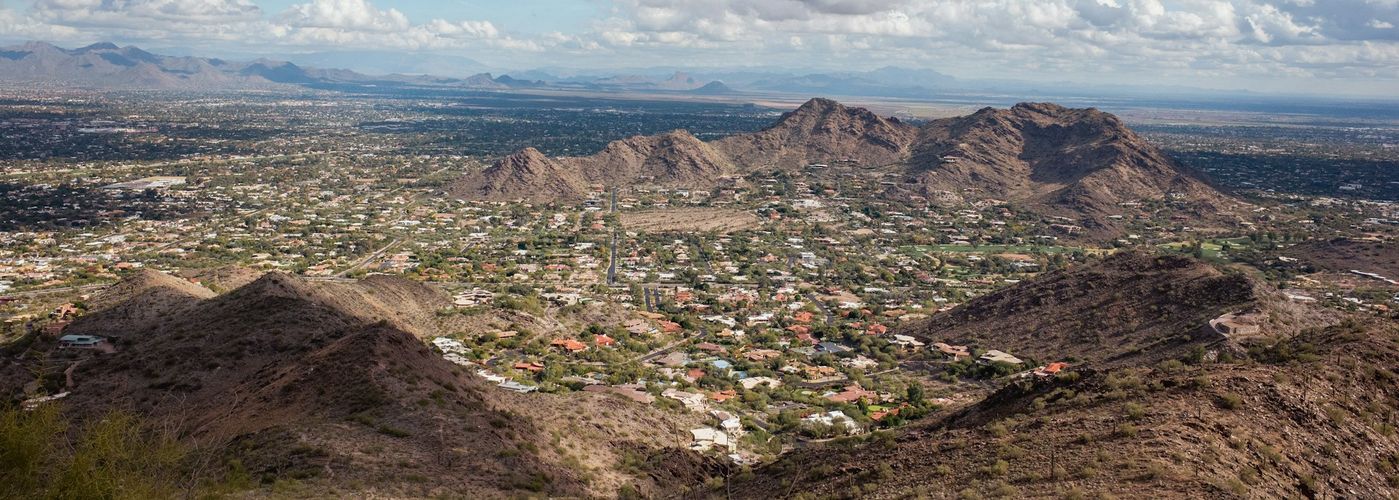
STR Investing in Scottsdale & Phoenix, AZ
The Scottsdale and Phoenix, Arizona short-term rental (STR) market presents a compelling investment opportunity, characterized by robust tourism,…
Avg. Nightly Rate
$240
Avg. Occupancy
64%
Avg. Property Price
$965,000
Source: AirDNA & public market data, 2025
In This Guide
About the Scottsdale & Phoenix, AZ Market
Executive Summary
The Scottsdale and Phoenix, Arizona short-term rental (STR) market presents a compelling investment opportunity, characterized by robust tourism, diverse demand drivers, and a dynamic real estate landscape. The investment thesis for this region is anchored in its consistent appeal as a premier destination for leisure and business travelers, supported by world-class amenities, vibrant cultural scenes, and a favorable climate. Scottsdale, in particular, stands out for its luxury market, attracting high-net-worth individuals and groups seeking upscale experiences, while Phoenix offers a broader range of opportunities with strong event-driven demand and more accessible price points. The unique blend of high-end tourism in Scottsdale and the expansive, event-rich environment of Phoenix creates a resilient and diversified STR ecosystem.
Key performance metrics across the combined market, as indicated by AirDNA, reveal an annual revenue of approximately $48,196, an Average Daily Rate (ADR) of $239.79, and an occupancy rate of 64%. These figures, coupled with a 62.0% revenue growth over the past year, underscore the market\'s stability and potential for appreciation. The market\'s investability score of 65 and rental demand score of 68 further highlight its attractiveness to investors. The region\'s ability to draw both seasonal "snowbirds" and year-round event-goers mitigates some of the seasonality risks often associated with tourism-dependent markets, ensuring a more consistent revenue stream throughout the year. This dual appeal, combining luxury tourism with event-driven demand, creates a robust and diversified investment environment.
This market is best suited for investors seeking diversified portfolios with exposure to both luxury and event-driven segments. Those looking for higher-yield, high-touch properties will find Scottsdale appealing, particularly in areas catering to golf, spa, and upscale dining. The demand for premium accommodations, often featuring private pools, game rooms, and high-end finishes, remains strong, attracting a demographic with significant disposable income. Conversely, investors focused on consistent occupancy driven by sports, concerts, and university events will find strong prospects in Phoenix and its surrounding submarkets. These areas benefit from a steady influx of visitors attending major events, providing reliable booking calendars. The regulatory environment, while evolving and requiring careful navigation, is manageable with proper due diligence and professional guidance, making this a viable and attractive market for strategic STR investment across various property types and price points. The market's resilience is further bolstered by its strong economic fundamentals and continuous population growth.
Market Performance Data
The short-term rental market in Scottsdale and Phoenix demonstrates a compelling performance profile, characterized by solid revenue generation and consistent demand. The combined market, according to AirDNA, reports an overall Market Score of 50, an Investability Score of 65, and a Rental Demand Score of 68. These scores reflect a healthy environment for STR operations, indicating both current attractiveness and future potential, especially when compared to national averages which often show lower overall performance metrics. The market's resilience is further evidenced by its ability to maintain strong occupancy and ADRs even amidst evolving economic conditions.
Overall Market Performance
Annual Revenue
$48,196
+2.5%
Total Active Listings
23572
-1.7%
Average Daily Rate (ADR)
$239.79
+1.2%
Occupancy Rate
64%
+0.3%
Detailed ADR Breakdown
Average Daily Rate
$239.79
per night
Entire Place ADR
$257.88
per night
Professionally Managed ADR
$312.12
per night
Luxury ADR
$527.24
per night
Detailed Revenue Breakdown
Average Revenue
$48.2K
per year
Entire Place Revenue
$51.6K
per year
House Revenue
$55.5K
per year
Apartment Revenue
$33.1K
per year
The combined market\'s annual revenue of $48,196 with a 62.0% growth over the past year indicates a robust and expanding market. This growth is particularly noteworthy given the dynamic nature of the STR industry. The Average Daily Rate (ADR) of $239.79 is highly competitive, especially when considering the significantly higher ADRs for entire places ($257.88) and professionally managed properties ($312.12). This disparity highlights the premium guests are willing to pay for privacy, space, and high-quality service. Luxury properties, in particular, command a substantially higher ADR of $527.24, suggesting a strong and consistent demand for premium accommodations, predominantly found in Scottsdale. The overall occupancy rate of 64% demonstrates consistent demand, aligning with the region\'s appeal as a year-round destination for both leisure and business travelers.
Comparing these figures to national averages, the Scottsdale and Phoenix market consistently outperforms in terms of ADR and RevPAR, particularly within its luxury and professionally managed segments. The RevPAR (Revenue per Available Rental) trajectory, while not explicitly detailed for the combined market, can be inferred from the positive growth in both ADR and occupancy. For instance, Scottsdale\'s RevPAR increased by 6% over the past year, reaching $210.4, while Phoenix saw a similar 6% increase to $116.4. This upward trend in RevPAR signifies improved profitability and efficient utilization of STR assets, indicating a healthy return on investment for well-managed properties. The slight decrease in total active listings (-1.7%) suggests a market that is stabilizing after previous rapid growth, potentially leading to less supply-side pressure and more favorable conditions for existing operators and new entrants who strategically position their properties.
The detailed breakdown of ADR by property type and management style provides crucial insights for investors. The higher ADR for professionally managed properties underscores the value of expert management in optimizing pricing strategies, enhancing guest experience, and ensuring operational efficiency. This is a key differentiator in a competitive market. The strong performance of entire place rentals over private rooms further emphasizes guest preference for privacy and dedicated space, a common trend in vacation rental markets. The sustained growth in revenue and ADR, despite a minor dip in luxury ADR, points to a resilient market with diverse segments contributing to its overall health. Investors should focus on properties that align with these demand patterns, prioritizing entire homes and considering professional management to maximize returns and mitigate operational challenges. Understanding these metrics allows investors to tailor their property acquisition and management strategies for optimal financial performance.
Submarket & Neighborhood Analysis
The Scottsdale and Phoenix metropolitan area is comprised of diverse submarkets, each offering unique characteristics, price points, and investor appeal for short-term rentals. Understanding these nuances is crucial for strategic investment decisions. The following table provides a comparative overview of key submarkets based on AirDNA data:
Submarket Comparison
| Submarket | Score | Revenue | Occupancy | RevPAR | ADR |
|---|---|---|---|---|---|
| West Phoenix | 91 | $20K | 64% | $54 | $103 |
| Tonopah | 84 | $22K | 74% | $61 | $93 |
| San Tan Valley | 80 | $33K | 65% | $91 | $173 |
| Casa Grande | 78 | $26K | 62% | $71 | $142 |
| Gilbert | 77 | $44K | 67% | $122 | $230 |
| Peoria | 71 | $37K | 63% | $101 | $192 |
| Central | 70 | $31K | 66% | $84 | $148 |
| Maricopa | 69 | $28K | 60% | $76 | $160 |
| Chandler | 69 | $38K | 68% | $105 | $189 |
| Queen Creek | 68 | $34K | 62% | $94 | $202 |
| Encanto / Alhambra | 68 | $28K | 67% | $77 | $140 |
| Deer Valley | 67 | $45K | 63% | $122 | $232 |
| Ahwatukee Foothills | 66 | $37K | 65% | $102 | $194 |
| Westbrook Village | 65 | $39K | 62% | $106 | $214 |
| Glendale | 64 | $34K | 58% | $93 | $191 |
| Scottsdale | 63 | $57K | 64% | $157 | $297 |
| Camelback East | 60 | $38K | 67% | $104 | $195 |
| Desert View | 60 | $64K | 65% | $176 | $352 |
| Litchfield Park | 60 | $34K | 62% | $93 | $194 |
| North Gateway | 59 | $44K | 61% | $122 | $249 |
| Surprise | 59 | $33K | 65% | $90 | $177 |
| Mesa | 58 | $38K | 65% | $104 | $199 |
| Buckeye | 58 | $24K | 65% | $65 | $132 |
| Camelback Ranch | 57 | $31K | 59% | $84 | $177 |
| Tolleson | 56 | $24K | 58% | $65 | $145 |
| Tempe | 56 | $33K | 69% | $91 | $159 |
| Wickenburg | 55 | $20K | 53% | $54 | $150 |
| Apache Junction | 54 | $27K | 58% | $75 | $204 |
| Goodyear / Avondale | 52 | $37K | 62% | $102 | $206 |
| Laveen | 52 | $25K | 62% | $70 | $149 |
| Camp Creek | 51 | $98K | 58% | $268 | $578 |
| Paradise Valley | 50 | $48K | 60% | $131 | $270 |
Scottsdale: Within Scottsdale, areas like North Scottsdale, Kierland, and DC Ranch are prime for luxury STRs, attracting golf groups, corporate retreats, and multi-family reunions. Properties here, often single-family homes and villas with private pools and game rooms, command ADRs of $450-$900+ during peak season, generating annual revenues of $90,000-$150,000+ for 4-5 bedroom homes. Old Town Scottsdale is a high-revenue submarket driven by bachelorette parties and event demand. Condos and townhomes within walking distance to nightlife and galleries in this area can generate $55,000-$75,000 annually for 2-bedroom units, benefiting from year-round demand that intensifies in spring and fall. The overall Scottsdale STR market boasts average occupancy rates of 68-75% annually, with peak months exceeding 85%, and an average nightly rate of $285. These submarkets are characterized by high property values and a discerning clientele, requiring premium finishes and exceptional guest services.
Phoenix: Phoenix offers a broader range of investment opportunities, often with more accessible entry points. The Arcadia neighborhood stands out for strong performance from properties with renovated kitchens, private pools, and indoor-outdoor living spaces, often achieving occupancy rates 5-8% above the area average. This area attracts a mix of luxury and family travelers. Areas near Arizona State University, Tempe Town Lake, and various sports venues, such as the South Scottsdale/Tempe Border, drive strong occupancy due to events, offering competitive yields despite lower ADRs due to lower acquisition costs ($500,000-$750,000). These submarkets are ideal for investors targeting event-driven demand and a younger demographic. Properties with mountain or golf course views, private pools, and outdoor kitchens, especially near Kierland Commons, also perform strongly, blending luxury with convenience. The diverse submarkets within Phoenix cater to different investor strategies, from value-oriented to event-driven, providing a wide array of options for various investment goals.
Other notable submarkets in the broader Phoenix/Scottsdale area include West Phoenix (Score: 91, Revenue: $20K, Occupancy: 64%, RevPAR: $54, ADR: $103), Tonopah (Score: 84, Revenue: $22K, Occupancy: 74%, RevPAR: $61, ADR: $93), and San Tan Valley (Score: 80, Revenue: $33K, Occupancy: 65%, RevPAR: $91, ADR: $173). These areas, while potentially offering lower ADRs, can provide attractive cash flow opportunities given their investability scores and rental demand. They often represent emerging markets or areas with a strong local demand base, making them suitable for investors seeking higher cap rates and long-term growth. Investors should carefully evaluate the specific characteristics of each submarket, including local amenities, demand drivers, property types, and future development plans, to align with their investment goals and risk tolerance. Understanding the micro-market dynamics within each submarket is crucial for identifying undervalued assets and optimizing rental performance.
Tourism & Demand Drivers
The robust tourism sector is the primary engine fueling the short-term rental market in Scottsdale and Phoenix. Scottsdale alone attracts over 11 million visitors annually, comprising 4.9 million domestic overnight travelers and 1.7 million international visitors, contributing a substantial $3.7 billion to the local economy. This high volume of visitors ensures a consistent demand for diverse accommodation options, particularly STRs that offer unique experiences beyond traditional hotels. The region benefits from over 300 days of sunshine per year, making it an attractive destination year-round and minimizing seasonal downtime often experienced in other markets.
Major attractions and events serve as significant demand drivers, drawing millions of tourists and business travelers to the region. Scottsdale is renowned for its world-class golf courses, luxury resorts, vibrant spa scene, and high-end shopping, drawing a demographic of luxury visitors with a median age of 49 and a median household income of $218,000. These affluent visitors spend an average of $716 daily on-property and often return multiple times a year (75% return rate), indicating strong satisfaction and repeat business potential. Phoenix complements this with a diverse calendar of events, including major sporting events (e.g., Super Bowl, NCAA Final Four, Phoenix Suns, Arizona Cardinals games), large-scale concerts, and numerous university-related activities (Arizona State University). These events create concentrated periods of exceptionally high demand, particularly in submarkets proximate to venues and campuses, allowing for premium pricing and high occupancy rates.
Seasonality patterns are present but are significantly mitigated by the region\'s diverse appeal and year-round attractions. The cooler winter months (November-March) attract a substantial influx of "snowbirds" seeking refuge from colder climates, filling properties for extended stays. Spring brings an additional surge of visitors, including spring breakers and golf enthusiasts (February-April), who flock to the region for its renowned courses and vibrant atmosphere. The summer months, despite higher temperatures, maintain a steady demand due to indoor attractions, resort activities, and more budget-conscious travelers who can take advantage of slightly lower rates. This blend of year-round attractions and distinct seasonal peaks creates a balanced demand profile, allowing for dynamic pricing strategies to maximize occupancy and revenue throughout the year, rather than experiencing sharp troughs.
Both Scottsdale and Phoenix benefit from a strategic geographic location that generates a healthy mix of drive-to and fly-to demand. Phoenix Sky Harbor International Airport (PHX) serves as a major air gateway, handling over 51 million passengers in 2025 and offering direct flights to numerous domestic and international destinations. This robust air connectivity facilitates fly-to tourism from across the globe. The region\'s accessibility via major interstate highways also supports significant drive-to traffic from neighboring states like California, Nevada, and New Mexico, particularly for weekend getaways and short breaks. The demographic profile of visitors is broad and varied, ranging from luxury travelers and corporate groups in Scottsdale to families, event-goers, and students\' families in Phoenix. This diverse visitor base contributes significantly to the resilience of the STR market, as it is not overly reliant on a single demographic or travel purpose, making it less vulnerable to shifts in any one segment.
The unique investment angles further highlight the strength and diversity of these demand drivers. Scottsdale\'s luxury market thrives on high-end experiences, with properties near golf courses and resorts commanding premium rates and attracting a clientele that values exclusivity and amenities. Phoenix, on the other hand, effectively leverages its extensive event calendar and proximity to major institutions like ASU, driving consistent occupancy in areas like South Scottsdale/Tempe Border. The combined market offers a spectrum of opportunities, from high-yield luxury properties to more affordable, event-driven rentals, all underpinned by a robust and diversified tourism economy. This broad appeal ensures a continuous flow of guests, supporting strong rental performance across various property types and locations.
Why Invest in Scottsdale & Phoenix, AZ?
Real Estate Market Analysis
The real estate markets in Scottsdale and Phoenix present distinct characteristics that profoundly influence Short-Term Rental (STR) investment strategies. Both cities are considered somewhat competitive, but their price points, growth trajectories, and available property types vary significantly, offering different entry points and potential returns for investors. A thorough understanding of these market dynamics is crucial for making informed acquisition decisions.
In Scottsdale, the housing market remains exceptionally robust and highly desirable, particularly in the luxury segment. As of March 2026, the median sale price of a home in Scottsdale was $965,000, marking a substantial 9.7% increase year-over-year. This strong appreciation reflects sustained demand and the city's appeal as a premium residential and vacation destination. The median sale price per square foot stands at $430, up 3.1% from the previous year, indicating healthy property value growth. Homes typically receive one offer and sell in approximately 58 days, a slight increase from 57 days last year, suggesting a balanced but still competitive market. The average home value, according to Zillow (updated April 30, 2026), is $858,307, showing a 1.8% increase over the past year, with homes going to pending in around 32 days. The median list price in April 2026 was $1,099,000, underscoring the high entry barrier for investors. The luxury market (homes priced at $2 million or more) has seen a significant 17.1% increase in dollar volume, indicating strong demand for high-end properties that align well with Scottsdale's luxury STR market. Property types available range from opulent single-family homes and sprawling villas to upscale condos and townhomes, catering to a diverse buyer pool. The overall cost of living in Scottsdale is 15% higher than the national average, which translates to higher operational costs for STRs but also supports premium rental rates.
Conversely, the Phoenix housing market, while also competitive, generally offers a more accessible entry point for investors. In March 2026, the median sale price of a home in Phoenix was $460,000, experiencing a decrease of 5.2% since last year. The median sale price per square foot is $282, up 0.9% year-over-year. Homes typically receive one offer and sell in around 51 days, a slight increase from 50 days last year. The average home value, according to Zillow (updated April 30, 2026), is $411,323, showing a 2.4% decrease over the past year, with homes going to pending in around 23 days. The median list price dropped to $469,838, and active inventory grew, suggesting a potential shift towards a buyer\'s market in some segments, offering more negotiation power for investors. The luxury real estate market in Phoenix saw new listings in Q1 2025 increase by 17% year-over-year, indicating growth in the higher-end segment as well. Property types are diverse, including single-family homes, townhouses, and condos, with a wider range of price points compared to Scottsdale, making it suitable for a broader spectrum of investment budgets. The overall cost of living in Phoenix is 5% higher than the national average, which is more moderate than Scottsdale, potentially leading to lower operational expenses for STRs.
Cap rate expectations vary significantly between the two markets and depend heavily on property type, specific location, and management efficiency. In Scottsdale\'s luxury segment, while Average Daily Rates (ADRs) are high, acquisition costs are also substantial, potentially leading to moderate cap rates that prioritize capital appreciation over immediate cash flow. Investors in Scottsdale often seek long-term value growth. In Phoenix, more affordable entry points might offer higher cap rate potential, especially in areas with strong event-driven demand and lower property acquisition costs. Inventory trends show a slight increase in active listings in Phoenix, which could offer more opportunities for investors to find deals, while Scottsdale\'s market remains tight, particularly for highly desirable properties. Days on market figures (58 days in Scottsdale, 51 days in Phoenix) indicate a relatively quick sales cycle in both areas, reflecting healthy buyer interest. Investors should conduct detailed pro forma analyses for specific properties, considering local market dynamics, potential rental income, operating expenses (including property taxes and insurance), and financing costs to accurately project cap rates and overall investment returns. Understanding these real estate market nuances is fundamental to developing a successful STR investment strategy in the region.
Investment Strategy & Property Selection
Developing a sound investment strategy and selecting the right property are paramount for success in the Scottsdale and Phoenix STR market. The diverse nature of these markets allows for various approaches, but certain property types, bedroom counts, and amenities consistently outperform. Understanding the unique investment angles of each city is key to maximizing returns.
In Scottsdale, the luxury market dictates a focus on high-end properties, primarily single-family homes and villas, especially in areas like North Scottsdale, Kierland, and DC Ranch. These properties cater to golf groups, corporate retreats, and multi-family reunions. Optimal bedroom counts for this segment typically range from 4 to 5+ bedrooms, as larger groups seek spacious accommodations. Must-have amenities include private pools, hot tubs, game rooms, outdoor kitchens, and high-speed internet. For Old Town Scottsdale, condos and townhomes with 1-2 bedrooms, within walking distance to nightlife and entertainment, are ideal for bachelorette parties and event-driven demand. Pricing strategy should be dynamic, leveraging peak season demand (February-April, November-March) to command premium rates, while offering competitive pricing during off-peak times. Professional management is highly recommended to handle the complexities of luxury guest expectations and dynamic pricing.
Phoenix offers a broader spectrum of opportunities. While single-family homes with private outdoor spaces and modern interiors perform well in neighborhoods like Arcadia, the market also supports condos and townhomes near event venues and universities. For event-driven demand, properties with 1-3 bedrooms are often preferred. Key amenities across Phoenix include private pools, dedicated parking, renovated kitchens, and indoor-outdoor living spaces. Proximity to Arizona State University, Tempe Town Lake, and various sports arenas drives strong occupancy. Pricing strategies should account for major events, with surge pricing during concert weekends, sports tournaments, and university events. Management considerations should include efficient turnover processes and robust marketing to capture diverse guest segments.
Optimal bedroom counts vary by submarket and target demographic. For luxury family or group travel in Scottsdale, 4-5+ bedrooms are ideal. For couples or smaller groups in Old Town Scottsdale or event-centric Phoenix, 1-3 bedrooms are more suitable. Must-have amenities are crucial for competitive positioning; a private pool is almost a necessity in the Arizona heat, along with high-speed Wi-Fi, a well-equipped kitchen, and comfortable outdoor living spaces. For luxury properties, unique features like home theaters, putting greens, or elaborate outdoor entertainment areas can significantly boost ADR and occupancy.
Effective pricing strategy involves a combination of dynamic pricing software, understanding seasonal demand, and monitoring local events. Management considerations include choosing between self-management, which offers greater control but demands significant time, or professional property management, which can optimize pricing, marketing, and guest services, especially for out-of-state investors or those with multiple properties. Given the increasing regulatory scrutiny, professional management can also ensure compliance with local ordinances and tax obligations, mitigating potential risks.
Financing Considerations
Securing appropriate financing is a critical step for investors entering the Scottsdale and Phoenix STR market. Traditional residential mortgages may not always be suitable for investment properties, particularly those intended for short-term rentals. Investors should explore specialized loan products designed for income-generating properties, such as Debt Service Coverage Ratio (DSCR) loans, which are becoming increasingly popular in the STR space.
DSCR loans are a non-qualified mortgage (non-QM) option that qualifies borrowers based on the cash flow generated by the investment property rather than personal income. This is particularly advantageous for STR investors, as the projected rental income can be used to demonstrate the property\'s ability to cover its mortgage payments. Lenders typically look for a DSCR of 1.20x or higher, meaning the property\'s net operating income is at least 120% of its debt service. This type of financing often allows for higher loan-to-value (LTV) ratios compared to conventional investment property loans, though typical LTVs for STRs might range from 70% to 80%, requiring a down payment of 20% to 30%.
Property tax implications for STRs versus traditional residential properties can differ significantly. In Arizona, properties used for commercial purposes, including STRs, may be assessed differently than owner-occupied or long-term rental residential properties, potentially leading to higher property tax burdens. Investors must research the specific property tax classifications and rates in Scottsdale and Phoenix to accurately project operating expenses. Furthermore, insurance considerations are vital; standard homeowner\'s insurance policies typically do not cover commercial activities like STRs. Investors must secure specialized STR insurance policies that provide coverage for liability, property damage, and loss of income due to unforeseen events, ensuring adequate protection for their investment.
Risk Assessment
Investing in the Scottsdale and Phoenix STR market, while promising, is not without its risks. A comprehensive understanding and proactive mitigation strategies are essential for long-term success. Key risks include natural disasters, regulatory changes, supply saturation, and economic concentration.
Natural Disaster Risks: Both Scottsdale and Phoenix are susceptible to extreme heat and prolonged droughts, which can lead to water shortages and increased fire risk, particularly in outlying areas. While widespread wildfires are not common in the urban core, flash floods during monsoon season are a significant concern. Scottsdale, for instance, has a high flood risk score of 58 according to Augurisk. Mitigation strategies include securing comprehensive insurance policies that cover flood and fire, implementing smart home technology for remote monitoring of temperatures and water leaks, and ensuring properties are well-maintained to withstand extreme weather conditions.
Regulatory Risk: This is a substantial and evolving risk. Both cities have tightened STR regulations, moving towards stricter permitting, licensing, and enforcement. Scottsdale requires annual city licenses, liability insurance, and neighbor notification, while Phoenix has transitioned to a permitting system with significant penalties for non-compliance ($1,000 for every 30 days of unauthorized operation). The regulatory trajectory indicates a trend towards increased oversight, driven by concerns over nuisance properties and community impact. Furthermore, HOA rules often supersede city regulations, with many HOAs prohibiting or severely restricting STRs. Mitigation involves thorough due diligence on local ordinances and HOA CC&Rs before purchase, maintaining strict compliance, and budgeting for potential legal fees or fines. Staying informed about legislative changes is crucial.
Supply Saturation Risk: The STR market in both cities has experienced significant growth, leading to concerns about supply saturation. Scottsdale\'s STR supply grew by approximately 18% in 2024, and Phoenix saw a 15% growth in 2024-2025. This increased competition can lead to declining performance for properties that are not professionally managed, well-maintained, and dynamically priced. Mitigation strategies include investing in unique properties with desirable amenities, focusing on niche markets (e.g., luxury, event-specific), implementing sophisticated dynamic pricing strategies, and ensuring high-quality marketing and guest experiences to stand out in a crowded market.
Economic Concentration Risk: While both Scottsdale and Phoenix benefit from diversified economies, over-reliance on tourism can pose a risk during economic downturns or unforeseen events that impact travel. Scottsdale\'s economy is diversified across IT, financial services, healthcare, and tourism, reducing over-reliance on a single sector. Phoenix also boasts a diverse economy including manufacturing, technology, healthcare, and finance. This diversification helps mitigate the risk of a severe economic downturn impacting the STR market. However, investors should still monitor economic indicators and maintain a diversified portfolio to buffer against potential shocks.
Conclusion & Investment Verdict
The Scottsdale and Phoenix, Arizona short-term rental market presents a compelling and dynamic investment landscape for discerning investors. Characterized by robust tourism, diverse demand drivers, and a resilient real estate market, the region offers significant opportunities for both high-yield luxury properties in Scottsdale and event-driven, value-oriented investments in Phoenix. The continuous influx of visitors, supported by world-class attractions, major events, and excellent infrastructure, underpins a strong and consistent demand for STR accommodations.
While the market offers attractive returns, successful investment hinges on a strategic approach to property selection, diligent navigation of the evolving regulatory environment, and proactive risk management. Investors must conduct thorough due diligence on local ordinances and HOA restrictions, prioritize properties with desirable amenities, and consider professional management to optimize performance and ensure compliance. The slight decrease in active listings and sustained revenue growth suggest a maturing market where well-positioned and professionally managed properties are poised for continued success.
Investment Verdict: The Scottsdale and Phoenix STR market is a Strong Buy for investors who are prepared to engage in meticulous market research, understand submarket nuances, and commit to professional property management and regulatory compliance. The region\'s enduring appeal as a premier destination, coupled with its diversified economic base, provides a solid foundation for long-term capital appreciation and consistent rental income. Investors focusing on luxury segments in Scottsdale or event-driven opportunities in Phoenix, with a clear understanding of associated risks and mitigation strategies, are likely to achieve superior returns.
STR Regulations in Scottsdale & Phoenix, AZ
Regulatory Environment & Compliance
The regulatory landscape for Short-Term Rentals (STRs) in Scottsdale and Phoenix, Arizona, is dynamic and requires thorough understanding and strict adherence to avoid significant penalties. Both cities have implemented measures to manage the growth and impact of STRs, moving towards more structured permitting and compliance frameworks. A critical aspect for investors is the understanding that city regulations do not supersede Homeowners Association (HOA) rules; thus, comprehensive due diligence on specific property Covenants, Conditions, and Restrictions (CC&Rs) is paramount before investment. This dual layer of regulation necessitates careful legal review and proactive compliance to avoid costly infractions.
In Scottsdale, all properties offered for rent for less than 30 days require an annual city license, costing $250 per property. This license must be obtained before the property can be advertised or rented. A Transaction Privilege Sales Tax (TPT) license from the Arizona Department of Revenue (ADOR) is also a mandatory prerequisite, ensuring proper collection and remittance of state and local sales taxes. Within 30 days of receiving the city license or any change in contact information, owners are legally mandated to notify all adjacent and diagonally across-the-street single-family residential properties, or all units on the same floor in multi-family buildings. This notification must include the STR license number, physical address, and a 24-hour emergency contact, fostering community awareness and accountability. Furthermore, a minimum of $500,000 in liability insurance is compulsory to protect against potential guest-related incidents, and strict pool barrier requirements are enforced to ensure safety. Registration with Maricopa County is also required, adding another layer of oversight. Scottsdale explicitly prohibits nuisance parties and unlawful gatherings, with occupancy strictly limited to a single family of one to six adults and their dependent children, aiming to preserve neighborhood tranquility. A prominently displayed notice inside the property detailing fire/life safety equipment and waste disposal regulations is also required, emphasizing guest safety and environmental responsibility.
Phoenix has transitioned from a simpler registration to a more stringent permitting requirement for all STR properties, reflecting a growing emphasis on oversight and control. The initial and renewal fee for each permit is $250 and is non-refundable. Applications are processed exclusively through the SHAPE PHX Portal, streamlining the administrative process. Owners are required to display their STR permit/license number on all advertisements for the STR, ensuring transparency and accountability. Permits can be suspended for 12 months if the STR accumulates three court-adjudicated violations within a 12-month period, or if there is one conviction of felonies or other serious crimes within one year, highlighting the city's commitment to enforcing responsible operation. Operating an STR without a permit incurs a substantial penalty of $1,000 for every 30 days of unauthorized operation, making compliance economically imperative. A TPT license from the Arizona Department of Revenue is also mandatory. New regulations, effective November 6, 2023, with enforcement beginning January 15, 2024, formalized this permitting process. Additionally, a notice effective April 4, 2026, stipulates that for STRs on properties with an accessory dwelling unit (ADU) for which a certificate of occupancy was issued on or after September 14, 2024, the property owner must submit a notarized attestation confirming their residency on the same property, with proof of address required in combination with the notarized attestation. This aims to prevent the proliferation of investor-owned, non-resident STRs in certain contexts.
Tax obligations for STR owners in both cities are multifaceted and include lodging tax, state and local sales tax (TPT), and property tax. Investors must meticulously factor in these taxes, which can significantly impact profitability and cash flow. For instance, lodging taxes are typically passed on to guests but require accurate collection and remittance. Property tax implications for STRs versus traditional residential properties can differ significantly; in Arizona, properties used for commercial purposes, including STRs, may be assessed differently than owner-occupied or long-term rental residential properties, potentially leading to higher property tax burdens. Investors must research the specific property tax classifications and rates in Scottsdale and Phoenix to accurately project operating expenses. HOA considerations are particularly stringent; many communities, especially in luxury areas like North Scottsdale and certain Phoenix condo developments, explicitly ban rentals under 30 days. Failure to comply can lead to substantial fines, with instances of nearly $10,000 fines cited, and even forced cessation of STR operations. The regulatory trajectory in both cities indicates a clear trend towards stricter enforcement and more comprehensive oversight, driven by concerns over nuisance properties, neighborhood character, and housing affordability. Investors should anticipate continued evolution of these regulations and build compliance costs, potential legal fees, and the need for ongoing monitoring into their financial models. Proactive engagement with local regulations and community guidelines is essential for sustainable STR investment in this region.
Financing Options for Scottsdale & Phoenix, AZ
DSCR Loans
Qualify based on rental income, not personal income. The go-to loan for short-term rental investors who want to scale their portfolio without W-2 limitations.
- No personal income verification
- Based on property cash flow (DSCR ratio)
- Close in as few as 21 days
2nd Home Conventional
Finance vacation homes you also rent part-time. Ideal for owners who use their STR property personally and want flexible terms.
- As little as 10% down
- Personal use + rental income
- Fixed and adjustable options
Related Resources
DSCR Loans 101: The Complete Guide for STR Investors
Everything you need to know about DSCR loans for short-term rental properties. How they work, who qualifies, and why they are the go-to financing option for Airbnb and VRBO investors.
The Complete Guide to Financing Short-Term Rental Properties
A comprehensive guide to financing your short-term rental investment. Compare DSCR loans, conventional mortgages, and other options to find the right fit for your STR strategy.
Ready to Invest in Scottsdale & Phoenix, AZ?
Get pre-approved for STR financing and start building your portfolio.