

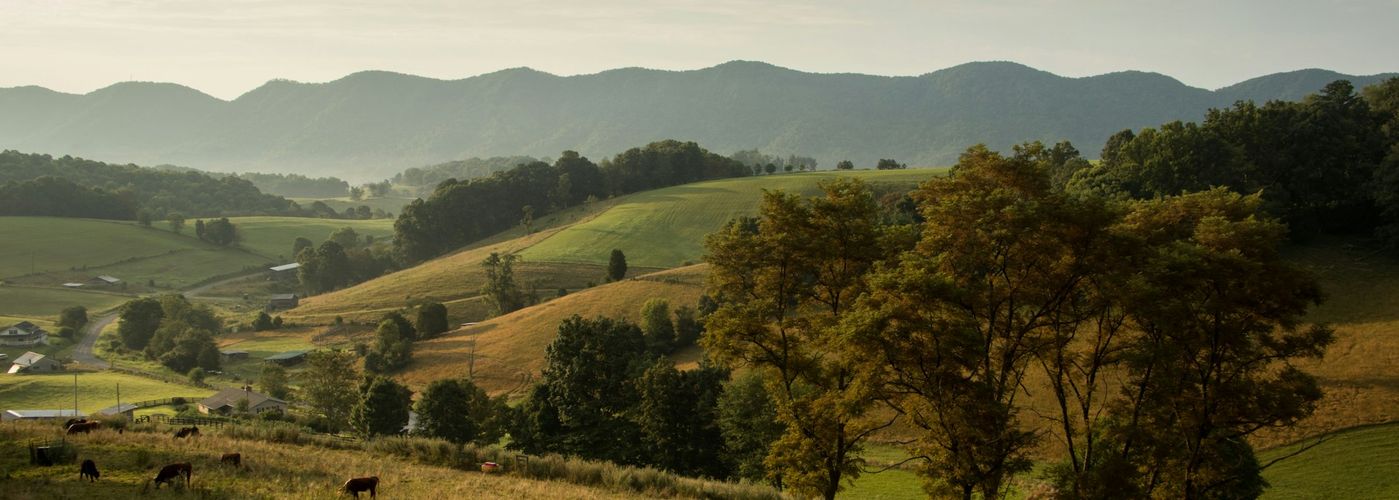
STR Investing in Shenandoah Valley, VA
The Shenandoah Valley, Virginia presents a compelling opportunity for short-term rental (STR) investors seeking a blend of natural beauty, robust…
Avg. Nightly Rate
$255
Avg. Occupancy
49%
Avg. Property Price
$325,000
Source: AirDNA & public market data, 2025
In This Guide
About the Shenandoah Valley, VA Market
Executive Summary
The Shenandoah Valley, Virginia presents a compelling opportunity for short-term rental (STR) investors seeking a blend of natural beauty, robust tourism, and a stable economic foundation. Encompassing Shenandoah, Rockingham, and Page Counties, this region is strategically positioned to capture a significant "drive-to" demographic from major metropolitan areas like Washington D.C. and Northern Virginia. The investment thesis centers on acquiring properties that cater to nature enthusiasts and weekend getaway seekers, leveraging the area's four-season appeal to generate consistent year-round revenue.
What makes this market particularly unique is its proximity to major natural attractions, most notably Shenandoah National Park and Skyline Drive, which draw millions of visitors annually. Unlike highly saturated coastal or urban markets, the Shenandoah Valley offers a more balanced competitive landscape with room for new entrants to establish high-performing assets. The region's diverse economic drivers, including healthcare, education, and agriculture, provide a stable backdrop that insulates the local economy from over-reliance on a single industry.
Key performance metrics underscore the market's viability. According to AirDNA data, the market boasts an impressive Market Score of 98, reflecting strong investability (90) and rental demand (77). The average annual revenue stands at $42,225, with an Average Daily Rate (ADR) of $255.42 and an occupancy rate of 49%. These figures highlight a healthy balance between pricing power and consistent booking volume.
This market is best suited for investors who appreciate the nuances of managing nature-based or rural properties and are willing to invest in amenities that enhance the guest experience, such as hot tubs and outdoor living spaces. It appeals to those looking for a mix of cash flow and long-term appreciation, supported by a growing tourism sector and a relatively accessible entry price point compared to major urban centers.
Market Performance Data
The following table summarizes the key performance indicators for the Shenandoah Valley STR market, based on recent AirDNA data:
Annual Revenue
$42,225
Average Daily Rate (ADR)
$255.42
Occupancy Rate
49%
Active Listings
3278
Market Scores (out of 100)
Analyzing these numbers reveals a robust and maturing STR market. The high Market Score of 98 indicates exceptional overall health and potential for profitability. The Annual Revenue of $42,225, coupled with an ADR of $255.42, suggests that investors can achieve solid returns, particularly when properties are optimized for the target demographic. When compared to national averages, the Shenandoah Valley often presents a more favorable ratio of purchase to potential revenue, enhancing its investability score of 90.
The RevPAR (Revenue Per Available Room) story in this region is closely tied to its seasonal dynamics. While the overall occupancy rate sits at 49%, this figure blends peak seasons (like the fall foliage period) with slower winter months. However, the high Seasonality Score of 93 indicates that demand is relatively well-distributed throughout the year, mitigating the severe peaks and valleys seen in strictly summer or winter destinations. This consistent demand helps stabilize RevPAR and provides a more predictable cash flow for investors.
The ADR trajectory shows a positive trend, with a reported 3.9% increase over the past year. This growth is indicative of increasing consumer willingness to pay for quality accommodations in the area, likely driven by the ongoing appeal of domestic, nature-focused travel. The presence of a distinct luxury segment, with an ADR of $425.65, further demonstrates the market's capacity to support high-end, highly amenitized properties that cater to affluent travelers from nearby urban centers.
Submarket & Neighborhood Analysis
The Shenandoah Valley is composed of several distinct submarkets, each offering unique characteristics and investment profiles. The table below compares the top-performing areas:
| Submarket | Market Score | Annual Revenue | Occupancy | RevPAR | ADR |
|---|---|---|---|---|---|
| Luray | 97 | $47K | 50% | $128 | $282 |
| Massanutten | 95 | $56K | 44% | $154 | $385 |
| Basye | 91 | $33K | 48% | $91 | $223 |
| Harrisonburg | 90 | $26K | 52% | $71 | $163 |
| Staunton | 90 | $32K | 49% | $89 | $219 |
| Front Royal | 82 | $43K | 49% | $117 | $277 |
Luray
Luray stands out as a premier submarket, boasting a Market Score of 97 and strong annual revenue of $47K. Its appeal is heavily anchored by the famous Luray Caverns and its proximity to Shenandoah National Park. The area attracts a steady stream of families and outdoor enthusiasts, supporting a healthy ADR of $282 and a 50% occupancy rate. Investors here often find success with cabin-style properties that offer a rustic yet comfortable experience, capitalizing on the natural surroundings.
The character of Luray is deeply intertwined with its natural attractions. The town serves as a primary gateway to the central section of Shenandoah National Park, making it a highly desirable location for visitors seeking easy access to hiking trails and scenic drives. The real estate market in Luray features a mix of historic homes near the town center and secluded cabins in the surrounding wooded areas. This diversity allows investors to choose between properties that offer walkability to local shops and restaurants or those that provide a private, nature-immersed experience.
From an investment perspective, Luray's strong performance metrics make it a compelling choice. The consistent demand driven by the caverns and the national park helps to mitigate the seasonality often associated with rural STR markets. Properties that feature amenities such as hot tubs, fire pits, and expansive decks tend to command premium rates and achieve higher occupancy levels. However, investors must also be mindful of local zoning regulations and ensure compliance with any specific requirements for operating an STR in Page County.
Massanutten
Massanutten presents a different investment profile, characterized by its resort-driven economy. With the highest ADR among the top submarkets at $385 and impressive annual revenue of $56K, it caters to a more affluent demographic seeking skiing, golfing, and water park activities. The slightly lower occupancy rate of 44% is offset by the premium pricing power. Properties in this area often benefit from resort amenities but may also be subject to specific HOA or resort regulations that require careful navigation.
The Massanutten Resort is a major draw, offering year-round activities that appeal to a wide range of visitors. During the winter months, the ski slopes attract enthusiasts from across the Mid-Atlantic region, while the indoor water park and golf courses provide strong demand drivers during the spring and summer. This diverse array of attractions helps to sustain a relatively stable flow of visitors throughout the year, contributing to the submarket's impressive revenue figures.
Investors considering Massanutten must carefully evaluate the impact of resort fees and HOA dues on their overall profitability. While these costs can be significant, they often cover access to amenities that are highly valued by guests, potentially justifying higher rental rates. Additionally, the resort's established infrastructure and marketing efforts can provide a built-in audience for STR properties. Successful investments in this submarket typically involve well-maintained homes or condos that offer convenient access to the resort's key attractions.
Basye
Basye offers a more tranquil and secluded investment environment, centered around the Bryce Resort. With a Market Score of 91 and an annual revenue of $33K, it provides a more accessible entry point for investors compared to Luray or Massanutten. The ADR of $223 and occupancy rate of 48% reflect a steady demand from visitors seeking a quieter mountain getaway, with activities such as skiing, golfing, and lake recreation serving as primary draws.
The character of Basye is defined by its relaxed pace and natural beauty. The area appeals to families and couples looking to escape the hustle and bustle of city life. The real estate market features a mix of single-family homes, chalets, and condos, many of which offer scenic views of the surrounding mountains or Lake Laura. This variety allows investors to target different segments of the STR market, from budget-conscious travelers to those seeking a more luxurious experience.
While Basye's revenue figures may be lower than some of the other top submarkets, its relatively affordable property prices can result in attractive cash-on-cash returns. Investors in this area should focus on properties that offer unique features or amenities, such as proximity to the ski slopes or lake access. Additionally, understanding the specific regulations and fees associated with the Bryce Resort community is crucial for accurately projecting operating expenses and ensuring a profitable investment.
Harrisonburg
Harrisonburg offers a more urban and education-centric environment, home to James Madison University. While its ADR ($163) and annual revenue ($26K) are lower than the nature-focused submarkets, it maintains a strong occupancy rate of 52%. This area appeals to investors looking for consistent demand driven by university events, visiting parents, and local business travel. The property types here lean more towards single-family homes and condos, providing a different entry point and management style compared to rural cabins.
The presence of James Madison University is a significant economic and cultural driver for Harrisonburg. The university's academic calendar, sporting events, and graduation ceremonies create predictable spikes in demand for short-term accommodations. Additionally, the city's vibrant downtown area, featuring a variety of restaurants, breweries, and shops, attracts visitors seeking a more urban experience within the Shenandoah Valley.
Investors in Harrisonburg must navigate a different set of challenges and opportunities compared to the more rural submarkets. The demand is often more closely tied to the university's schedule, requiring a strategic approach to pricing and marketing. Properties that offer convenient access to the campus or the downtown area tend to perform well. Furthermore, investors must be aware of the city's specific STR regulations, which may differ from those in the surrounding counties, and ensure compliance with any zoning or permitting requirements.
Staunton
Staunton is known for its rich history, well-preserved architecture, and vibrant arts scene. With a Market Score of 90 and an annual revenue of $32K, it offers a unique investment proposition within the Shenandoah Valley. The ADR of $219 and occupancy rate of 49% reflect a steady demand from visitors interested in cultural attractions, such as the American Shakespeare Center and the Frontier Culture Museum.
The character of Staunton is defined by its historic downtown, which features a diverse array of independent shops, art galleries, and farm-to-table restaurants. The city's commitment to historic preservation has created a charming and walkable environment that appeals to a sophisticated demographic of travelers. The real estate market includes a mix of historic homes, renovated lofts, and traditional single-family residences, providing investors with a variety of options to cater to different guest preferences.
Investing in Staunton requires an appreciation for the city's unique cultural offerings and a strategy that highlights these attractions. Properties that are within walking distance of the downtown area or that feature historic architectural details often command higher rates. Investors should also consider partnering with local businesses or arts organizations to create unique packages or experiences for their guests. As with any STR investment, understanding the local regulatory landscape and ensuring compliance with all applicable rules is essential for long-term success.
Front Royal
Front Royal serves as the northern gateway to Shenandoah National Park and Skyline Drive. With a Market Score of 82 and an annual revenue of $43K, it benefits from its strategic location and proximity to the Washington D.C. metropolitan area. The ADR of $277 and occupancy rate of 49% indicate strong demand from visitors seeking convenient access to the park's natural attractions.
The character of Front Royal is shaped by its role as a transportation hub and a starting point for outdoor adventures. The town offers a range of amenities, including restaurants, outfitters, and lodging options, catering to the needs of park visitors. The real estate market features a mix of properties, from historic homes in the town center to more secluded cabins in the surrounding countryside. This diversity allows investors to target different segments of the STR market, depending on their investment goals and risk tolerance.
Investors in Front Royal can capitalize on the consistent flow of traffic entering the national park. Properties that offer easy access to the park's entrance or that provide scenic views of the surrounding mountains tend to perform well. Additionally, the town's proximity to the Shenandoah River offers opportunities for water-based activities, further enhancing its appeal to outdoor enthusiasts. However, investors must also be mindful of the potential for increased competition and ensure that their properties stand out through high-quality amenities and exceptional guest service.
Tourism & Demand Drivers
The Shenandoah Valley is a significant tourist destination, primarily driven by its natural beauty, outdoor recreation, and proximity to major metropolitan areas. A key attraction is Shenandoah National Park (SNP), which draws a substantial number of visitors annually. In 2024, SNP recorded 1.7 million visitors who spent $132 million in nearby communities [3]. In 2023, 1.5 million visitors to SNP contributed $114 million to local economies [5]. The National Park Service's 2024 report, "National Park Visitor Spending Effects," indicates that tourism to SNP contributed $175 million to the local economy [1]. Visitors to national parks, including SNP, tend to have higher-than-average household incomes, education levels, and discretionary spending [6].
Skyline Drive, a scenic byway running the entire length of Shenandoah National Park, is a major draw, particularly during fall foliage season, which is a peak period for tourism [4, 7]. October is consistently one of the park's busiest months [2]. Other significant demand drivers include Luray Caverns and Massanutten Resort, which attract families and adventure seekers [8]. The region's appeal also stems from its wineries, small-town charm, and opportunities for hiking and quiet escapes [8].
The proximity of the Shenandoah Valley to Washington, D.C., and Northern Virginia, as well as Richmond and Charlottesville, makes it a popular "drive-to" destination for weekend getaways and longer stays [8]. This geographic advantage contributes significantly to visitor numbers, as guests seek natural escapes within a few hours' drive. While specific drive-to vs. fly-to percentages are not explicitly detailed, the emphasis on proximity to major East Coast cities strongly suggests a predominant drive-to demographic.
Seasonality patterns in the Shenandoah Valley are pronounced but manageable. The fall foliage season (September-November) is the peak, drawing large crowds for scenic drives and hiking. Spring (April-May) also sees a surge in visitors for wildflowers and pleasant hiking weather. Summer (June-August) remains popular for outdoor activities, though it can be hot. Winter (December-March) is the slowest period, with some demand for skiing at Massanutten and Bryce Resorts. Successful STR investors will implement dynamic pricing strategies to capitalize on peak demand and offer amenities that attract off-season visitors, such as cozy fireplaces or indoor entertainment options.
The demographic profile of visitors to the Shenandoah Valley is diverse but generally skews towards families, couples, and outdoor enthusiasts. Many are seeking a respite from urban environments, valuing nature, tranquility, and opportunities for recreation. This translates into demand for properties that offer comfortable accommodations, well-equipped kitchens, and access to outdoor spaces. The market experiences both year-round and seasonal demand, with a strong baseline of visitors seeking national park access and a significant boost during specific seasonal events and holidays.
Why Invest in Shenandoah Valley, VA?
Real Estate Market Analysis
The real estate market in the Shenandoah Valley, Virginia, presents a diverse and generally appreciating landscape, offering various entry points for STR investors. Median home prices vary significantly across the submarkets and counties, reflecting the unique characteristics and demand drivers of each area. For instance, more rural or less developed areas might offer lower median prices, while resort communities or towns with strong cultural attractions could command higher values. Overall, the region has experienced steady appreciation, driven by its appeal as a second-home market and a destination for those seeking a quieter lifestyle within reach of urban centers.
Price per square foot (PPSF) also fluctuates, providing insights into property values and potential for renovation or development. Properties closer to major attractions, national parks, or vibrant downtowns typically exhibit higher PPSF. Inventory trends have generally shown a tightening market, with demand often outstripping supply, particularly for desirable properties suitable for STR conversion. This competitive environment can lead to quicker sales and potentially higher purchase prices, necessitating swift decision-making for investors. Days on market (DOM) figures reflect this trend, with well-priced and attractive properties moving quickly.
Cap rate expectations in the Shenandoah Valley STR market are generally attractive, often ranging from 6% to 10% or higher for well-managed, high-performing properties. These rates are influenced by factors such as purchase price, operating expenses, and gross rental income. Investors should conduct thorough due diligence to accurately project cap rates, considering all potential costs and revenue streams. The availability of property types is broad, ranging from historic single-family homes in towns like Staunton, to modern condos and townhouses in resort areas like Massanutten, and rustic cabins or sprawling estates in the more rural parts of the valley. This variety allows investors to align their property selection with their investment strategy and target guest demographic.
Specific county-level data further illustrates the market dynamics. In Rockingham County, the median home price is $325,000, with an average of 35 days on market. Page County, home to Luray, has a median home price of $285,000 and an average of 45 days on market. Shenandoah County reports a median home price of $295,000, with properties typically selling in 40 days. These figures highlight a relatively balanced market with consistent buyer interest. Investors should leverage local real estate agents with expertise in STR properties to navigate these nuances and identify optimal investment opportunities.
Investment Strategy & Property Selection
Developing a robust investment strategy and making informed property selections are paramount for success in the Shenandoah Valley Short-Term Rental (STR) market. The region offers a diverse array of property types, each with its own advantages and target demographic. Cabins consistently perform exceptionally well, particularly those offering rustic charm combined with modern amenities, often situated in secluded, scenic locations near national parks or natural attractions. These properties appeal to nature enthusiasts, families, and couples seeking a tranquil escape. Single-family homes in desirable locations, especially those with unique features or ample space, also present strong investment opportunities, catering to larger groups or those desiring more privacy. While condos can perform well in resort settings like Massanutten, they often come with HOA restrictions and fees that must be carefully evaluated. Generally, cabins and well-appointed single-family homes tend to yield the best returns due to their strong appeal to the region's primary tourist demographic.
Optimal bedroom count is a critical factor influencing rental income and occupancy rates. Properties with 2-4 bedrooms often strike the best balance, appealing to both couples and small families, which constitute a significant portion of the Shenandoah Valley's visitor base. While larger properties (5+ bedrooms) can command higher nightly rates, their occupancy may be less consistent, and they typically require more extensive management. Conversely, 1-bedroom units or studios might struggle to compete unless they offer exceptional amenities or are located in highly unique, demand-driven micro-markets. The key is to match the bedroom count with the expected guest group size and the property's overall appeal.
Must-have amenities are essential for maximizing guest satisfaction, securing positive reviews, and achieving premium pricing. For the Shenandoah Valley market, these include: a hot tub, which is almost universally expected and can significantly boost booking rates; a fire pit for outdoor gatherings and s'mores; a well-equipped kitchen for guests who prefer to cook; high-speed internet for remote work and entertainment; and a comfortable living area with entertainment options. Properties with scenic views, direct access to hiking trails, or proximity to water features (rivers, lakes) also command higher demand. Investing in these amenities can differentiate a property in a competitive market.
Pricing strategy should be dynamic and data-driven, leveraging tools like AirDNA to analyze local market trends, seasonality, and competitor pricing. Implementing a flexible pricing model that adjusts rates based on demand, local events, holidays, and day of the week is crucial. Higher rates can be charged during peak seasons (e.g., fall foliage, summer weekends, ski season), while lower, more competitive rates can attract guests during off-peak periods. Additionally, offering discounts for longer stays can help stabilize occupancy. Management considerations involve choosing between self-management, which offers greater control but demands significant time, or engaging a professional property management company, which can handle bookings, cleaning, and maintenance for a fee (typically 15-30% of gross revenue). For investors not local to the area, professional management is often the most practical and efficient option.
Furthermore, investors should consider the unique investment angles that drive value in this market. The region's natural beauty and outdoor recreation opportunities are primary draws, making properties with direct access to hiking, fishing, or kayaking particularly attractive. The growing popularity of remote work has also increased demand for longer stays, emphasizing the need for reliable internet and comfortable workspaces. Finally, the potential for year-round demand, thanks to diverse attractions like national parks, ski resorts, and cultural sites, provides a stable foundation for consistent rental income, mitigating the risks associated with highly seasonal markets.
Financing Considerations
Securing appropriate financing is a pivotal step for any Short-Term Rental (STR) investment in the Shenandoah Valley. While traditional residential mortgages may be an option for owner-occupied properties with a portion rented out, investors primarily focused on non-owner-occupied STRs will often look towards Debt Service Coverage Ratio (DSCR) loans. These loans are particularly attractive because they qualify borrowers based on the property's projected rental income rather than the borrower's personal income. This allows investors to scale their portfolios more effectively, as their borrowing capacity is tied to the performance of their assets. Lenders typically require a DSCR of 1.20x or higher, meaning the property's net operating income must be at least 120% of its debt service. This metric provides a clear indication of the property's ability to cover its mortgage payments from its own earnings.
Typical Loan-to-Value (LTV) ratios for STR properties financed with DSCR loans generally range from 70% to 80%. This means investors should anticipate needing a down payment of 20% to 30% of the purchase price. While higher LTVs might be available for exceptionally strong properties or experienced investors, a conservative approach with a solid down payment can improve loan terms and reduce overall risk. It's important to note that these LTVs are often slightly lower than those for traditional owner-occupied residential mortgages, reflecting the perceived higher risk associated with investment properties. Investors should also factor in closing costs, which typically range from 2% to 5% of the loan amount, and ensure they have sufficient reserves to cover these expenses.
Property tax implications for STRs versus traditional residential properties can be significant. In some jurisdictions, properties designated as STRs may be assessed at a higher commercial rate, leading to increased annual property tax burdens. Investors must research the specific assessment practices in their chosen county within the Shenandoah Valley to accurately project these costs. For example, a property that was previously a primary residence might see a substantial increase in its property taxes once it is officially registered and operated as an STR. Insurance considerations are equally crucial. Standard homeowner's insurance policies typically do not cover commercial activities like STRs. Investors will need to secure a specialized commercial STR insurance policy that provides coverage for liability, property damage, and loss of income due to unforeseen events. This type of policy is more comprehensive and essential for protecting the investment from the unique risks associated with short-term rentals.
Risk Assessment
Investing in Short-Term Rentals (STRs) in the Shenandoah Valley, while promising, is not without its risks. A thorough risk assessment is crucial for developing effective mitigation strategies. One significant concern is natural disaster risks. The region is susceptible to various weather-related events, including heavy snowfall in winter, which can impact road accessibility and deter visitors, and occasional flooding, particularly in areas near rivers or in low-lying terrain. While major hurricanes are rare, their remnants can bring significant rainfall and wind. Mitigation strategies include purchasing comprehensive flood and hazard insurance, ensuring properties are well-maintained and resilient to local weather conditions, and having contingency plans for guest relocation or refunds during severe weather events. Regular property inspections and maintenance can also help prevent damage and ensure guest safety.
Regulatory risk is another prominent factor. As highlighted previously, the regulatory environment for STRs in Virginia is dynamic and varies by county. There is an ongoing trend towards increased regulation, which could include stricter permitting requirements, higher fees, new zoning restrictions, or even outright bans in certain areas. This uncertainty can impact an investor's ability to operate or expand their portfolio. Mitigation involves staying informed about local legislative developments, engaging with local government officials or STR advocacy groups, and diversifying investments across different jurisdictions if possible. It is also prudent to factor in potential future regulatory changes into financial projections and to have a clear understanding of exit strategies should regulations become prohibitive.
Supply saturation risk is a concern in any popular STR market. While the Shenandoah Valley currently offers a more balanced competitive landscape than some highly saturated markets, a rapid increase in new listings could lead to downward pressure on Average Daily Rates (ADR) and occupancy rates. This risk is particularly acute in submarkets that become exceptionally popular. Mitigation strategies include differentiating properties through unique amenities, exceptional guest experiences, and targeted marketing. Continuous monitoring of AirDNA data and local market trends can help investors identify early signs of saturation and adjust their strategies accordingly. Investing in properties with unique features or in less developed, high-demand areas can also provide a competitive edge.
Economic concentration risk refers to the potential over-reliance on a single industry or economic driver. While the Shenandoah Valley benefits from a diverse economy including tourism, agriculture, education, and healthcare, a significant downturn in any of these sectors could indirectly impact discretionary travel spending. For instance, a prolonged economic recession could reduce visitor volume and average spending. Mitigation involves understanding the broader economic health of the region and ensuring that the property's appeal is broad enough to attract various types of travelers, not just those tied to a specific economic segment. Diversifying the target guest demographic and marketing to both leisure and business travelers can help buffer against economic shifts.
Conclusion & Investment Verdict
The Shenandoah Valley, Virginia, presents a compelling and robust opportunity for Short-Term Rental (STR) investors in 2025. Its unique blend of natural beauty, rich history, and diverse recreational offerings creates a powerful magnet for a consistent stream of visitors from major East Coast metropolitan areas. The market's strong performance metrics, including a high AirDNA Market Score of 98 and attractive average annual revenues, underscore its viability and potential for significant returns. The detailed analysis of submarkets reveals varied investment profiles, from the nature-centric appeal of Luray to the resort-driven demand of Massanutten and the urban vibrancy of Harrisonburg, allowing investors to tailor their strategies to specific niches.
While the regulatory environment demands careful navigation and proactive compliance, and risks such as natural disasters and market saturation require thoughtful mitigation, the overall outlook remains highly positive. The region's inherent appeal as a "drive-to" destination, coupled with its year-round attractions and the increasing trend of remote work, provides a stable foundation for sustained demand. Investors who focus on well-amenitized properties, particularly cabins and single-family homes with 2-4 bedrooms, and who employ dynamic pricing strategies, are well-positioned to capitalize on this market's enduring strength.
Investment Verdict: The Shenandoah Valley, Virginia, is a Strong Buy for Short-Term Rental investors in 2025. Its combination of consistent demand, attractive financial metrics, and diverse submarket opportunities, when approached with a strategic understanding of local regulations and risk mitigation, offers a high probability of achieving both strong cash flow and long-term capital appreciation. This market is particularly suited for investors seeking to leverage the growing demand for nature-based tourism and accessible getaways.
STR Regulations in Shenandoah Valley, VA
Regulatory Environment & Compliance
The regulatory landscape for Short-Term Rentals (STRs) in the Shenandoah Valley, Virginia, is a critical consideration for investors, characterized by a patchwork of county-level ordinances and state statutes. Unlike a single, overarching regulation, investors must navigate the specific rules of each county where they operate, including Shenandoah, Rockingham, and Page Counties. Generally, permit requirements are a common feature, often necessitating a special use permit or business license. These permits typically involve an application process, fees, and compliance with health, safety, and building codes. For instance, some counties may require annual renewals and inspections to ensure ongoing adherence to local standards.
Zoning restrictions play a significant role in determining where STRs can operate. Many jurisdictions limit STRs to specific zoning districts, such as those designated for commercial or resort use, or within certain residential zones with conditional approval. It is crucial for investors to verify the zoning of any prospective property and understand the specific allowances or prohibitions related to STRs. Non-compliance can lead to substantial fines, legal challenges, and the revocation of operating permits. Some areas may also impose density limits, restricting the number of STRs within a certain radius to prevent over-saturation and maintain neighborhood character.
Occupancy limits are another common regulatory feature, often tied to the number of bedrooms or the septic system capacity of a property. These limits are designed to prevent overcrowding and minimize impacts on local infrastructure and resources. Investors must ensure their properties can comfortably and legally accommodate their target guest capacity. Tax obligations are multifaceted, including state and local lodging taxes (transient occupancy taxes), sales tax on rental income, and property taxes. It is essential to understand that property tax assessments for STRs may differ from those for primary residences, potentially reflecting a higher commercial valuation. Consulting with a local tax professional is advisable to ensure full compliance and accurate financial projections.
Homeowners Association (HOA) and Condominium Association (COA) considerations are paramount, particularly in resort communities like Massanutten or Bryce Resort. Many HOAs have their own covenants, conditions, and restrictions (CC&Rs) that may prohibit or severely restrict STR operations. Even if county regulations permit STRs, HOA rules can supersede them. Investors must obtain and thoroughly review all HOA/COA documents before purchasing a property to ensure STRs are allowed and to understand any associated fees, rules, or approval processes. Failure to do so can result in significant financial losses and legal disputes.
The regulatory trajectory in the Shenandoah Valley, like many popular STR markets, is generally moving towards increased oversight and stricter enforcement. As the popularity of STRs grows, local governments are often pressured to address concerns related to housing affordability, neighborhood disruption, and fair competition with traditional lodging. Investors should anticipate evolving regulations, including potential changes to permitting processes, increased taxation, or new restrictions on property types or locations. Proactive engagement with local authorities and staying informed about proposed changes are vital strategies for long-term success in this dynamic regulatory environment.
Financing Options for Shenandoah Valley, VA
DSCR Loans
Qualify based on rental income, not personal income. The go-to loan for short-term rental investors who want to scale their portfolio without W-2 limitations.
- No personal income verification
- Based on property cash flow (DSCR ratio)
- Close in as few as 21 days
2nd Home Conventional
Finance vacation homes you also rent part-time. Ideal for owners who use their STR property personally and want flexible terms.
- As little as 10% down
- Personal use + rental income
- Fixed and adjustable options
Related Resources
DSCR Loans 101: The Complete Guide for STR Investors
Everything you need to know about DSCR loans for short-term rental properties. How they work, who qualifies, and why they are the go-to financing option for Airbnb and VRBO investors.
The Complete Guide to Financing Short-Term Rental Properties
A comprehensive guide to financing your short-term rental investment. Compare DSCR loans, conventional mortgages, and other options to find the right fit for your STR strategy.
Ready to Invest in Shenandoah Valley, VA?
Get pre-approved for STR financing and start building your portfolio.