

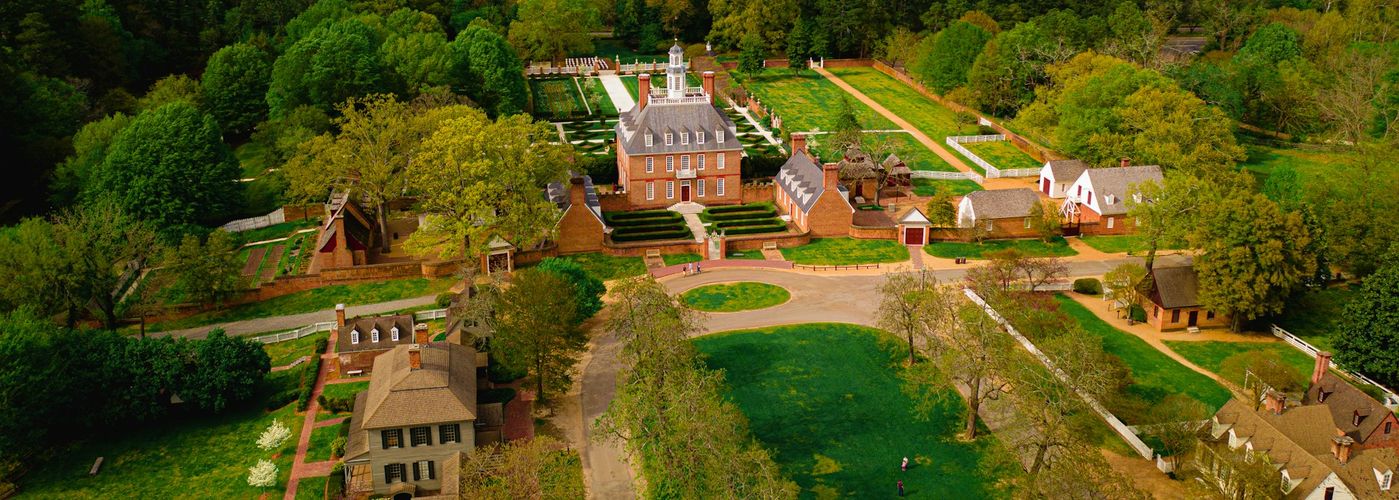
STR Investing in Williamsburg, VA
Williamsburg, Virginia, presents a compelling investment opportunity within the Short-Term Rental (STR) market, characterized by a robust tourism…
Avg. Nightly Rate
$279
Avg. Occupancy
59%
Avg. Property Price
$417,000
Source: AirDNA & public market data, 2025
In This Guide
About the Williamsburg, VA Market
Executive Summary
Williamsburg, Virginia, presents a compelling investment opportunity within the Short-Term Rental (STR) market, characterized by a robust tourism economy, rich historical significance, and a strong academic presence. The investment thesis centers on capitalizing on the consistent demand generated by iconic attractions such as Colonial Williamsburg and Busch Gardens, coupled with the steady influx of visitors associated with the College of William & Mary. This market is unique due to its blend of historical charm and family-friendly entertainment, offering a diverse appeal to a wide range of travelers seeking experiences beyond conventional hotel stays. Key performance metrics, including a healthy average daily rate (ADR) of $$278.61 and an occupancy rate of 59%, underscore the market’s profitability. The annual revenue for STRs in Williamsburg averages $$45,927, demonstrating a resilient and growing market. This market is ideally suited for investors who appreciate stable demand drivers, are willing to navigate nuanced local regulations, and seek properties that can offer unique guest experiences, particularly those with historical character or proximity to major attractions. The blend of cultural immersion and recreational activities ensures a broad appeal, supporting year-round rental potential with distinct seasonal peaks.
Despite the City of Williamsburg’s restrictive STR regulations, which primarily limit operations to owner-occupied, single-room rentals with an annual cap, significant opportunities exist in the surrounding James City County. This distinction is crucial for investors, as James City County offers more flexible policies, including the potential for entire dwelling rentals under certain conditions and Special Use Permits (SUPs). This bifurcated regulatory landscape allows for strategic property acquisition, where investors can target areas with more favorable STR policies to maximize revenue potential. The market’s investability score of 69 and revenue growth of 98% further highlight its attractiveness, indicating strong potential for capital appreciation and rental income growth. The steady economic growth in Virginia, with a 2.6% GDP increase in 2024 and a 3.1% annualized growth over five years, provides a stable macroeconomic backdrop for real estate investments in the region.
Furthermore, the robust infrastructure, including excellent highway connectivity via I-64 and proximity to three international airports, ensures easy accessibility for both drive-to and fly-to visitors. The high walkability score of 85 in Williamsburg enhances the appeal for tourists, particularly those exploring the historical district. The market’s resilience is also supported by a diverse employer base, including education, healthcare, and retail, contributing to a stable local economy and a consistent pool of potential renters. Investors focusing on properties that align with the unique demand drivers—such as historical proximity, university access, or family-friendly amenities—are best positioned to succeed. The market’s ability to attract 6-8 million annual visitors, coupled with ongoing infrastructure improvements, solidifies Williamsburg’s position as a prime location for strategic STR investments, offering both immediate returns and long-term value appreciation.
Market Performance Data
To provide a comprehensive understanding of the Williamsburg STR market, the following table details key performance metrics derived from AirDNA data:
Annual Revenue
$45,927
Average Daily Rate (ADR)
$278.61
Occupancy Rate
59%
Active Listings
5091
Revenue Growth
98%
Market Scores (out of 100)
Analysis of these metrics reveals a robust and dynamic STR market in Williamsburg. The annual revenue of $45,927 and an Average Daily Rate (ADR) of $278.61 are indicative of strong pricing power and consistent guest spending. The occupancy rate of 59% suggests a healthy balance between supply and demand, though it is important to compare this against national averages, which typically hover around 60-70% for well-performing STR markets. While Williamsburg’s occupancy is slightly below the higher end of this range, its strong ADR compensates, leading to attractive overall revenue. The revenue growth of 98% over the past year is particularly impressive, significantly outpacing many national markets and signaling strong upward momentum and increasing demand for STR accommodations in the region.
The RevPAR (Revenue Per Available Rental) story in Williamsburg is compelling, driven by the combination of solid occupancy and a high ADR. Although not explicitly provided as a single metric, the implied RevPAR, calculated from the given data, positions Williamsburg as a market where each available rental unit generates substantial income. This is a critical indicator for investors, as it reflects the efficiency with which properties are utilized and revenue is generated. The ADR trajectory, showing a 3.9% increase over the past year, further reinforces the market’s strength. This consistent growth in daily rates suggests that Williamsburg can command premium pricing, likely due to its unique attractions, high visitor volume, and the quality of accommodations available. Investors can expect continued appreciation in rental income, provided market conditions and demand drivers remain favorable.
The market’s Investability Score of 69 and a Market Score of 56 reflect a generally positive outlook, indicating that Williamsburg is a favorable environment for STR investments. The Rental Demand Score of 50 suggests a moderate but consistent demand, which, when coupled with the strong revenue growth, points to a market with sustainable potential. The Seasonality Score of 46 indicates some seasonal fluctuations, which is typical for tourist-driven markets. Investors should account for these patterns in their pricing and marketing strategies to optimize year-round occupancy and revenue. The Regulation Score of 69 highlights the importance of understanding and navigating the local regulatory landscape, which, as discussed in subsequent sections, varies significantly between the City of Williamsburg and James City County.
Submarket & Neighborhood Analysis
The greater Williamsburg area encompasses distinct submarkets, primarily the City of Williamsburg and James City County, each offering unique characteristics and investment appeal for STRs. Understanding these distinctions is crucial for strategic property selection.
City of Williamsburg
- Character:
- Historic, walkable, academic
- Price Points:
- Higher, premium
- Investor Appeal:
- Proximity to Colonial Williamsburg, College of William & Mary; owner-occupied STRs only
James City County
- Character:
- Suburban, family-friendly, diverse
- Price Points:
- Moderate to high
- Investor Appeal:
- More flexible STR regulations, larger properties, access to theme parks and nature
The City of Williamsburg is the historical heart of the region, characterized by its colonial charm, walkable streets, and the prestigious College of William & Mary. Properties within the city limits often command premium price points due to their proximity to major attractions like Colonial Williamsburg and the university. This submarket is particularly appealing to investors seeking to cater to history enthusiasts, academic visitors, and those desiring a highly walkable experience. However, investors must be acutely aware of the highly restrictive STR regulations within the city, which limit operations to owner-occupied, single-room rentals with an annual cap of 104 nights. This significantly narrows the investment strategy, making it suitable primarily for owner-occupants looking to supplement their income rather than full-time investment properties.
James City County offers a more diverse and often more flexible environment for STR investors. This submarket is generally more suburban and family-friendly, with a mix of residential communities, access to theme parks like Busch Gardens, and natural attractions. Property price points can range from moderate to high, depending on the specific area and property type. The primary investor appeal here lies in the more accommodating regulatory environment compared to the City of Williamsburg. James City County allows for entire dwelling rentals under certain conditions and with Special Use Permits (SUPs), opening up opportunities for a broader range of STR investment strategies, including dedicated investment properties. Investors can target larger homes suitable for families visiting theme parks or properties offering amenities like pools or expansive outdoor spaces. The county’s comprehensive plan also guides STR development, favoring locations on major roads or at the edge of existing subdivisions, providing clear guidelines for potential investors.
Beyond these two primary divisions, specific neighborhoods within both the city and county can offer further nuances. For instance, areas immediately adjacent to Colonial Williamsburg or the College of William & Mary in the city will likely see consistent demand from specific visitor segments. In James City County, neighborhoods with easy access to I-64, Busch Gardens, or the various historical triangle attractions will be highly desirable. Investors should conduct thorough due diligence on specific neighborhood characteristics, local amenities, and micro-market demand drivers to identify the most promising investment opportunities. The varied landscape of the greater Williamsburg area ensures that with careful planning and adherence to local regulations, profitable STR investments can be made across different submarkets.
Tourism & Demand Drivers
Williamsburg, Virginia, thrives as a premier tourist destination, with its robust visitor economy serving as the primary engine for STR demand. The greater Williamsburg area, encompassing the City of Williamsburg, James City County, and York County, recorded substantial tourism expenditures of $1.353 billion in 2024, underscoring the significant economic impact of its visitor volume. The region attracts an estimated 6-8 million annual visitors, a testament to its enduring appeal. This consistent influx of tourists directly translates into a strong and reliable demand for short-term accommodations, making it an attractive market for STR investors.
Major attractions are the cornerstone of Williamsburg’s tourism appeal. Colonial Williamsburg, a living history museum, remains a foundational draw, attracting hundreds of thousands of visitors annually. While specific recent attendance figures for Busch Gardens Williamsburg are not detailed, its reputation as a world-class theme park ensures a steady stream of families and thrill-seekers. The College of William & Mary further amplifies demand, with its growing undergraduate and graduate enrollments bringing a continuous flow of students, faculty, and visiting families. These institutions, combined with a dynamic calendar of events, including seasonal celebrations and high-profile media events, ensure sustained visitor interest throughout the year, mitigating extreme seasonality often seen in purely seasonal markets.
Williamsburg’s strategic location also plays a crucial role in its demand profile. Situated along Interstate 64, the city is easily accessible from major metropolitan areas like Hampton Roads, Richmond, and Washington D.C., making it a strong drive-to market. This accessibility is complemented by proximity to three international airports—Newport News/Williamsburg International Airport (PHF), Norfolk International Airport (ORF), and Richmond International Airport (RIC)—facilitating fly-to demand. The blend of drive-to and fly-to visitors ensures a broad demographic reach and sustained demand. Visitor demographics are diverse, with ongoing research by Visit Williamsburg to understand specific segments, such as the Black Traveler market, further broadening the appeal and potential guest base for STRs.
Seasonality patterns in Williamsburg are influenced by its primary demand drivers. While there are distinct peaks during warmer months, holidays, and university events, the year-round appeal of historical sites and educational institutions helps to stabilize demand. For instance, July is typically the peak revenue month for STRs, while January tends to be the lowest. Investors should leverage dynamic pricing strategies to capitalize on these seasonal fluctuations, maximizing revenue during peak periods and maintaining competitive rates during off-peak times. The continuous flow of visitors, coupled with ongoing infrastructure improvements like the I-64 Gap Widening Project, ensures that Williamsburg remains a vibrant and accessible destination, supporting consistent demand for short-term rentals throughout the year.
Why Invest in Williamsburg, VA?
Real Estate Market Analysis
The real estate market in Williamsburg, Virginia, including James City County, demonstrates a robust and appreciating environment, offering a solid foundation for STR investments. As of April 2026, the average home value in Williamsburg was approximately $466,964, reflecting a 0.5% increase over the past year. Other data points indicate a median sale price of $417,000, marking a significant 44.8% increase year-over-year, showcasing strong appreciation trends. The median listing price further solidifies this upward trajectory, reaching $584,999 in April 2026, up from $549,080 in 2025. This consistent growth underscores a competitive seller’s market, where property values are steadily increasing, benefiting long-term investors.
While the market remains competitive, there has been a slight increase in the median days on market, rising 10% year-over-year. This indicates a minor cooling in the pace of sales but still within a healthy range for a desirable market. Inventory levels, though not explicitly detailed with precise figures, suggest a strong seller’s market for homes priced between $350,000 and $600,000, with approximately 1.87 months of supply. A low months of supply typically indicates high demand relative to available homes, which can drive prices up. The housing stock in Williamsburg is diverse, comprising both single-family and multifamily homes. The City of Williamsburg’s land use categories allow for various housing types, including townhouses and multifamily dwellings, with a base density of 8 dwelling units per net acre. This variety provides investors with flexibility in property selection, from traditional single-family homes suitable for family vacation rentals to potential multi-unit developments, depending on zoning and regulatory compliance.
Cap rate expectations in Williamsburg for STRs are generally attractive, driven by the strong rental income potential and appreciating property values. While specific cap rates are not provided in the input data, the combination of a healthy average daily rate (ADR) of $$278.61 and an occupancy rate of 59% suggests that well-managed STRs can generate significant cash flow relative to property acquisition costs. Investors should conduct detailed pro forma analyses for individual properties, factoring in purchase price, operating expenses, and projected rental income to determine precise cap rates. The availability of various property types, from historic homes in the city to modern suburban residences in James City County, allows investors to tailor their strategy to specific market segments and investment goals. The overall real estate market’s stability and growth trajectory make Williamsburg a compelling location for those seeking both rental income and capital appreciation.
Investment Strategy & Property Selection
Developing a clear investment strategy and making informed property selections are critical for success in the Williamsburg STR market. Given the diverse submarkets and regulatory nuances, a tailored approach is essential. When considering property types, single-family homes and condos/townhouses tend to perform best, particularly those offering multiple bedrooms to accommodate families and groups visiting attractions like Busch Gardens or Colonial Williamsburg. While the input data does not explicitly detail performance by property type, the general demand for family-friendly accommodations in tourist-driven markets suggests that properties with 2-4 bedrooms are often optimal. These configurations strike a balance between accommodating larger groups and maintaining manageable operational costs. Properties with historical charm or unique architectural features, especially in or near the City of Williamsburg, can command premium rates and attract discerning guests seeking an authentic experience.
Must-have amenities play a significant role in attracting guests and maximizing occupancy and ADR. For the Williamsburg market, amenities that enhance the guest experience and cater to both historical tourists and families are highly desirable. These include: fully equipped kitchens for self-catering, high-speed Wi-Fi for connectivity, comfortable living spaces for relaxation, and outdoor areas such as patios, decks, or yards. For properties targeting families, access to a pool, game rooms, or proximity to parks and playgrounds can be strong differentiators. In historical areas, properties that offer a blend of modern comforts with period-appropriate decor can create a unique selling proposition. Given the drive-to nature of much of Williamsburg’s tourism, ample parking is also a crucial consideration, especially for properties in denser areas.
Pricing strategy in Williamsburg should be dynamic and responsive to seasonal demand fluctuations and local events. As July is typically the peak revenue month and January the lowest, investors should implement seasonal pricing models, increasing rates during peak tourist seasons (summer, holidays, university events) and adjusting downwards during off-peak periods to maintain competitive occupancy. Utilizing revenue management software can help optimize pricing based on real-time market data, competitor rates, and booking trends. Offering discounts for longer stays during shoulder seasons can also help fill gaps in the booking calendar. Effective marketing, highlighting the property’s unique features and proximity to attractions, is also key to attracting the target demographic.
Management considerations are vital for the profitability and sustainability of an STR investment. Investors have the option of self-managing their properties or engaging a professional property management company. Self-management offers greater control and potentially higher net income but requires significant time and effort for guest communication, cleaning, maintenance, and marketing. Given the complexities of local regulations, particularly in the City of Williamsburg, professional management can be invaluable for ensuring compliance and navigating permitting processes. A reputable local property manager will have expertise in the Williamsburg market, established vendor relationships, and robust marketing channels, allowing investors to benefit from a hands-off approach. Regardless of the chosen management model, clear communication, efficient operational processes, and a focus on guest satisfaction are paramount for achieving high ratings and repeat bookings.
Financing Considerations
Securing appropriate financing is a critical step for any STR investment in Williamsburg, Virginia. Investors often explore various loan products, with DSCR (Debt Service Coverage Ratio) loans being a popular option for investment properties. DSCR loans are particularly attractive for STRs because they primarily qualify borrowers based on the property’s projected rental income rather than the borrower’s personal income. This means that if the property’s expected cash flow (after operating expenses) can sufficiently cover the mortgage payments, an investor may qualify, even with a complex personal financial profile. Lenders typically look for a DSCR of 1.20x or higher, indicating that the property generates 20% more income than needed to cover its debt obligations. This focus on property performance aligns well with the income-generating nature of STRs, making them a viable financing solution for many investors in the Williamsburg market.
Typical Loan-to-Value (LTV) ratios for STR investment properties often range from 70% to 80%, meaning lenders will finance 70-80% of the property’s appraised value, requiring the investor to provide a 20-30% down payment. These ratios can vary based on the lender, the investor’s creditworthiness, and the specific property’s risk profile. It is crucial for investors to have sufficient capital for the down payment, closing costs, and a reserve fund for unexpected expenses or vacancies. Property tax implications for STRs versus traditional residential properties can also differ. While the input data does not specify a differential tax rate, some localities may assess STRs at a higher commercial rate or impose additional fees due to their business nature. Investors should verify the exact property tax assessment methods with James City County and the City of Williamsburg tax authorities to accurately project carrying costs. These taxes, along with potential lodging and sales taxes on rental income, must be factored into the overall financial model to ensure profitability.
Insurance considerations are another vital aspect of financing and protecting an STR investment. Standard homeowner’s insurance policies typically do not cover commercial activities like short-term rentals. Therefore, investors must secure specialized STR insurance or a commercial general liability policy that specifically covers rental operations, guest liability, and potential property damage. This type of insurance is designed to protect against risks unique to STRs, such as damage caused by guests, loss of income due to unforeseen circumstances, and liability claims. Lenders will often require proof of adequate insurance coverage as a condition for loan approval. Given the region’s vulnerability to natural disasters like hurricanes and flooding, investors should also consider additional coverage such as flood insurance and windstorm insurance to protect their assets fully. Understanding and budgeting for these specialized insurance costs is essential for a comprehensive financial plan.
Risk Assessment
Investing in Short-Term Rentals (STRs) in Williamsburg, Virginia, while promising, is not without its inherent risks. A thorough risk assessment is crucial for developing effective mitigation strategies. Natural disaster risks pose a significant threat to the region. Williamsburg is vulnerable to hurricanes, flooding, and occasional winter storms. Historical data indicates Virginia has experienced 23 tropical cyclone events and 5 flooding events. Climate Central’s Risk Finder highlights that a portion of home value in Williamsburg is at risk of yearly coastal flooding by 2050, and the First Street Foundation reports that 32% of homes face hurricane risk, with average maximum wind speeds increasing over the past 30 years. Mitigation strategies include securing comprehensive flood and hurricane insurance, elevating properties in flood-prone areas, and implementing robust property maintenance to withstand severe weather. Investors must factor these potential costs and protective measures into their financial projections.
Regulatory risk is another critical consideration, particularly given the bifurcated regulatory environment. The City of Williamsburg maintains highly restrictive STR regulations, limiting operations to owner-occupied, single-room rentals with a 104-night annual cap. This significantly restricts investment potential within city limits for dedicated STR properties. James City County, while more flexible, still requires Special Use Permits (SUPs) and adherence to its Comprehensive Plan, which includes specific location and owner-residency criteria. The regulatory trajectory suggests a potential for increased scrutiny or stricter enforcement as the market evolves. Mitigation involves thorough due diligence on local ordinances before purchase, focusing on properties in James City County with favorable zoning, and staying informed about legislative changes. Engaging with local planning departments and potentially legal counsel can help navigate these complexities.
Supply saturation risk is a potential concern, with over 5,000 active STR listings in the broader Williamsburg market. While demand is robust due to tourism, a high number of listings could lead to increased competition, potentially pressuring occupancy rates and Average Daily Rates (ADRs) if not carefully managed. This risk is amplified in the City of Williamsburg due to its restrictive regulations, which can concentrate competition among the few compliant listings. Mitigation strategies include differentiating properties through unique amenities, superior guest experiences, and targeted marketing. Focusing on niche markets (e.g., historical enthusiasts, academic visitors, large families) and offering exceptional value can help maintain strong occupancy and pricing power. Continuous monitoring of market trends and competitor activity is also essential.
Finally, economic concentration risk stems from Williamsburg’s economy being heavily reliant on tourism and education. While these are stable drivers, external shocks—such as economic downturns, changes in travel patterns, or public health crises—could significantly impact visitor volume and, consequently, STR demand. The College of William & Mary’s presence provides some stability, but a diversified economic base would offer greater resilience. Mitigation strategies include maintaining a strong financial reserve to weather potential downturns, diversifying investment across different property types or submarkets if possible, and ensuring properties appeal to a broad range of visitors rather than a single demographic. Understanding these risks and proactively implementing mitigation strategies is vital for long-term investment success in the Williamsburg STR market.
Conclusion & Investment Verdict
Williamsburg, Virginia, presents a compelling and nuanced opportunity for Short-Term Rental (STR) investors in 2025. The market’s fundamental strengths lie in its robust tourism economy, anchored by world-renowned historical sites like Colonial Williamsburg, family-friendly attractions such as Busch Gardens, and the consistent academic presence of the College of William & Mary. These powerful demand drivers ensure a steady influx of an estimated 6-8 million annual visitors, translating into healthy occupancy rates and strong Average Daily Rates (ADRs). The impressive 98% revenue growth over the past year, coupled with a solid Investability Score of 69, underscores the market’s profitability and potential for capital appreciation. While the real estate market shows consistent growth, with median home values appreciating, investors must be prepared for a competitive environment and strategic property selection.
However, successful investment in Williamsburg’s STR market necessitates a thorough understanding and navigation of its bifurcated regulatory landscape. The highly restrictive ordinances within the City of Williamsburg, limiting operations to owner-occupied, single-room rentals with an annual cap, contrast sharply with the more flexible, albeit permitting-intensive, environment of James City County. This distinction is not merely a regulatory hurdle but a strategic differentiator, guiding investors towards opportunities for full-home STR operations in the county. Beyond regulations, investors must also account for potential risks, including natural disasters (hurricanes, flooding), supply saturation from over 5,000 active listings, and economic concentration in tourism. Proactive mitigation through comprehensive insurance, meticulous due diligence, property differentiation, and maintaining financial reserves is essential for long-term success.
Investment Verdict: Williamsburg, VA, offers a Strong Buy recommendation for strategic STR investors who are prepared to engage in meticulous due diligence and adapt their investment strategy to the local regulatory environment. The market is particularly attractive for those targeting properties in James City County that can operate as full-home STRs, catering to families and groups seeking multi-bedroom accommodations near major attractions. Investors focusing on properties with unique amenities, historical charm, or proximity to the College of William & Mary are best positioned to capitalize on the consistent demand. While regulatory complexities and natural disaster risks require careful management, the market’s robust tourism economy, appreciating real estate values, and strong revenue growth potential make it a highly attractive destination for discerning STR investors seeking both cash flow and long-term asset appreciation.
STR Regulations in Williamsburg, VA
Regulatory Environment & Compliance
Navigating the regulatory landscape is paramount for any STR investor in Williamsburg, Virginia, as local ordinances significantly impact operational feasibility. Virginia delegates most STR regulatory authority to local governments, resulting in distinct rules for the City of Williamsburg and James City County. In the City of Williamsburg, STRs (rentals under 30 days) are highly restricted. Operators must obtain a special exception approval from the Board of Zoning Appeals (BZA), a process that typically involves a filing fee of approximately $300. Crucially, STRs are primarily limited to owner-occupied, single-family detached dwellings, where the owner must be physically present during any rental period. Only one room within the principal dwelling can be rented, with an occupancy limit of two transient visitors per room (excluding minor children). Furthermore, a strict annual cap of 104 rental nights is enforced, and the same transient visitor cannot occupy the property for more than 30 days within a calendar year. Prohibited activities include visible exterior evidence of rental operations and event rentals. Investors must also maintain a register of short-term rentals for two years, subject to inspection, and secure a minimum of $500,000 in general liability insurance, along with an updated Certificate of Occupancy.
James City County offers a more flexible, albeit still regulated, environment for STRs. The county distinguishes between "Rental of Rooms" (owner-occupied, renting specific rooms) and "Tourist Home" (rental of an entire dwelling). The permissibility of these depends on the property’s zoning district; some allow them outright, while others require a Special Use Permit (SUP). The SUP application process involves review by the Planning Commission and a final decision by the Board of Supervisors. The County’s 2045 Comprehensive Plan guides SUP approvals, generally recommending STRs on specific land designations, ideally on major roads or at the edge of existing subdivisions, with an owner-residency requirement during rentals. All STR operators in James City County must obtain a business license from the Commissioner of the Revenue and an updated Certificate of Occupancy. This distinction between the city and county regulations creates a critical investment angle: while the city is highly restrictive, James City County provides avenues for full-home STR operations, albeit with permitting requirements.
Tax obligations are another vital component of compliance. STR operators in both the City of Williamsburg and James City County are subject to various taxes. These typically include lodging taxes (often a percentage of the rental income, levied by local governments), state sales tax (on the rental transaction), and standard property taxes. Property tax implications for STRs versus traditional residential properties can vary; some jurisdictions may assess STRs at a higher commercial rate or impose additional fees due to their business nature. Investors must consult with local tax authorities and a qualified accountant to understand the full scope of their tax liabilities. Additionally, Homeowners Association (HOA) and condominium considerations are critical. Many HOAs in the Williamsburg area have bylaws that prohibit or severely restrict short-term rentals, even if local government laws permit them. Investors must thoroughly review the Covenants, Conditions, and Restrictions (CC&Rs) of any prospective property within an HOA or condominium regime, as these can supersede local ordinances. Special assessments by HOAs, which can range from thousands to tens of thousands of dollars for unexpected repairs, also pose a financial risk that must be factored into investment calculations.
The regulatory trajectory in the Williamsburg area suggests a trend towards increased scrutiny and formalization, particularly in James City County, as the popularity of STRs grows. While the City of Williamsburg’s regulations are already quite stringent, James City County’s emphasis on SUPs and adherence to its Comprehensive Plan indicates a desire to manage STR growth responsibly. Investors should anticipate that regulations may become stricter over time, potentially involving more rigorous enforcement, additional permitting requirements, or changes to zoning. Therefore, a proactive approach to compliance, including staying informed about local legislative changes and maintaining open communication with local authorities, is essential. Investing in properties that are already compliant or are in zones more amenable to STRs under current regulations can mitigate future regulatory risks.
Financing Options for Williamsburg, VA
DSCR Loans
Qualify based on rental income, not personal income. The go-to loan for short-term rental investors who want to scale their portfolio without W-2 limitations.
- No personal income verification
- Based on property cash flow (DSCR ratio)
- Close in as few as 21 days
2nd Home Conventional
Finance vacation homes you also rent part-time. Ideal for owners who use their STR property personally and want flexible terms.
- As little as 10% down
- Personal use + rental income
- Fixed and adjustable options
Related Resources
DSCR Loans 101: The Complete Guide for STR Investors
Everything you need to know about DSCR loans for short-term rental properties. How they work, who qualifies, and why they are the go-to financing option for Airbnb and VRBO investors.
The Complete Guide to Financing Short-Term Rental Properties
A comprehensive guide to financing your short-term rental investment. Compare DSCR loans, conventional mortgages, and other options to find the right fit for your STR strategy.
Ready to Invest in Williamsburg, VA?
Get pre-approved for STR financing and start building your portfolio.